

Surface finishes that seal the deal
Preventing leaks in hydraulic systems requires a good seal and a good sealing surface.
Hydraulic cylinders and similar fluid power devices are integral to our lives. We find them on bulldozers, aircraft, automobiles and lawnmowers. Regardless of the application, performance and reliability of the fluid power system is dependent on effective seals.
Experts will tell you that preventing leaks in dynamic hydraulic systems not only requires a good seal it also requires a good sealing surface. For this reason, the surface finish of components that mate with hydraulic seals must have proper surface finish.
Sealing surfaces must have finishes that are fine enough to prevent high pressure oil from passing between the seal and surface of the sealed component but also rough enough to allow proper lubrication. If the surface is too rough or the lay of (directional orientation) the tool marks is incorrect, fluids can pass between seal and component. Conversely, should the surface be too fine, then there is no way to retain lubrication and the seal will be abraded leading to failure.
Static and dynamic sealing surfaces typically have surface finish requirements between 8 μin and 12 μin. Common machining operations like reaming, turning and boring cannot reliably achieve these finish requirements. Therefore, abrasive operations like honing and grinding are the most common machining processes used to finish sealing surfaces.
Many applications like hydraulic cylinder rods are also hardened and have coatings like hard chrome applied to enhance wear resistance. These factors also preclude the use of non-abrasive machining.
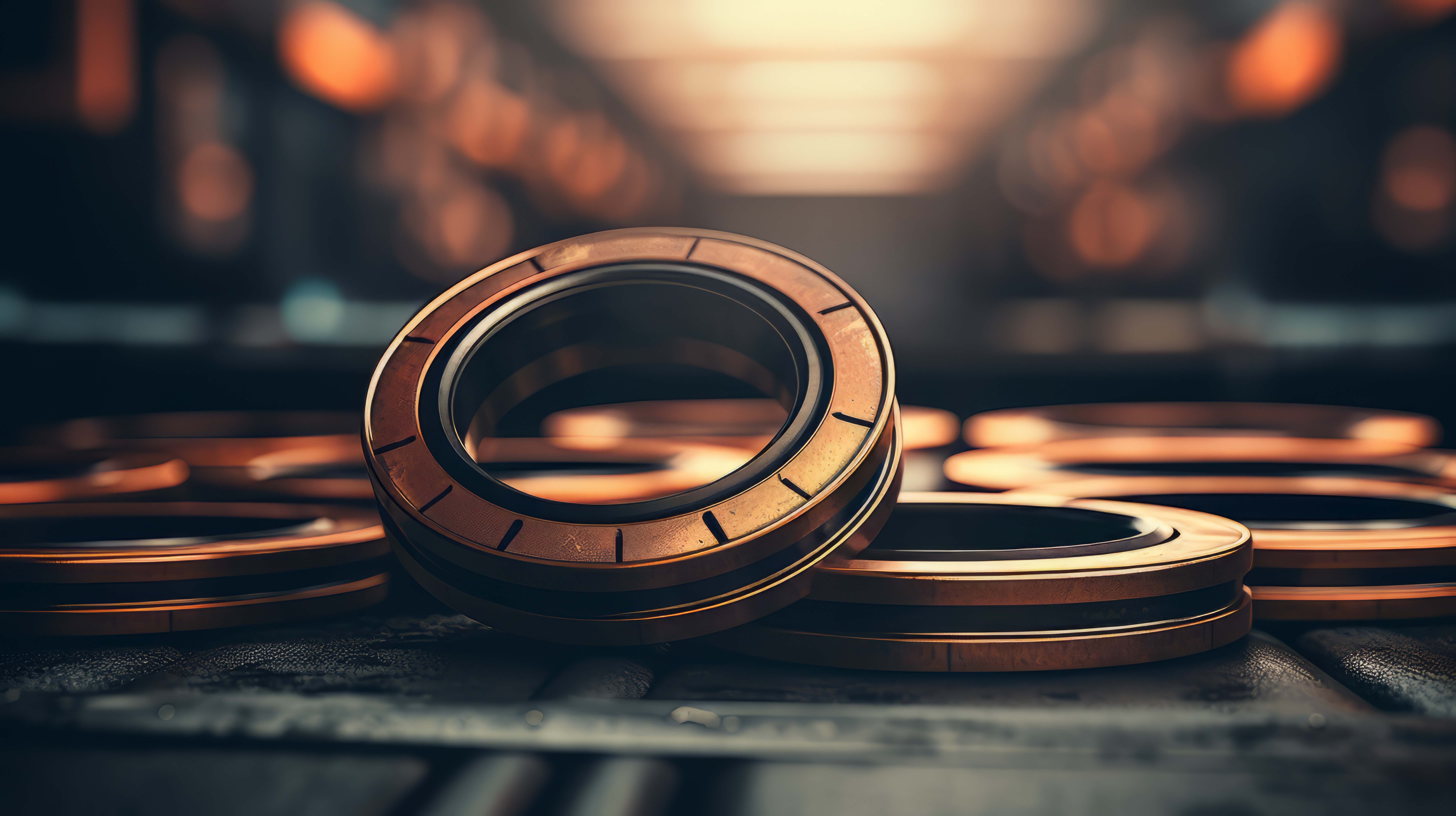
The most common finishing process for sealing surfaces is grinding.
The most common finishing process for sealing surfaces is grinding. Component geometry, production volumes and component size are going to dictate the process that is used. Surface finish requirements and material properties will dictate the size, shape and type of abrasive wheel that is selected.
In repair shops, tool rooms or specialty applications when volumes are low a shop most often relies on processes like cylindrical grinding and possibly tool post grinding on a lathe to finish components.
In high volume shops centerless grinding might be the first choice for parts like rods for hydraulic cylinders. Centerless grinding allows the part to flow through the machine from end to end. This through feed process is unique to centerless grinding and is exceptionally fast. Centerless grinding also produces very round parts and very fine finishes.
Review the print ads from this magazine to continue
This quick advertiser review unlocks the rest of the article and keeps the full-screen reader focused on the ads instead of the page chrome.
Advertisers included in this article experience
Print placements connected to this article
Greenleafcorporation
‘Most cases, 70 bar is your best pressure all around.’
diameter drills for Swiss-style ma- occasions where I proved that 1,000 ing fluids specialist (CMFS) for Bla- chining. Not only are higher pres- psi rules in most cases.” ser Swisslube Inc. The Goshen, sure systems more expensive than The use of neat oil when deep- New York-based company’s metal- one that provides 70 bar of pres- hole drilling presents a slightly dif- working fluids include a host of wa-.
‘Most cases, 70 bar is your best pressure all around.’ diameter drills for Swiss-style ma- occasions where I proved that 1,000 ing fluids specialist (CMFS) for Bla- chining. Not only are higher pres- psi rules in most cases.” ser Swisslube Inc. The Goshen, sure systems more expensive than The use of neat oil when deep- New York-based company’s metal- one that provides 70 bar of pres- hole drilling presents a slightly dif- working fluids include a host of wa- sure, but they can be more danger- ferent scenario. ter-miscible coolants and neat oils, ous to operate. While 1,000 psi is ideal and typi- as well as fully synthetic coolants. Schneider noted that one Tier 1 cal for water-miscible coolant, pres- For example, Blaser offers neat oils manufacturer requested a 3,000- sures up to 138 bar (2,000 psi) are with fast air release to reportedly psi system, but ATS performed a commonly used for
Visit Greenleafcorporation View this placement in the issue recordPrint ads from this magazine
diameter drills for Swiss-style ma- occasions where I proved that 1,000 ing fluids specialist (CMFS) for Bla- chining. Not only are higher pres- psi rules in most cases.” ser Swisslube Inc. The Goshen, sure systems more expensive than The use of neat oil when deep- New York-based company’s metal- one that provides 70 bar of pres- hole drilling presents a slightly dif- working fluids include a host of wa-.
‘Most cases, 70 bar is your best pressure all around.’ diameter drills for Swiss-style ma- occasions where I proved that 1,000 ing fluids specialist (CMFS) for Bla- chining. Not only are higher pres- psi rules in most cases.” ser Swisslube Inc. The Goshen, sure systems more expensive than The use of neat oil when deep- New York-based company’s metal- one that provides 70 bar of pres- hole drilling presents a slightly dif- working fluids include a host of wa- sure, but they can be more danger- ferent scenario. ter-miscible coolants and neat oils, ous to operate. While 1,000 psi is ideal and typi- as well as fully synthetic coolants. Schneider noted that one Tier 1 cal for water-miscible coolant, pres- For example, Blaser offers neat oils manufacturer requested a 3,000- sures up to 138 bar (2,000 psi) are with fast air release to reportedly psi system, but ATS performed a commonly used for
Continue reading
February 2024
Other forms of abrasive finishes are often used when the application is critical, and the manufacturer wants some insurance in the manufacturing process. Automotive manufacturers that produce power steering gears will often use super finishing after centerless grinding to improve the finish and breakup the tool marks left from grinding. Super finishing forces solid abrasive stones held in oscillating heads against a part that is rotating. The abrasive action helps eliminate the leak paths that might have been left from grinding and it also removes any blemishes that might have been created during the operations after grinding.
Finishing internal sealing surfaces is more challenging than finishing outside surfaces. Internal grinding is one option and works much the same way OD grinding works. Like OD grinding it is usually reserved for low-volume work. There are reports of people using centerless ID grinding, but, much like Sasquatch, it is talked about yet only few have seen it.
Honing is the predominant finishing process for ID surfaces. Honing not only provides excellent roundness and the optimal surface finish for a sealing surface, it is also exceptionally cost effective in low-volume and high-volume environments. Honing and superfinishing are very similar processes both use abrasive stones to remove small amounts of material to finish the sealing surface. Honing, unlike superfinishing, is done with rotating stones while the part is held stationary.
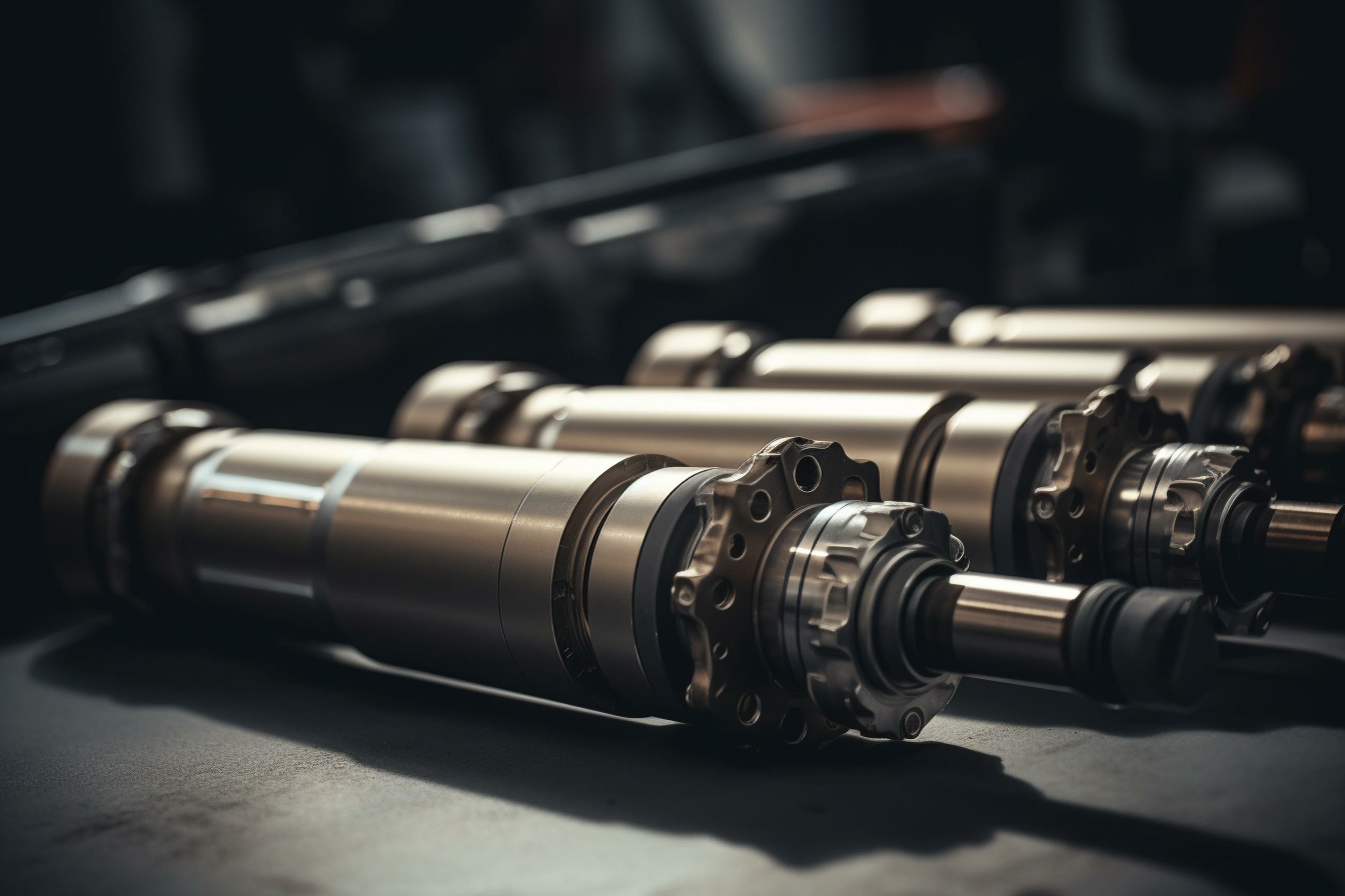
In high volume shops centerless grinding might be the first choice for parts like rods for hydraulic cylinders.
Honing is also applicable in all volume scenarios. There are inexpensive manual honing machines available for low-volume applications and there are automated and sophisticated honing machines for high-volume manufacturers. There are variations in machine size and part orientation depending on the application. However, there is little difference in the honing tools and the process. In all cases the parts are held stationary, and the rotating stones are stroked axially to achieve the fine finishes required for sealing.
This article, up to this point, has focused on common dynamic sealing surfaces where the designer must balance the need for a fine finish to prevent leak paths and the need for the surface to carry some fluid to prevent abrading the seal. In other situations, the components must be sealed without the use of gaskets and similar components.
Hydraulic pumps and motors for aerospace applications are a good example. Aerospace hydraulic pumps are high-pressure, high-volume units that operate in very harsh conditions. Engineers design them to seal without the use of gaskets, o-rings and similar sealing materials to reduce risk of failure. Creating these mechanical seals requires surface finishes that are mirror like. Flatness requirements of the surface can be 0.000040″ or better. When the surfaces are assembled, fluids cannot physically travel between the faces of the components.
Lapping is the only process available to produce surfaces to these requirements. Lapping is done in several ways depending on the part shape, but the basic process is the same. Parts are rotated on or against a relatively soft surface like cast iron while an abrasive slurry is applied. The abrasive materials are extremely fine and the cutting action is slow, and that delivers the mirror finishes that are required.
All sealing surfaces require fine surface finishes and accurate geometries, which is why abrasive processes dominate the finish machining of seal surfaces. Unlike other manufacturing processes, abrasive finishing processes used to create sealing surfaces are common regardless of scale or industry.
Glossary terms in this article
Related


 MFGAxis Discussion
Be part of the shop-floor conversation
Like, save, or comment on this CTE story.
MFGAxis Discussion
Be part of the shop-floor conversation
Like, save, or comment on this CTE story.


MFGAxis Discussion