

Prototyping critical in manufacturing: Safety, Standards & Compliance
The effective use of prototypes can lead the way to continuous improvement.
Robust continuous improvement activity is the only way manufacturers will survive. They must have an appetite for change if they are to develop and sustain such a program.
Changing manufacturing and business processes can present significant risk. Change too slowly and the market may leave you behind; change too quickly and risk creating catastrophic mistakes. It’s a delicate balance.
Prototyping is a critical element of effective change management inside a manufacturing organization.
Talk to toolmakers, machinists or engineers about prototyping and they will most likely think about making one-off parts in a lab-type environment. Building and testing prototypes allow a company to validate everything from functionality and durability to marketability. Prototyping is essential to new product design and validation, but it also plays an important role when implementing process changes to support continuous improvement.
Teamwork in Action
At Mitsubishi Hitachi Power Systems Americas Inc., we regularly conduct weeklong continuous improvement projects in which a team works to improve a manufacturing facility or manufacturing or business process. Many times, to generate fresh ideas, we create a team of people who are unfamiliar with a department. We get so many innovative ideas from these teams, it can be difficult to determine the best direction. Prototyping is an excellent way to test new improvement ideas in the shop.
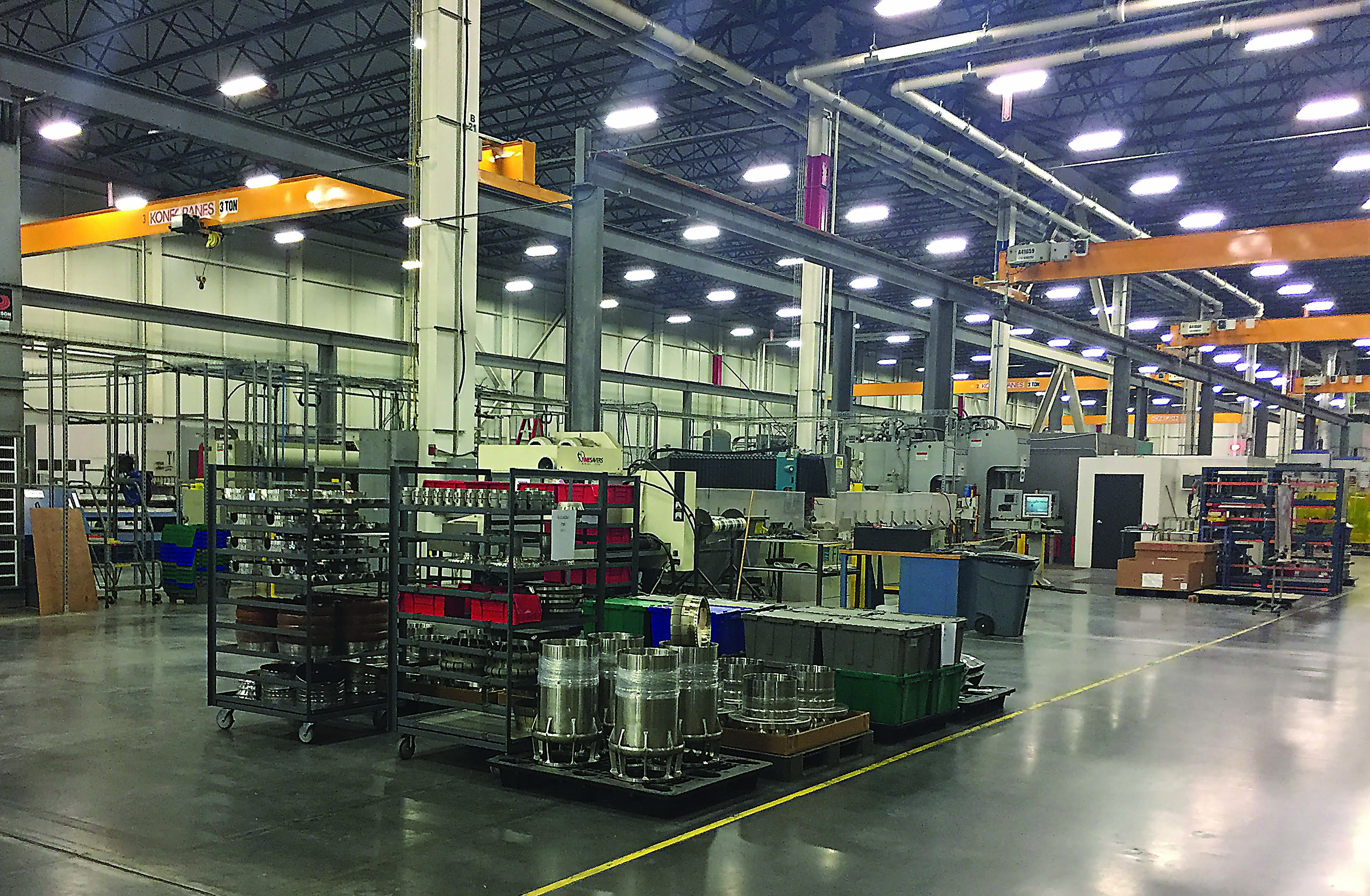
Parts wait for distribution to various manufacturing cells at Mitsubishi Hitachi Power Systems Americas’ combustion shop. The prototyped carts, floor location and MRP system are set up before deciding the arrangement. All images: C. Tate
For example, our combustion hardware is heavy. Loading it into welding fixtures requires the use of cranes. Eliminating crane moves is one of the initiatives we have in the combustion shop. Crane moves have become part of our culture; success will require developing a solution that is extremely robust.
One team came up with the idea of moving parts around with carts. After creating and reviewing some basic designs, we selected the best and built a prototype. It was built from erector set-type materials purchased out of a catalog. The materials were inexpensive and could be assembled with wrenches and screwdrivers, so making iterations was easy and fast. This process allowed us to quickly and cost-effectively move from idea to test so we could vet each iteration.
Change of Scenery
Review the print ads from this magazine to continue
This quick advertiser review unlocks the rest of the article and keeps the full-screen reader focused on the ads instead of the page chrome.
Advertisers included in this article experience
Print placements connected to this article
Gfii
www.gfii.com Booth #431491 Phone 800.348.2885
www.gfii.com Booth #431491 Phone 800.348.2885
www.gfii.com Booth #431491 Phone 800.348.2885
Visit Gfii View this placement in the issue recordPrint ads from this magazine
www.gfii.com Booth #431491 Phone 800.348.2885
www.gfii.com Booth #431491 Phone 800.348.2885
Continue reading
August 2018
Power generation manufacturers are in a state of flux. We are adapting to changes by bringing in new work, which will require us to rearrange the shop floor and move large pieces of equipment to locations that enhance product flow. Moving equipment can be dangerous and is always expensive.
Ensuring we have the best layout is critical. Therefore, we not only used CAD software to lay out the floor but fabricated full-size footprints of each machine from cardboard. Each footprint was placed on the floor to replicate the exact layout. This activity allowed us to walk around the new arrangement and verify we had a well-organized layout. We checked that the exits and electrical panels were not blocked or any other regulatory requirements were violated. The cardboard cutouts also made it easy for the millwrights to locate equipment quickly and accurately.
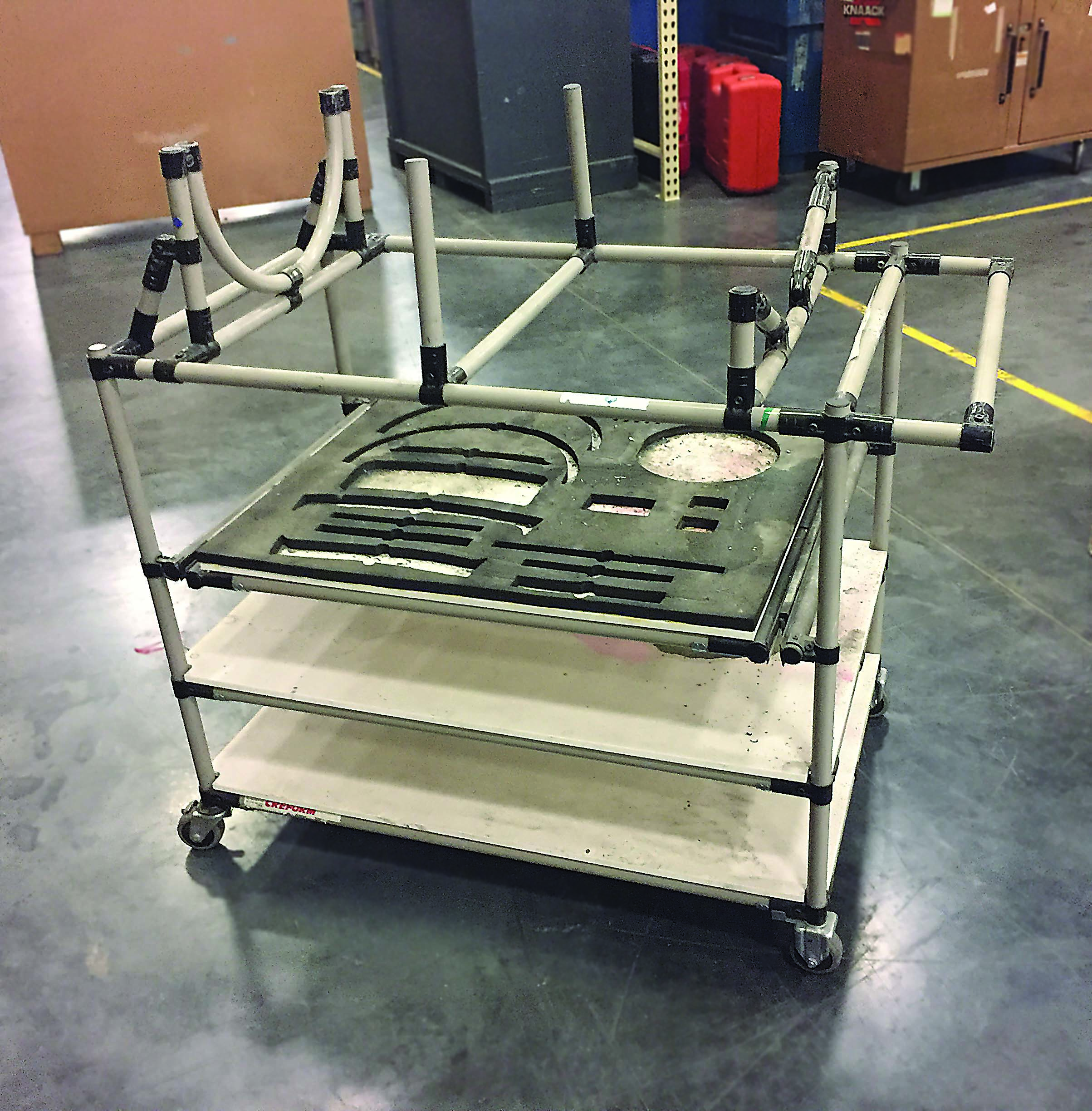
These prototype transportation carts were made from inexpensive materials that were easy to modify.
Prototyping does not always produce a new device or gadget. Successful development and improvement of a manufacturing process are preceded by prototyping activities. Our parts can cost hundreds of thousands of dollars—even before machining. Making one small mistake can scrap a large part, so changing a machining process in our shop is done with great care.
Before we change a machining process, the engineering team discusses the need for change. Next, the team makes a qualification plan that documents expected outcomes. Once the plan is completed, we test the process and measure the results against the plan, effectively prototyping the new process. If results are favorable, we move forward with the changes.
Getting Down to Business
Continuous improvement is not only for manufacturing processes. It also has a place in business processes. Reducing lead time and inventory is a goal of every company. To reduce time spent waiting on parts to be released from the warehouse, we planned to have parts kits made up ahead of the assembly process. Kits would be built in the warehouse and distributed to the shop floor as needed.
A prototype cart for the parts was made. Next, we created a prototype method for dealing with the material requirements planning system, which was not set up to allow the building of kits. Then we tested.
We made discoveries that required us to return to the drawing board a few times. In the end, we successfully created kits and learned a lot about both our business and culture from the prototyping work.
Prototyping is not only about designing and building products. It is a valuable tool when making changes to the manufacturing facility or machining processes. Performed effectively, the process reduces the risks and can uncover hidden costs associated with changes in the manufacturing environment.
Related




Subscribers can use MFGAxis notes, saves and discussion tools with their innoNET account.


