



Collision detection minimizes damage to machine tool, workpiece
Last year, Sandvik Coromant Co. introduced its CoroPlus Collision Detector, which is designed to effectively use data to minimize damage to both a machine tool and a workpiece in the event of a crash.
Last year, Sandvik Coromant Co. introduced its CoroPlus Collision Detector, which is designed to effectively use data to minimize damage to both a machine tool and a workpiece in the event of a crash. The system is connected to the machine tool’s PLC and can detect and react to a collision within 5 milliseconds, according to the company. It shuts down the spindle and axes drivers, reducing downtime and workpiece costs while reportedly maintaining consistent part quality.
The detector can be used in a variety of operations, including turning, milling and drilling, and on new or used equipment. It represents the latest development in monitoring individual machines.
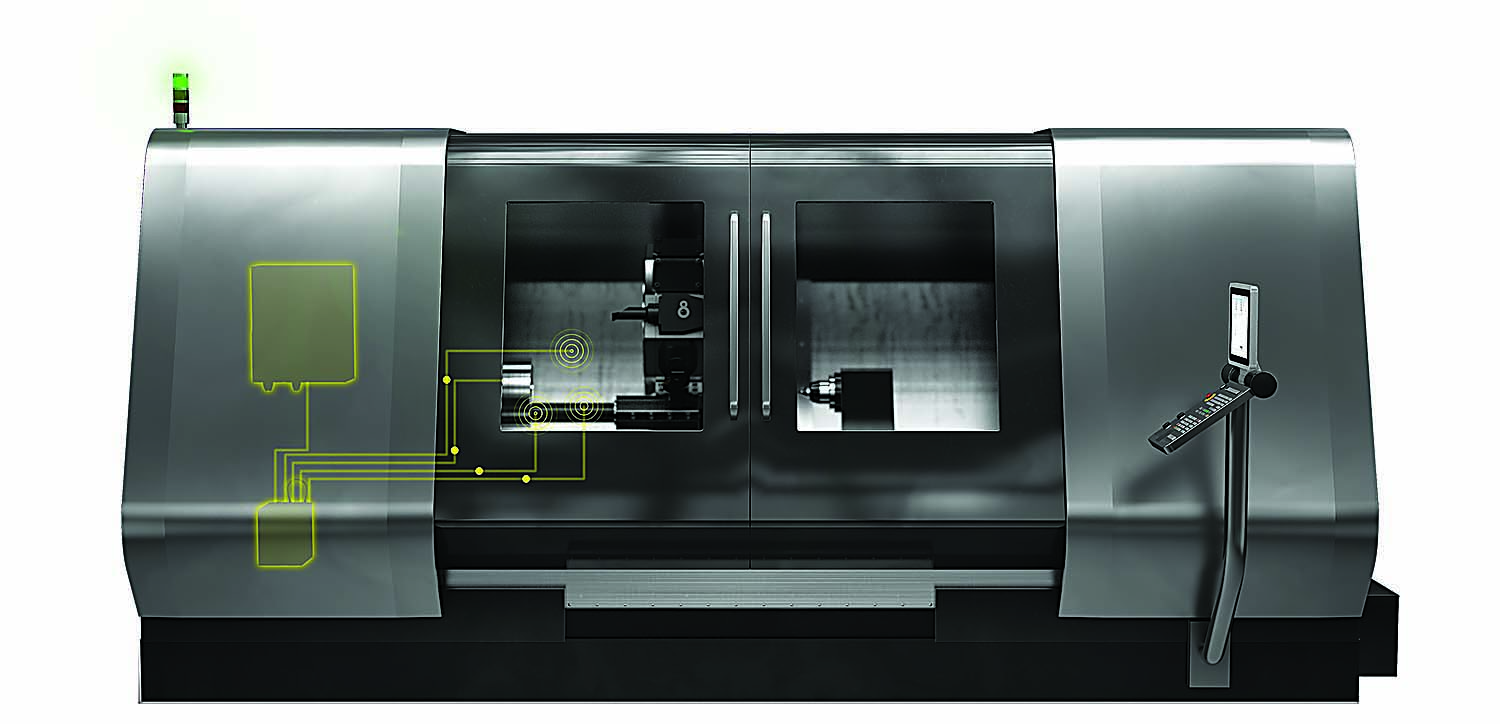
CoroPlus Collision Detector collects and uses data to minimize damage to both a machine tool and a workpiece in the event of a crash. Image courtesy of Sandvik Coromant.
Sandvik Coromant now is looking to move to the next level. According to Adir Zonta, product manager of process monitoring and machining analytics, the next stage is to connect machines so they can be monitored by parties other than just their operators. Updates to software and algorithms could then be delivered via the cloud or a company network.
Benefits of this connectivity “include reducing unplanned downtime caused by unexpected collisions, minimizing tooling and repair costs by monitoring tool overload or tool breakage, and cutting idle machine time caused by missing tools,” Zonta said.
One obstacle to reaching the next levels of productivity, security and quality is the lack of standardization among various technologies, including different devices, the cloud and numerous kinds of software. Improved connectivity will require greater standardization.
Sandvik Coromant’s long-term goals are ambitious. The company believes that in time its machine learning process could increase metal-removal efficiency from the 80 percent level available with conventional machines to as much as 95 percent. “Machine process monitoring can be the catalyst for significant change in the manufacturing industry,” Zonta concluded.
For more information about Fair Lawn, N.J.-based Sandvik Coromant Co.’s CoroPlus Collision Detector, visit www.sandvik.coromant.com/us or call (800) SANDVIK.
Related



Subscribers can use MFGAxis notes, saves and discussion tools with their innoNET account.


