

Car trouble: CMM Inspection
Machining operations are fundamentally the same across all industries. However, machine shops and the way they operate can be vastly different. For example, aerospace shops generally are considered clean, sterile and deliberate whereas small job shops often have a Wild West feel in which anything goes.
Machining operations are fundamentally the same across all industries. However, machine shops and the way they operate can be vastly different. For example, aerospace shops generally are considered clean, sterile and deliberate whereas small job shops often have a Wild West feel in which anything goes. Shops obviously differ because of the work they do. I have had the opportunity to work at different shops and have found automotive machining to be the most challenging.
In every industry, machining comes with challenges that alone are not unique but, when combined, create unique situations that can be very difficult. It is the combination of common machining challenges that makes machining in the automotive industry the most difficult.
Part cost is important to all manufacturers, and cycle time influences part cost more than any other variable. In the power generation industry, we machined large forgings and chased hours for cost savings. At the aerospace shop, we machined castings and forgings and chased minutes. At the automotive shop, we machined bar stock, castings, forgings and pretty much anything else that you can imagine, and we chased seconds. In fact, a significant saving of time in the automotive industry was frequently one or two seconds, and saving those was never an easy achievement.
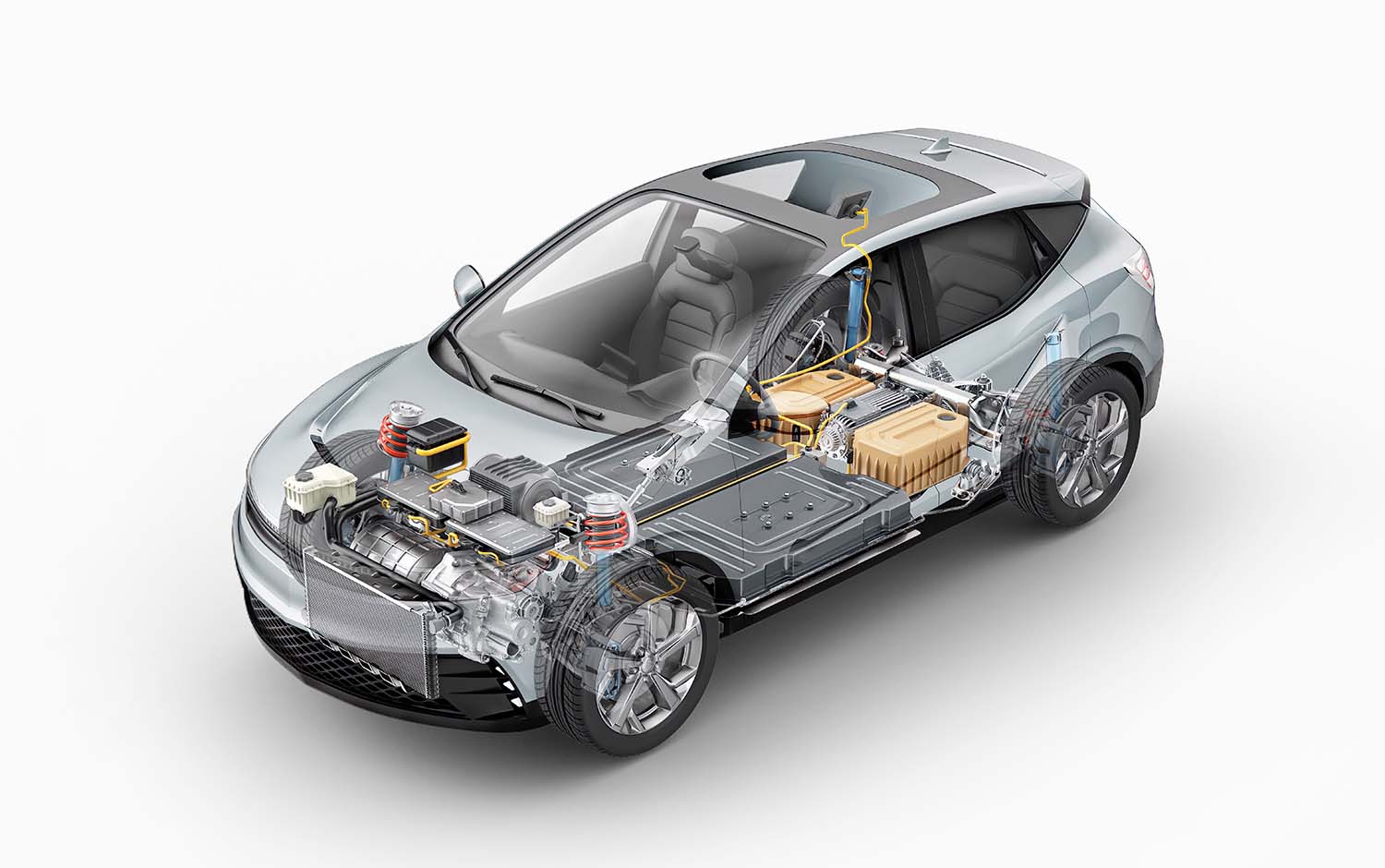
I have had the opportunity to work at different shops and have found automotive machining to be the most challenging.
Seconds are hard to come by because machining operations in automotive manufacturing are highly developed. Much of the machining process has been honed over many years, so the fat already has been trimmed. Takt times — the time in which a product must be completed to satisfy demand — are very low, and it is typical to see takt times of 30 to 40 seconds at shops making automotive components. Machining parts with short takt times usually requires breaking machining operations into multiple steps across multiple machines. It also means using tools like multistep drills that generate several pieces of geometry at once. These activities naturally drive out the normal forms of waste, such as tool changes and noncutting moves, from the process. Therefore, little waste is left.
Aerospace parts normally are associated with close-tolerance machining, which is understandable. Automotive machining does not share that stereotype, but automotive machining tolerances are often as tight as those in aerospace machining. Not only do automotive parts have very close tolerances — the parts have the added pressure of statistical process control requirements. SPC specifies control limits, which essentially close up the tolerance band, necessitating highly developed processes that are both accurate and repeatable.
Entire books have been devoted to SPC tools, so a full definition here would be impossible. SPC sets upper and lower control limits to ensure that the process delivers dimensions that are as close to nominal as possible. There are statistical tools like Cpk and Ppk that quality professionals use to measure accuracy and repeatability of the machining process, with an ideal value being 1.66 or better. Designing a machining process that achieves the desired 1.66 Cpk essentially eliminates most of the tolerance band. So if a 10 mm hole has a tolerance of ±0.03 mm, achieving 1.66 Cpk would require a process that consistently delivers a hole that deviates from the 10 mm target by only 0.01 mm (estimated). It is possible to drill holes that consistently maintain the ±0.03 tolerance, but achieving 1.66 capability probably would need an additional reamer or a custom drill. So SPC adds another layer of complexity to machining process development.
Review the print ads from this magazine to continue
This quick advertiser review unlocks the rest of the article and keeps the full-screen reader focused on the ads instead of the page chrome.
Advertisers included in this article experience
Print placements connected to this article
Ceratizit
Search for efficiency, find flexibility
Ceratizit promotes the MaxiMill 271 and its eight usable cutting edges for economical, flexible milling.
Search for efficiency, find flexibility Ceratizit promotes the MaxiMill 271 and its eight usable cutting edges for economical, flexible milling. Visit cuttingtools.ceratizit.com to learn more.
Visit Ceratizit View this placement in the issue recordPrint ads from this magazine
Ceratizit promotes the MaxiMill 271 and its eight usable cutting edges for economical, flexible milling.
Search for efficiency, find flexibility Ceratizit promotes the MaxiMill 271 and its eight usable cutting edges for economical, flexible milling. Visit cuttingtools.ceratizit.com to learn more.
Continue reading
April 2023
Workpiece materials contribute a third layer of difficulty to automotive machining. Materials have a tremendous amount of variation because most automotive manufacturers are machining parts that will be assembled in-house and sold to the customer as a finished sub-assembly.
Automakers — the companies with their names on the cars — do not make many parts themselves and ask their suppliers to provide components that are ready to be bolted onto vehicles. Therefore, the component maker must machine the various parts and pieces from the required materials, which can vary greatly. A steering gear is a good example. A single gear can have die-cast aluminum, steel bar, plastic, bronze and rubber components, all of which may be manufactured in-house, creating a diverse set of machining requirements.
Complicating matters even more, many of these materials can be difficult to machine. Some people might argue that steel, aluminum and plastics are not hard to machine, and that’s a valid argument. However, it’s not the specific material that usually presents the challenge — it’s the form of the workpiece that complicates the machining. Aluminum die castings are the best example. To control material cost, die castings are made near net shape so that only a moderate amount of machining is demanded.
Small deviations in workpiece location because of chips or misloading can send the process out of control. Results like unmachined areas are easy to find and fix. Other times, a coordinate measuring machine will report incorrect dimensions on features made across multiple machines, which is the worst possible situation. I have seen engineers — myself included — spend days chasing a few microns and trying to recover a setup or repair a fixture because a die casting was not locating properly.
Every machine shop feels the pressure of delivery, but automotive manufacturing occurs at a frantic pace compared with all other industries. Cars move nonstop down the assembly line, and the components needed for assembly must flow at the same rate because automakers hold only a few hours’ — yes, hours — worth of inventory. This means that there is very little time for a shop to recover when something goes wrong, so failures that are minor at most shops can be catastrophes for automotive shops. Time is the catalyst that turns minor problems into major incidents.
All these challenges are common, and alone they do not seem insurmountable. But when combined, they create the unique manufacturing environment that is automotive machining.
Glossary terms in this article
Related


Subscribers can use MFGAxis notes, saves and discussion tools with their innoNET account.


