Fluid recycling can aid profits
Recent research has shown that top-performing machine shops annually invest two to three times more money in capital equipment than other shops. Not coincidentally, profit margins for high performers are almost double those reported by typical shops.
Recent research has shown that top-performing machine shops annually invest two to three times more money in capital equipment than other shops. Not coincidentally, profit margins for high performers are almost double those reported by typical shops.
For all businesses, the objective is to achieve the largest possible profit margins. One way for metalworking operations to attain that goal is to appropriately invest in capital equipment—an expenditure that should not be limited to production equipment.
The Cost of Doing Business
Factors beyond an operation’s control are often among the most detrimental to a healthy bottom line. Two of the biggest market realities that shops are dealing with in 2019 are unavoidable and cannot be ignored.
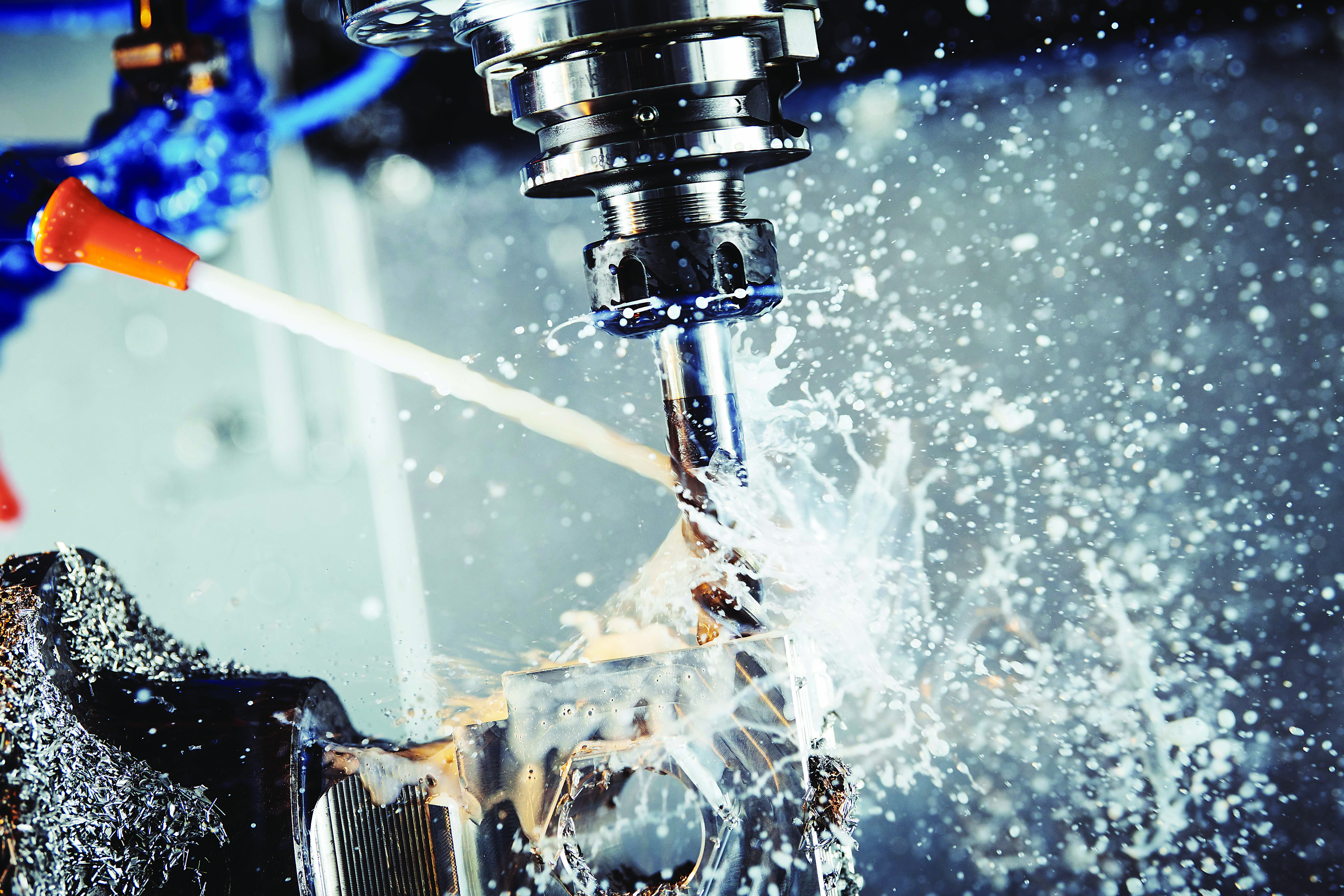
When factoring in the ever-increasing price of cutting oil concentrate and the rising costs of spent fluid disposal, the goal of any metalworking fluids management initiative should be to increase the life of fluids. Images courtesy of PRAB
Tariffs. In March 2018, the U.S. imposed a 25 percent tariff on steel imports and a 10 percent tariff on aluminum imports, with few exceptions. President Donald Trump defended the tariffs, saying they were necessary to protect domestic steel production facilities and reduce U.S. reliance on imported metal. Despite promises of long-term benefits, many metalworking companies have felt short-term pain and been concerned that the tariffs would sharply increase prices for steel and aluminum, stop a number of planned projects and push orders away from U.S. manufacturers.
Coolants and fluids. It’s easy for people in the machining industry to consider coolants, cutting oils and other metalworking fluids a necessary evil. Many decision-makers, from those at small job shops to huge supply plants with global customer bases, tend to think of coolant only when there is a problem with it at a facility.
From a standpoint of dollars and cents, industry estimates indicate that metalworking fluids represent as much as 10 percent of the cost of a finished part. This includes the initial cost of the concentrate, maintenance, filtration and disposal. For comparison, cutting tools make up only about 6 percent of the cost—at most—of a finished part. When factoring in the ever-increasing price of cutting oil concentrate and the rising costs of spent fluid disposal, the goal of any metalworking fluids management initiative should be to increase fluid life.
Fortunately, many solutions for scrap metal processing and fluid recycling are available to help companies respond to these two factors and improve profit margins.
A Systematic Approach
Scrap metal recycling begins with volume reduction. Chip processing systems offer the dual benefit of reducing small to medium volumes of turnings and bushy wads to flowing metal chips while also separating chips from cutting fluid. This positions a manufacturer to increase the value of its machining scrap and reuse its fluid.
Review the print ads from this magazine to continue
This quick advertiser review unlocks the rest of the article and keeps the full-screen reader focused on the ads instead of the page chrome.
Advertisers included in this article experience
Print placements connected to this article
Rushmachinery
Machinery
Grind better. Cut-Off Machines Wheel Truers Balancing Systems May 14-16, 2019 West Springfield, MA Chamfering Drill Grinders Booth # 1129 1983 2019 Celebrating 3� Years! ��i��in� �n� �e��icin� ��c�ines since 1983 � ��ee� ���in� �n� ��essin� ��c�ines � ����i�e���� ������� ��c�ines � �����e�in� ��c�ines � ����ncin� ��c�ines � ��i�� �n� ���� ��in�e�s.
Machinery Grind better. Cut-Off Machines Wheel Truers Balancing Systems May 14-16, 2019 West Springfield, MA Chamfering
Visit Rushmachinery View this placement in the issue recordPrint ads from this magazine
Grind better. Cut-Off Machines Wheel Truers Balancing Systems May 14-16, 2019 West Springfield, MA Chamfering Drill Grinders Booth # 1129 1983 2019 Celebrating 3� Years! ��i��in� �n� �e��icin� ��c�ines since 1983 � ��ee� ���in� �n� ��essin� ��c�ines � ����i�e���� ������� ��c�ines � �����e�in� ��c�ines � ����ncin� ��c�ines � ��i�� �n� ���� ��in�e�s.
Machinery Grind better. Cut-Off Machines Wheel Truers Balancing Systems May 14-16, 2019 West Springfield, MA Chamfering
Continue reading
May 2019
Typical scrap removal systems include a crusher and wringer or shredder and wringer, which processes loose metal turnings to deliver dry, flowing shovel-grade chips and reclaim up to 99 percent of metalworking fluids. Wringers and centrifuges provide another method of chip and fluid separation by using more than 600 G of centrifugal force to create dry chips and reclaim up to 99 percent of cutting fluid.
Compacting these dry, loose chips into smaller, denser briquettes is one way an operation can dramatically increase the value of its metal scrap. Briquetting machines compress metal chips, loose turnings and swarf into nearly solid, dry briquettes for feeding to a furnace, as these scrap pucks are easy to remelt, transport or store for enabling more floor space and a cleaner shop. Because of their condensed volume, briquettes fill containers better and bring higher value from recyclers than loose chips. Briquetting systems that use two opposing hydraulic cylinders are able to press metal equally from both sides to create the driest, most compact scrap pucks possible.
After the cutting oils are separated from the scrap, the right fluid management program can help to significantly decrease coolant costs. A variety of equipment and system options may reduce costs associated with the mixing of fluids used for cooling, lubricating and removing fines and chips from cutting zones, as well as fluids used for corrosion protection.
Remove and Save
Centralized coolant recycling systems remove tramp oils and suspended solids from contaminated coolant, control bacteria and can adjust fluid concentration for fluid recovery. Adding a centralized system benefits the bottom line by reducing fluid costs by up to 75 percent and reducing hazardous waste disposal costs by up to 90 percent. Utilizing a coolant manager in conjunction with a centralized recycling system prevents coolant rancidity by injecting ozone. These recycling systems extend tool life and could help a shop reduce tool purchases by up to 25 percent.
Magnetic separators also prolong tool life and are well suited to processes in which ferrous contaminants mix with water-based coolants or straight cutting oils. Separators employ high-intensity ferrite or rare earth magnets in a fully energized, rotating drum to continuously remove ferrous particles from the flow of liquid, which can reduce machine downtime by up to 50 percent—a major contributor to a healthy profit margin. These systems are often used as a pre-filter to limit contaminants reaching subsequent filtration equipment.
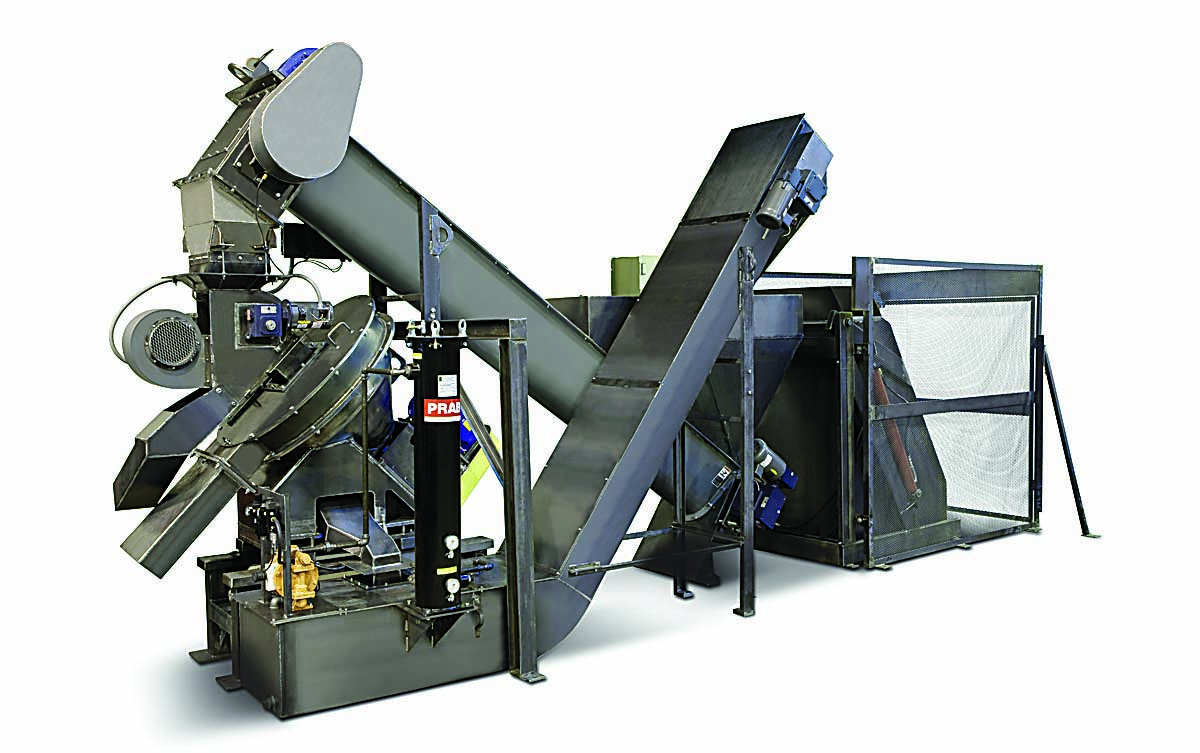
Turning and chip processing systems position an operation to increase the value of its machining scrap. Image courtesy of PRAB
Paper bed filters can extend cutting tool life by an average of 27 percent, improve surface finish and prolong coolant life by removing solids and other materials from all free-flowing industrial process liquids. Standard paper bed filtration systems are available with flow rates up to 130 gpm and different classes of filter fabric. This allows adjustments in micron-level clarity to achieve optimal removal of ferrous and nonferrous metals, as well as organic and inorganic contaminants, such as dirt, glass, rubber and plastic.
When the budget at a metalworking operation is tight, often because of factors beyond its control, financial decisions about purchasing capital equipment tend to favor front-line systems, such as CNC machines, mills, lathes and bandsaws. However, systems that handle the back end of the process—byproducts like scrap metal and spent fluid—can be equally important to improving a shop’s profit margin.
Implementing these systems could save money, generate revenue and increase the value of a business as a whole. In many cases, prioritizing these kinds of systems requires a reversal of conventional wisdom. Doing so may be difficult, but it is ultimately worthwhile when considering the fast return on investment and the increased value and efficiency that scrap handling and fluid recycling equipment can bring.