College to address demand for machinists
College to address demand for machinists
Northshore Technical Community College, Hammond, Ind., offers a machinist training program that it hopes will offset the gap in manufacturing job openings and qualified people to fill them, according to the school. The 2-year program acts as an introduction to a machining career, with students getting an associate degree in applied science with a concentration in machine tool technology, said Bridget LaBorde, dean of the campus.
Northshore Technical Community College, Hammond, Ind., offers a machinist training program that it hopes will offset the gap in manufacturing job openings and qualified people to fill them, according to the school.
The 2-year program acts as an introduction to a machining career, with students getting an associate degree in applied science with a concentration in machine tool technology, said Bridget LaBorde, dean of the campus.
This spring, 15 students enrolled in the course, but the school is hoping to attract more to fix a shortage of skilled workers that manufacturing has faced for years, she said.
The studym from Deloitte, a financial consulting firm, and the Manufacturing Institute, said in the next 10 years, there will be 3.5 million manufacturing job openings in the United States, with 2 million going unfilled because there are not enough trained people for the positions.
The study pointed to baby boomer retirements and economic growth as the cause for the skills gap. LaBorde said the challenge facing the manufacturing industry is convincing young people to take an interest in operating the machines to replace those baby boomers.
According to Eddie Adams, a machinist instructor with NTCC, machining, saw a boom during World War II, as factories rushed to make war supplies.
During the 1960s and 1970s, machines became computerized, helping manufacturing grow even more, he said.
Robin Mizell was one of the first instructors when the Hammond campus started its machinist program about 2 years ago. He helped revamp the machine tool technology workshop, which now has a variety of both manual and computerized machines.
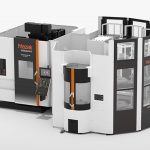
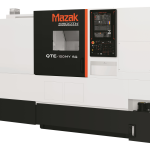
It is important for machinists to learn how to operate a manual machine to get a feel for how it works, before moving on to the computer numerical control grinders, mills, lathes and routers, he said.
The school plans to hold a ribbon cutting ceremony for the expanded workshop on July 16 at 9 a.m., inviting businesses and the community to learn about the program.
LaBorde said she wants to change the perception of machining so that students will see it as a good career choice.