

Skip to content
Operation / Process

Threading & Tapping

Optional: narrow results to one content type.
Select one or more.
Select one or more.
Select one or more.
Reset

Latest in Threading & Tapping

Itching for a Solution: Safety, Standards & Compliance
Articles December 1, 1997 William Sluhan
Itching for a Solution: Safety, Standards & Compliance
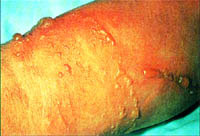
This article reviews the causes of skin irritation suffered by some shop workers, with special attention paid to skin conditions that result from poorly maintained metalcutting fluids. The article also discusses the factors that can aggravate skin problems and suggests ways that workers can protect themselves from skin irritants.
Know What You’re Tapping
Articles September 1, 1997 David Miskinis
Know What You’re Tapping
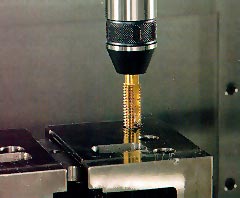
Traditional tap/drill charts recommend drill diameters for each size of tapped hole. But, according to this article, these recommendations are based on the size holes that were typically produced by less-accurate tools and processes used in the past. This article suggests guidelines for producing holes that will, in turn, produce correctly sized tapped holes.
The Need for Feed Units
Articles February 1, 1997 Tom Lingafelter
The Need for Feed Units
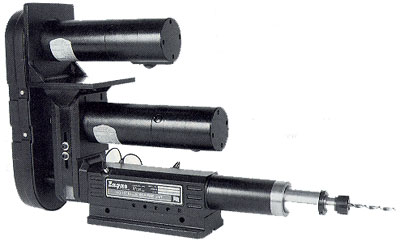
There are several types of feed units for drilling and tapping on the market, varying in capability and the type of drive. This article discusses the difference between units and suggests questions users should ask themselves before selecting a unit. Factors to be considered include the volume of production, cost engineering and tool requirements.
Rigid Rules: General Industry Coverage
Articles August 1, 1996 Allen Krenick
Rigid Rules: General Industry Coverage
There are some tapping situations that call for a rigid tapholder and some that call for a length-compensating holder. Often the choice depends on the capabilities of the machine and the CNC driving the tap. This article discusses why a machinist might choose one type of tapholder or the other.
The Good, the Bad and the Retapped
Articles August 1, 1996 John Edmond
The Good, the Bad and the Retapped
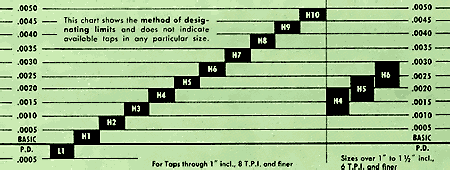
Internal threads can end up undersized because of the work material's properties or because of changes to the hole's dimensions caused by plating or heat-treating processes performed after tapping. This article explains H- and D-limits and how to use them to specify a tap that will produce the right size thread, regardless of any post-tapping operations.
Threads Will Roll: Drilling Performance
Articles August 1, 1995 Dan Gajdosik
Threads Will Roll: Drilling Performance
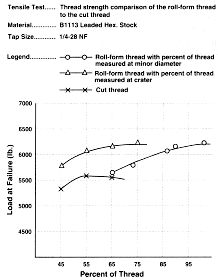
Roll-forming taps produce internal threads by displacing the metal under pressure rather than cutting it. This article explains how to perform the operation to achieve good quality threads. Formulas and charts help the user calculate the proper size hole and the size of tap to use for a desired thread.
Thread Rolling on CNC Machines
Articles August 1, 1995 Al McBride
Thread Rolling on CNC Machines
Thread rolling produces external threads by forming the profile instead of cutting it. This guide covers where CNC thread rolling fits, why it can outperform cutting, and what shops should watch in setup.
Driving the Tap: Turning Performance
Articles August 1, 1995 Doug Moore
Driving the Tap: Turning Performance
The choice of tapping driver, the component between the spindle and the tap, can affect the quality and accuracy of the threads as well as the rate of wear on the tap and the machine tool. This article discusses how features such as length compensation and self-reversing protect against damage caused by machine and tool errors.

1 19 20 21