

Ask CTE Contributors: Core Competencies for the Aerospace Market
Find out why five-axis machining is one of the core competencies needed to stay competitive in the aerospace market.
More Webinars
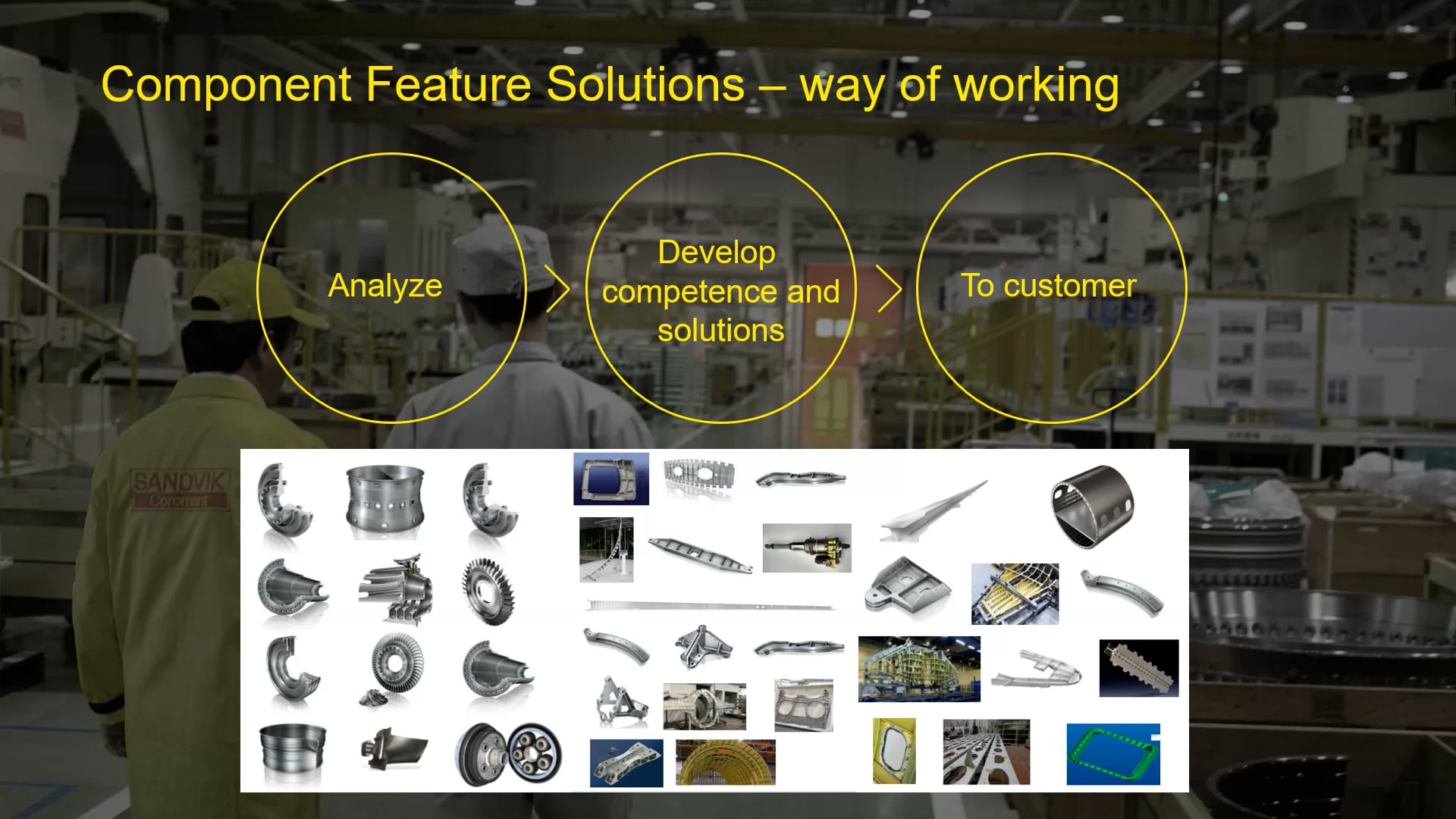 Ask CTE Contributors: Core Competencies for the Aerospace Market
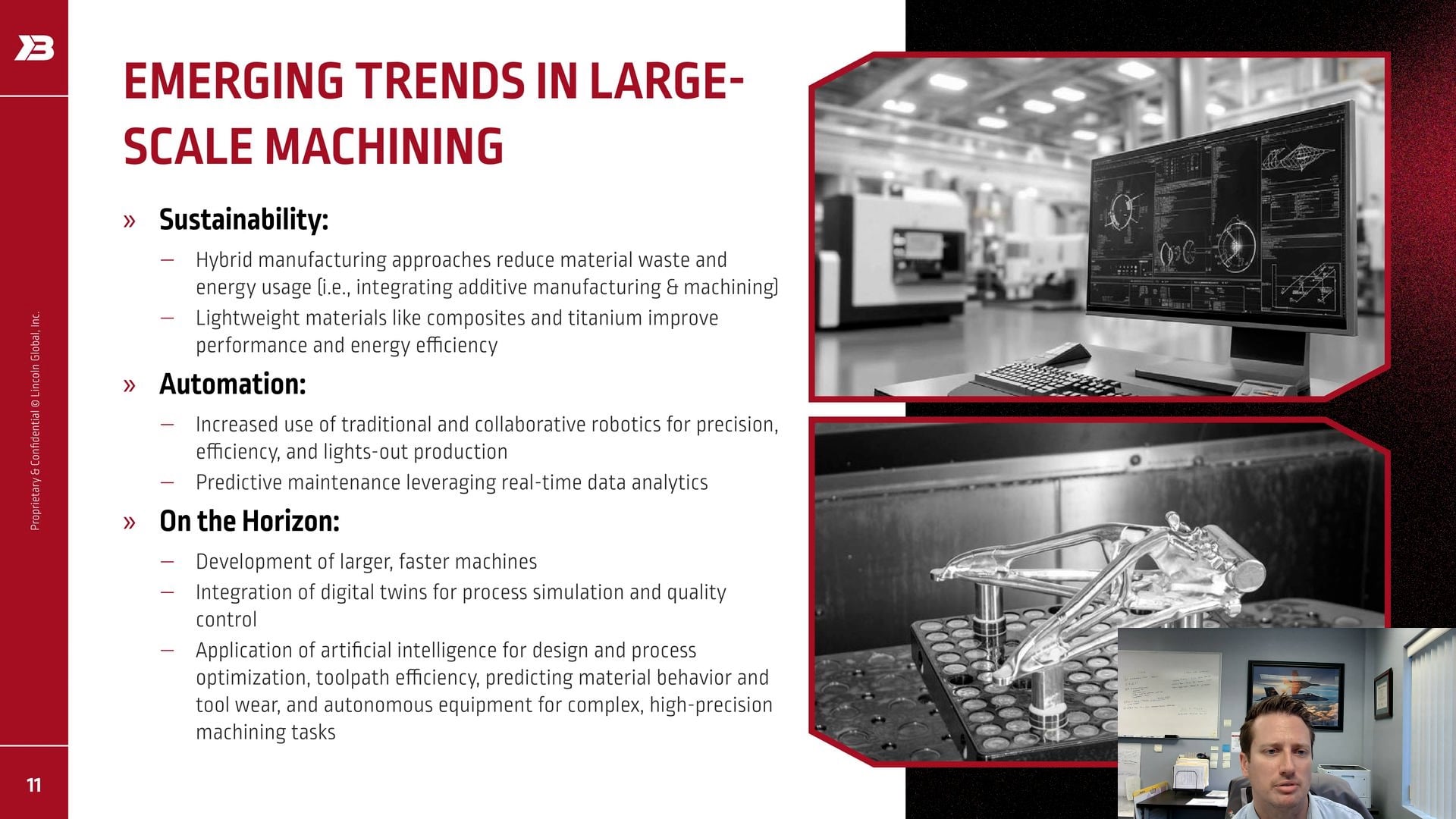 Mastering Large-Scale Machining: Baker Industries’ Innovations and Strategies
 Ask CTE Contributors: Master the Art of Rotary Broaching – Revolutionizing Polygon Machining
 Boosting Threading Efficiency: Five Tips to Avoid Tap Breakage
 Ask CTE Contributors: High-Pressure Coolant for Deep-Hole Drilling
Based on the “Making the Grade” sidebar in Alan Richter’s article “The Flying Five,” featured in the June 2024 issue of Cutting Tool Engineering (available at digital.ctemag.com), discover why five-axis machining is essential for staying competitive in the aerospace market.
Here’s what you’ll learn:
Material-Specific Cutting Tools: Understand how specialized tool grades enhance productivity and precision in machining various aerospace materials.
Innovative Machining Techniques: Explore how Sandvik Coromant’s optimized tools and techniques, such as the S205 turning grade for heat-resistant superalloys, can improve your manufacturing processes.
Overcoming Machining Challenges: Learn how to tackle the unique challenges posed by aerospace components.
Future-Ready Solutions: See how continuous B-axis movement in CAM software and five-axis capabilities are paving the way for seamless and efficient production.
Gain the insights you need to stay ahead in the rapidly evolving aerospace industry and join us for this engaging and informative session led by Tom Funke, an expert in CAM and application engineering at Sandvik Coromant, on Wednesday, June 26th at 12 PM CDT.
Featured Products:
- S205 Grade Turning Inserts
- CoroTurn SL70 Turn Holder solutions
- CoroTurn Prime and CoroPlex YT Y-Axis Turning solutions
- Coromill Plura Ballnose
- Fir Tree Cutters
- Power Skiving
Explore More: Sandvik Coromant Aerospace Solutions
Advanced tooling solutions are critical to the success of aerospace companies as they apply new materials to build airplanes that are lighter, safer and more fuel efficient. We are providing the tools and processes for the manufacturing of components for aircraft structural parts and different types of engines. Learn More
n


