

How to choose the right toolholder
Christopher Tate shares the key elements of selecting a toolholder that will help drive efficiency and improve your shop's bottom line.
I have been presented with countless varieties of toolholders over the years. All have been touted as cost-reducing or quality-improving products for reasons such as extended tool life, runout minimization and powerful gripping forces, among others. In some cases, the claims were accurate; in others, they were a bit exaggerated. I suspect that most shop owners, engineers and machinists can recount similar tales and claims.
Two things are certain: Opinions about toolholders and best practices are varied, and toolholders can consume a significant portion of a shop’s budget.
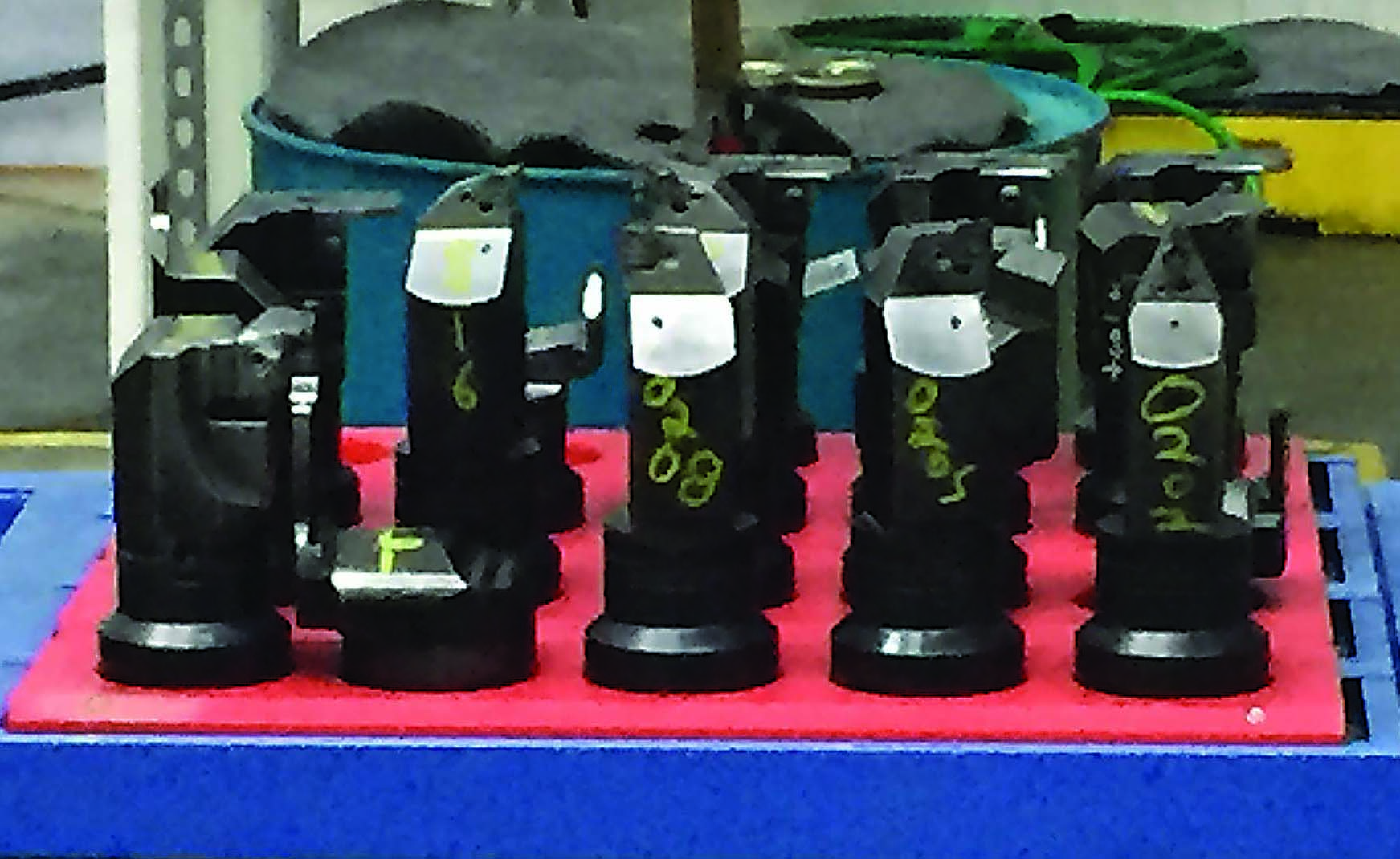
All images courtesy of Christopher Tate
So how does one sort through the selections and find the best solution in terms of costs? No formula or process will derive the best choice, but there are considerations that will help make sound decisions when selecting the best toolholders.
The Common Touch
First, strive to eliminate variation in styles and technology. Common holding methods will help reduce unnecessary inventory and make the shop far more flexible, especially when reacting to short-cycle jobs and emergent situations.
Moving jobs around the shop to address capacity or maintenance issues can be difficult when machines have dissimilar toolholding requirements. Work to create a shop that has common machine interfaces so tools can be moved from machine to machine with little effort. Consider, for example, a CAT 50 toolholder and a BT50 toolholder. They are interchangeable in the machine spindle, but they are not interchangeable in the automatic toolchanger.
Having a common machine tool interface also means toolholders are not made obsolete when a machine leaves the shop. I saw hundreds of toolholders leave in scrap bins as old machines became obsolete at an aerospace manufacturer. Most of the toolholders had almost no signs of wear and actually appeared new. They were discarded because they did not fit any of the other machines in the shop.
New and Proprietary Technologies
Avoid unproven technology. It is common for a sales representative to present a new toolholding system that has not been proven effective outside the manufacturer’s controlled environment. Always review new technologies carefully and consider how the change would impact commonality. Also, project the cost and availability of spare parts and wear items, like collets.
Review the print ads from this magazine to continue
This quick advertiser review unlocks the rest of the article and keeps the full-screen reader focused on the ads instead of the page chrome.
Advertisers included in this article experience
Print placements connected to this article
Slatertools
TOTAL CNC
BROACHING SOLUTIONS Design. Manufacture. Support. MAKE YOUR SHAPE Slater Tools offers the industry’s most complete range of tooling to machine and gage precise shapes in seconds. Internal and external rotary broach tools and toolholders Internal and external punch broach tools Go/ No-Go gages Standard and custom tools SEE US AT.
TOTAL CNC BROACHING SOLUTIONS Design. Manufacture. Support. MAKE YOUR SHAPE Slater Tools offers the industry’s most complete range of tooling to machine and gage precise shapes in seconds. Internal and external rotary broach tools and toolholders Internal and external punch broach tools
Visit Slatertools View this placement in the issue recordPrint ads from this magazine
BROACHING SOLUTIONS Design. Manufacture. Support. MAKE YOUR SHAPE Slater Tools offers the industry’s most complete range of tooling to machine and gage precise shapes in seconds. Internal and external rotary broach tools and toolholders Internal and external punch broach tools Go/ No-Go gages Standard and custom tools SEE US AT.
TOTAL CNC BROACHING SOLUTIONS Design. Manufacture. Support. MAKE YOUR SHAPE Slater Tools offers the industry’s most complete range of tooling to machine and gage precise shapes in seconds. Internal and external rotary broach tools and toolholders Internal and external punch broach tools
Continue reading
July 2018
In addition, evaluate proprietary technologies carefully before adopting them. In some cases, you may be presented with a system that is not new but proprietary. This can limit access to parts and make you a victim of extended lead times when the manufacturer experiences interruptions to its production schedule. Proprietary technologies can also be limited by availability and minimal configurations.
Although there are negative aspects to adopting proprietary technology, when properly vetted, it can sometimes make sense to invest in proprietary or specialized toolholding systems.
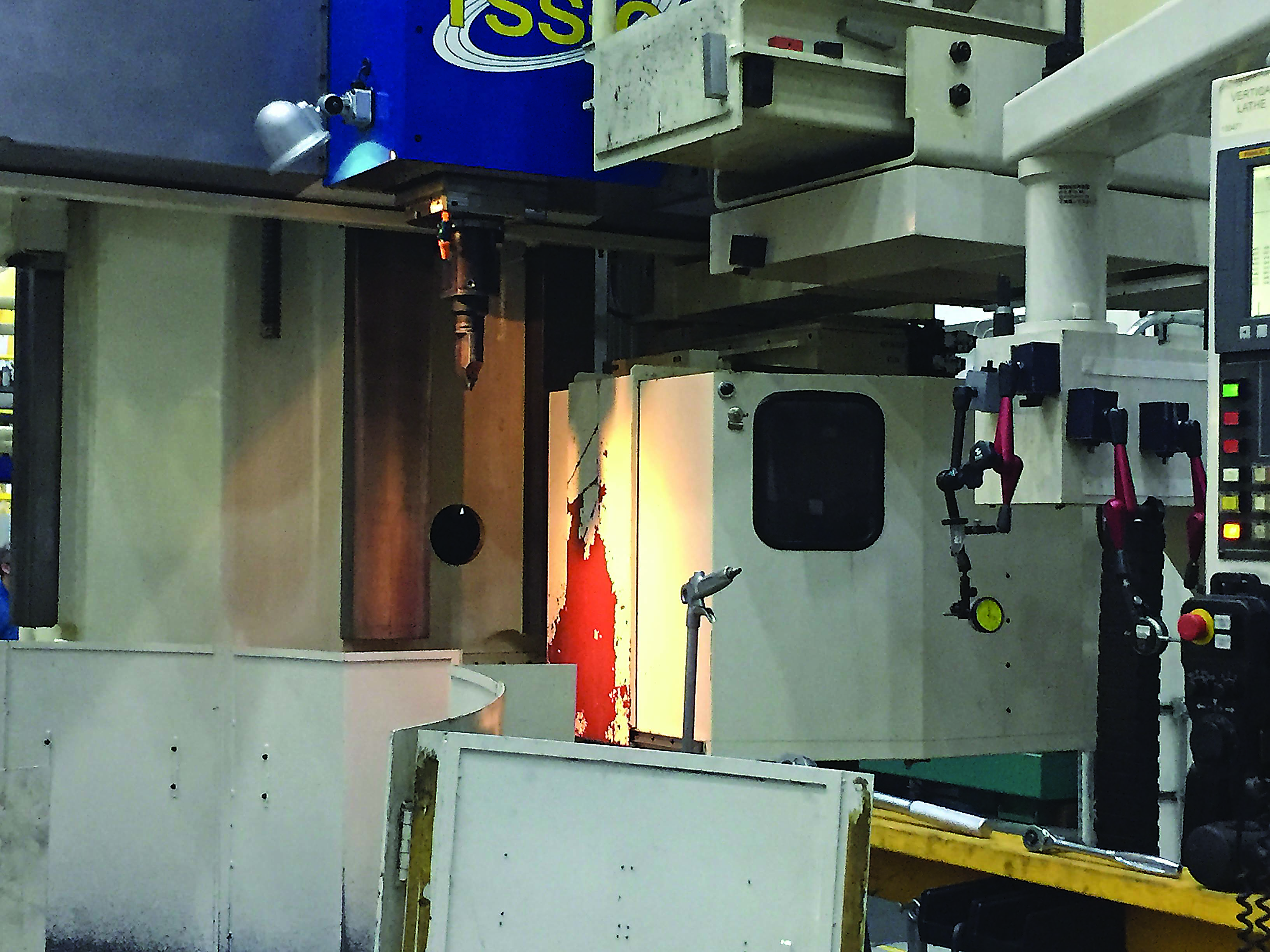
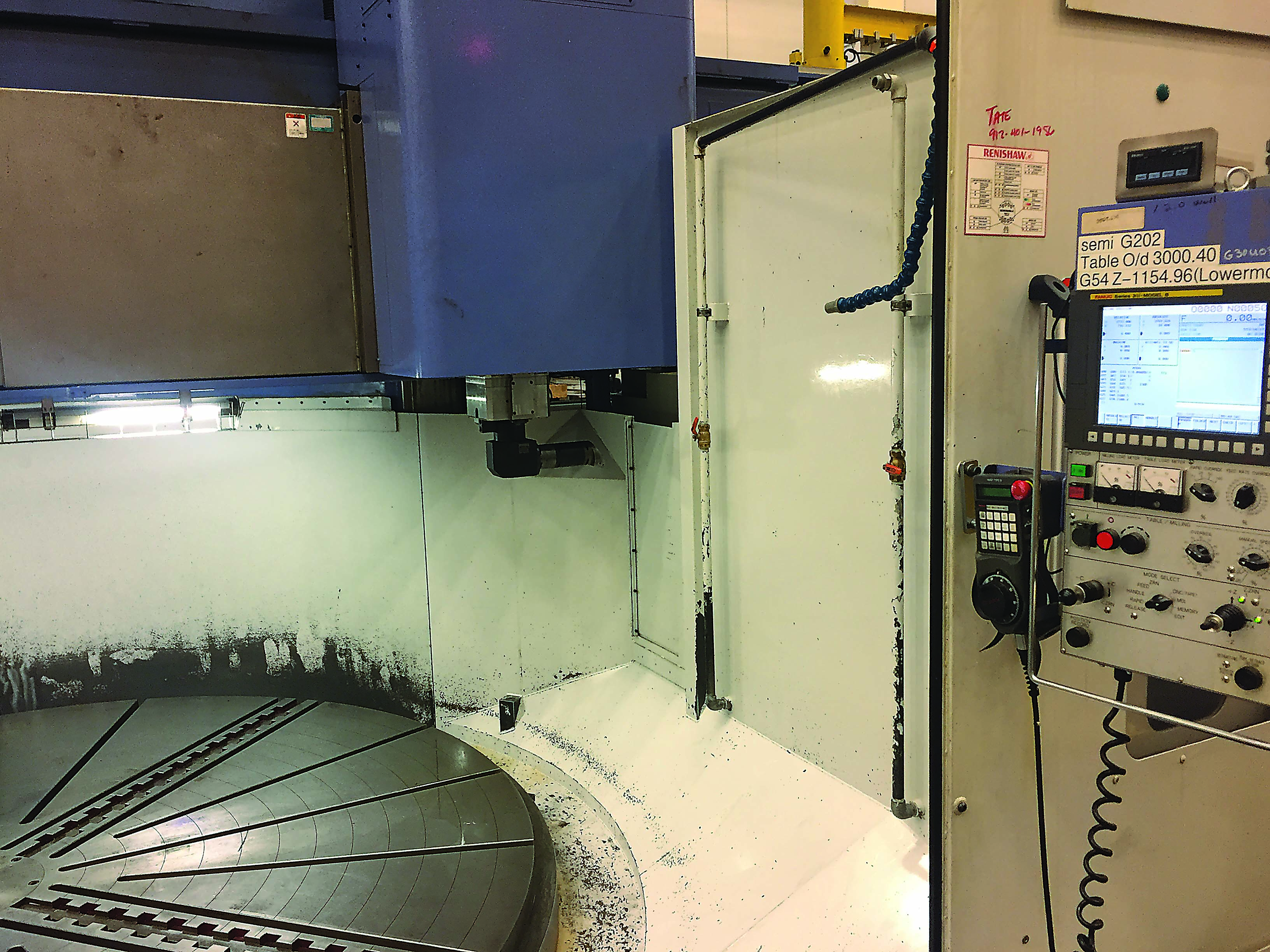
Each machine has a set of custom toolholders that fit into the ram, allowing the use of standard Sandvik Coromant Capto indexable tools. Common toolholding allows jobs to be moved at will.
I once inherited responsibility for a vertical turret lathe after it had been purchased. It was my responsibility to install, tool up and commission the lathe. The tool interface on this VTL required a tapered holder like a machining center. Maintaining commonality with the other machines in the bay meant we needed to use Sandvik Coromant Capto-style toolholders for this machine. This decision made obsolete the handful of toolholders included with the machine, forcing us to purchase new ones.
Capto adapters are available for numerous spindle tapers; we expected to select from the catalog and have the necessary items in a few days. Unfortunately, the VTL spindle required a BT55 taper, which is not common. BT55 tapers are so uncommon that we spent an extra $75,000 on custom holders. We opted for the special holders so all the machines in the bay would have the exact same Capto tool interface. Our return on investment came from the cost avoidance of not purchasing unnecessary cutting tools because of the dissimilar interfaces.
Cutting Costs
Toolholders range in complexity, accuracy and cost, much like everything else in the shop. Eliminate unnecessary costs, but utilize the most appropriate technology for the job. Consider heat-shrink holders instead of the more traditional ER collet system. Heat-shrink holders provide extremely low runout characteristics, effective vibration damping qualities and significant grip strength. All these characteristics make heat-shrink technology one of the best-performing toolholding solutions available. However, the toolholders are expensive, they require a separate machine to heat and cool them when inserting and removing a tool, and they have a finite number of heating cycles before replacement is required.
Compared with heat-shrink holders, ER collet chucks typically do not perform as well. However, they are cost-effective. ER collet chucks are a fraction of the cost of heat-shrink chucks and require no external equipment other than wrenches. When properly cared for, they have an unlimited life. Some machining operations demand the accuracy, performance and cost of heat-shrink technology, but many machining operations do not gain benefit from the added expense.
There is no reason to avoid new or different technology if it is beneficial. However, everything should be tested to ensure that the benefits are on par with the expense. When a sales representative promotes a toolholder by saying it will improve tool life, part quality or productivity, make sure the toolholder is vetted through proper testing. Toolholders are a single variable in the machining process. Make sure all the other variables—like cutting parameters and tool geometry—are also optimized.
Again, there is no magic formula for selecting the best and most cost-effective toolholding system. However, careful consideration of key elements will help drive efficiency and improve the bottom line.
Glossary terms in this article
Related




Subscribers can use MFGAxis notes, saves and discussion tools with their innoNET account.


