

Train and Retain
Regardless of the industry being served, effective worker training is critical to a part manufacturer’s success. Horst Engineering’s core focus is producing aerospace and defense parts, but states that precision machined components are just as essential to many high technology industries, including power generation.
Regardless of the industry being served, effective worker training is critical to a part manufacturer’s success. Horst Engineering’s core focus is producing aerospace and defense parts, but states that precision machined components are just as essential to many high technology industries, including power generation.
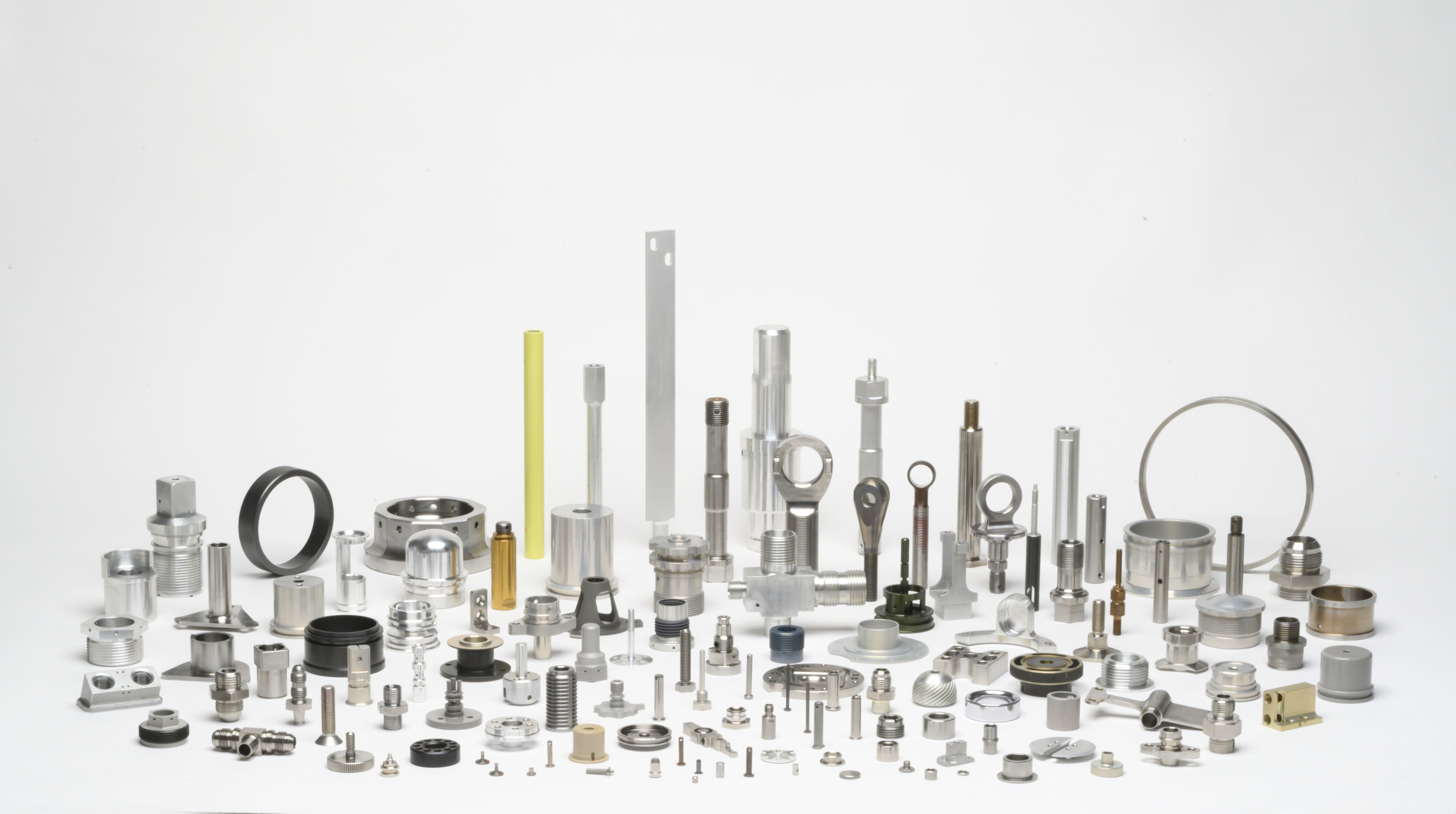
Celebrating its 80th anniversary this year, the company employs 115 workers at its more than 9,290-sq.-m (100,000 sq. ft.) East Hartford, Connecticut, facility, which is five years old, and is in the process of hiring 15 more employees, said Scott Livingston, president and CEO. To train new hires, Horst Engineering established its own training program, which is in its early stages and involves in-house studying, classroom work and testing. “We’re calling it a training program as opposed to an apprenticeship program, but it has the same elements. We’re just not filling out the government forms and sort of doing it our own way.”
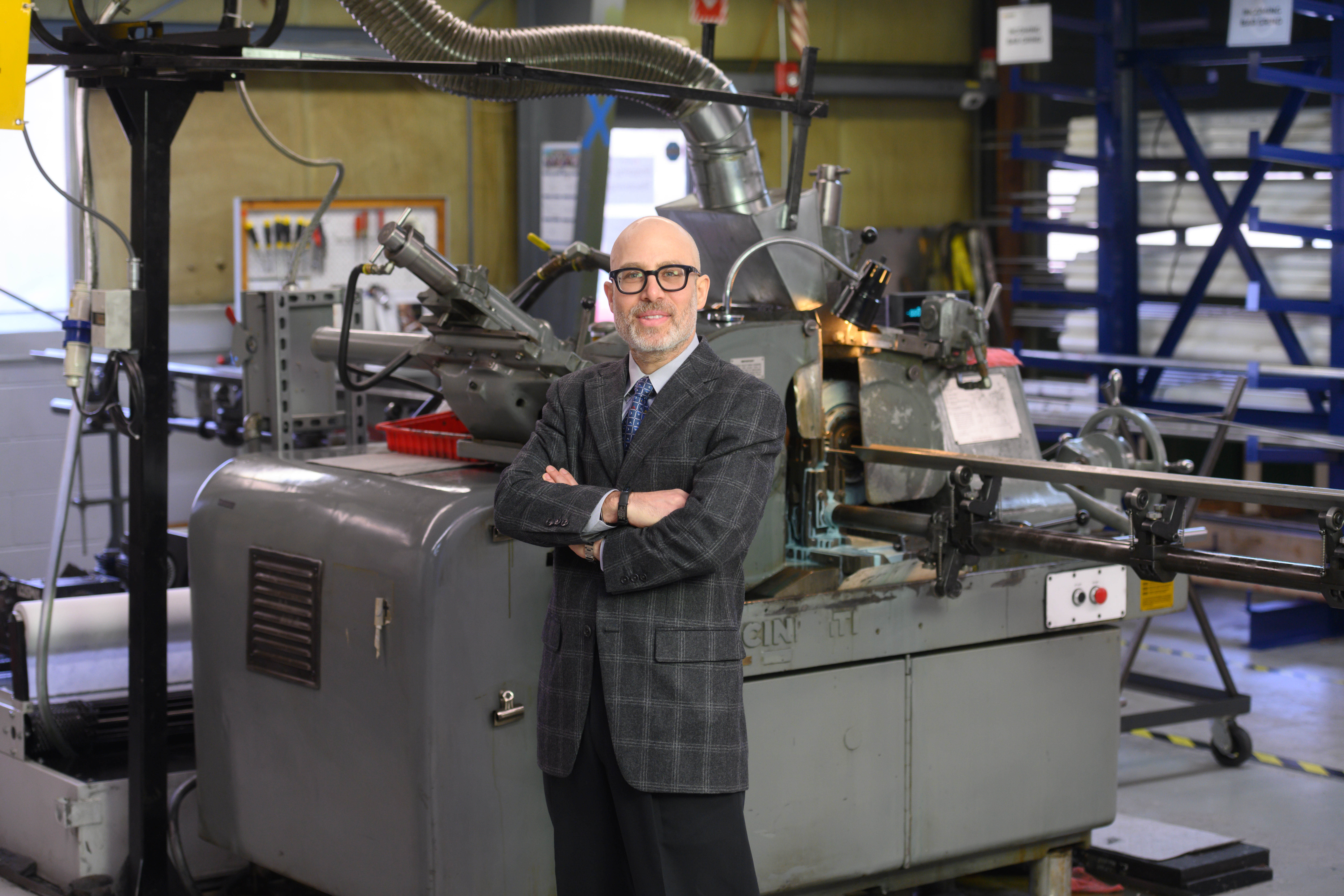
That way includes working with an expert machining educator to enable new hires to become comfortable operating and making basic adjustments to machining equipment, starting with Swiss-style machines, Livingston noted. “It’s been a success. Then we’re also simultaneously recruiting a trainer for turning because we do as much turning as we do Swiss-type screw machining.”
Livingston added that the plan is to continue with training for milling, grinding, thread rolling and a variety of other processes that the manufacturer performs. “Eventually, we’ll have a whole curriculum for all our major processes. It’s a multiyear plan.”
Regardless of the process, there is a foundation of skills that are required for every employee, he said, principally around the ability to check their own work. Those skills include part inspection techniques, blueprint reading and geometric dimensioning and tolerancing (GD&T). Somebody coming from a vo-tech school or community college machining program has some foundational skills that the company can capitalize on, but Horst Engineering can provide the necessary instruction to people with no prior experience who are interested in learning the trade. “They’ve got to want it. The recruiting is really more focused around attitude more so than aptitude.”
Learning to effectively operate production equipment is essential, but developing soft skills and “emotional intelligence” to properly communicate with other members of the organization’s team is also important, according to Livingston. “We’ve used different types of assessment tools in order to help people understand their own personality and behavior traits and to respect, understand and work better with people who have a different set of traits.”
Review the print ads from this magazine to continue
This quick advertiser review unlocks the rest of the article and keeps the full-screen reader focused on the ads instead of the page chrome.
Advertisers included in this article experience
Print placements connected to this article
Ceratizit USA
Ceratizit USA print ad
Print ad listed on page 25 of the June/July 2026 issue.
View this placement in the issue recordContinue reading
June/July 2026
In addition, the training program can assist existing workers, especially when it comes to refreshing their GD&T inspection techniques, he said, enabling them to remain confident in their skills. “Given the type of work we do, including flight safety components, there’s a compliance aspect to retraining people. It just makes for business sense.”
Livingston added that existing workers might also need training in new technology, such as how to use new cutting tool designs.
Employees can take advantage of the company’s tuition reimbursement program for higher education, such as a manufacturing engineer who wants to earn an MBA to develop more business skills, he noted. “As long as it’s relevant to the work they do here, we will contribute to their education funding. We’re also experimenting with loan forgiveness with some hires as part of their recruiting and onboarding.”
Hiring and training workers is one aspect, but retaining those now-skilled workers is another. In addition to tuition reimbursement, Livingston said Horst Engineering has boosted its compensation strategy, improved the benefits package, enhanced retirement planning and implemented personal finance instruction to help workers manage their income and stretch each dollar for maximum gain. “We’re doing a lot of these little things in order to develop a culture where people want to stay. We have a three-year trend of increasing our retention rate.”
Visit horstengineering.com or call 860-289-8209 for more information about Horst Engineering.
—Alan Richter
Related


Subscribers can use MFGAxis notes, saves and discussion tools with their innoNET account.


