Article discusses the disadvantages of carrying too many grades of carbide inserts. Often, using a less-than-optimal grade can save a machine shop money.
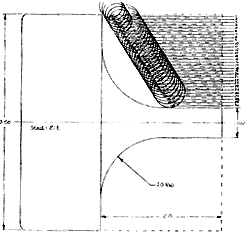
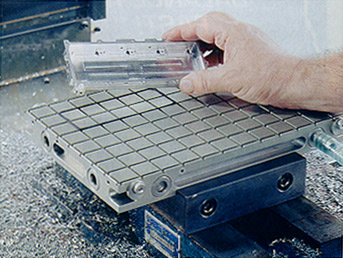
Vacuum chucks can be useful for holding parts that are thin, irregularly shaped, large and flat or easily marred. This article describes the components and machining required to build a vacuum chuck in-house. Accompanying Articles discuss the commercial units that are available and the use of router bits to reduce the lift on vacuum-chucked parts.
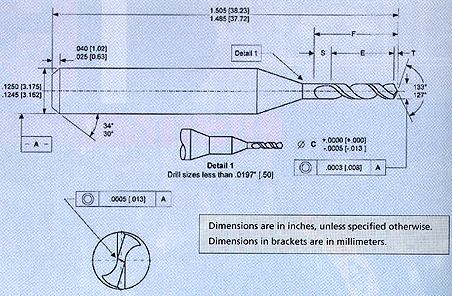
Small-diameter drills designed for drilling circuit boards can be used as a low-cost alternative for producing holes in other materials as well. Their fragility is the only drawback.
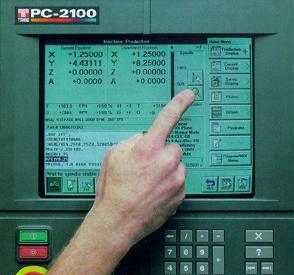
Open controls allow users to integrate commercially available hardware and software with machine tool CNCs. This article reviews how different CNC makers have designed systems that incorporate or connect with PC-based products to offer this level of flexibility.
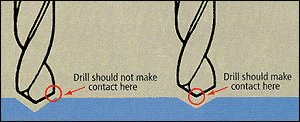
Spot drilling is a time-consuming process, but sometimes it is necessary to prevent drill walk. This article describes the reasons for spot drilling and the economic impact of adding the operation to a job. It also explains why a spot drill is a better choice for the operation than a center drill.
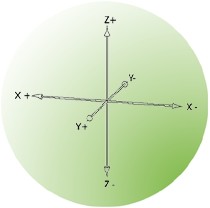
This article reviews the basics of coordinate systems and machine programming as a basis for presetting tools. The process for setting tool offsets is described with an explanation of the G-codes involved. In an accompanying article, the author tells how his company built its own presetter.