

Coffee for a cause: Workforce Development & Training
The founders of a fledgling coffee company are dedicating a portion of the business's proceeds to the future of manufacturing, while also making life a little better for java-craving workers currently in the field.
The founders of a fledgling coffee company are dedicating a portion of the business’s proceeds to the future of manufacturing, while also making life a little better for java-craving workers currently in the field.
Based in Plymouth, Minnesota, the company, called ShopFloor Coffee, sells a variety of coffee products to manufacturing firms and donates 20% of the proceeds to workforce development initiatives focused on the manufacturing industry. The concept is the brainchild of the company’s founders, Amy Teal and Mike Franz, both of whom live just outside the Twin Cities area in Minnesota. Teal’s background includes a nearly nine-year stint with a major 3D printing firm. Franz has worked in the industrial field for almost 20 years, including jobs in small machine shops as well as experience in sales and distribution.
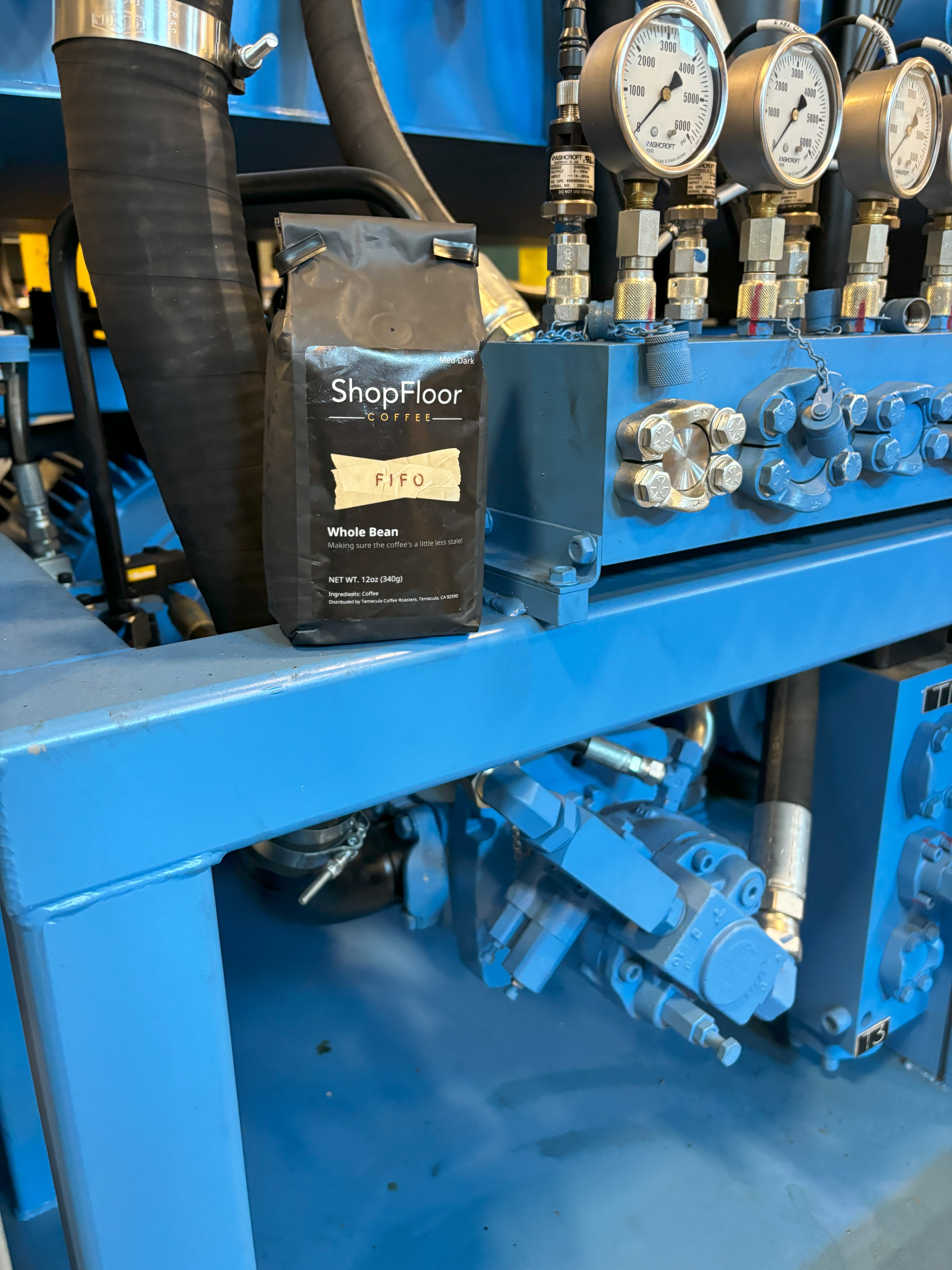
The ShopFloor Coffee model is to sell good coffee to manufacturers and donate a cut of the proceeds to workforce-development programs for the industry.
Last July, Teal and Franz were discussing workforce challenges in the manufacturing industry over a cup of coffee. “While we were chatting, Mike made a comment that on the shop floor, there are always complaints about two things, the coffee and the toilet paper,” Teal recalled. “We decided that we can’t do anything about the toilet paper, but we can try and help with the coffee situation. The vast majority of people drink coffee, so almost every shop has some form of coffee maker or supplies coffee to their employees. So we felt that coffee could be a way we could help support the community.”
A couple of months later, ShopFloor Coffee was born. In addition to Teal, who serves as CEO, and Franz, whose title is chief innovation officer, the company relies on a good deal of outside help. This includes organizations that handle activities such as roasting, distribution and marketing, as well as advisers with experience in the coffee industry.
“When we started the organization, we used a drop-shipping model, which kept our overhead costs extremely low,” Teal noted. “But as we started to grow, we quickly realized that that was not a sustainable model.” So with the help of their advisers, Teal and Franz have been able to identify roasteries that are closer to home, making it easier for them to monitor product quality and consistency. In addition, their new roastery partners will allow them to boost product volume to meet what they hope will eventually be much greater demand.
“Our goal is to be in every manufacturing facility across the country, and we’re preparing for that by making this change to the operation,” Franz said.
Review the print ads from this magazine to continue
This quick advertiser review unlocks the rest of the article and keeps the full-screen reader focused on the ads instead of the page chrome.
Advertisers included in this article experience
Print placements connected to this article
Mazakusa
LEARN MORE. DO MORE.
MAKE MORE. Now is the time to learn more, do more and make more with the most innovative manufacturing technology in the industry. JOB SHOP SOLUTIONS ADVANCED MACHINING TECHNOLOGY Affordable precision made the Mazak way. Accuracy beyond measure. MULTI-TASKING TECHNOLOGY HIGH-PRODUCTION MACHINING Reduce setups with the power of DONE IN ONE . ®.
LEARN MORE. DO MORE. MAKE MORE. Now is the time to learn more, do more and make more with the most innovative manufacturing technology in the industry. JOB SHOP SOLUTIONS ADVANCED MACHINING TECHNOLOGY Affordable precision made the Mazak way. Accuracy beyond measure. MULTI-TASKING TECHNOLOGY HIGH-PRODUCTION MACHINING Reduce setups with the power of DONE IN ONE . ® Unmatched output and performance.
Visit Mazakusa View this placement in the issue recordPrint ads from this magazine
MAKE MORE. Now is the time to learn more, do more and make more with the most innovative manufacturing technology in the industry. JOB SHOP SOLUTIONS ADVANCED MACHINING TECHNOLOGY Affordable precision made the Mazak way. Accuracy beyond measure. MULTI-TASKING TECHNOLOGY HIGH-PRODUCTION MACHINING Reduce setups with the power of DONE IN ONE . ®.
LEARN MORE. DO MORE. MAKE MORE. Now is the time to learn more, do more and make more with the most innovative manufacturing technology in the industry. JOB SHOP SOLUTIONS ADVANCED MACHINING TECHNOLOGY Affordable precision made the Mazak way. Accuracy beyond measure. MULTI-TASKING TECHNOLOGY HIGH-PRODUCTION MACHINING Reduce setups with the power of DONE IN ONE . ® Unmatched output and performance.
Continue reading
July 2024
ShopFloor Coffee sells both ground and whole bean coffee in different varietals and blends. As for choosing a type to sell, the methodology is simple. “It’s sampling—tasting and smelling to make sure we’re hitting palates in the right way,” said Teal. And after she and Franz do the initial sampling, “it’s trying to get as many people (as possible) to try it and provide feedback.”
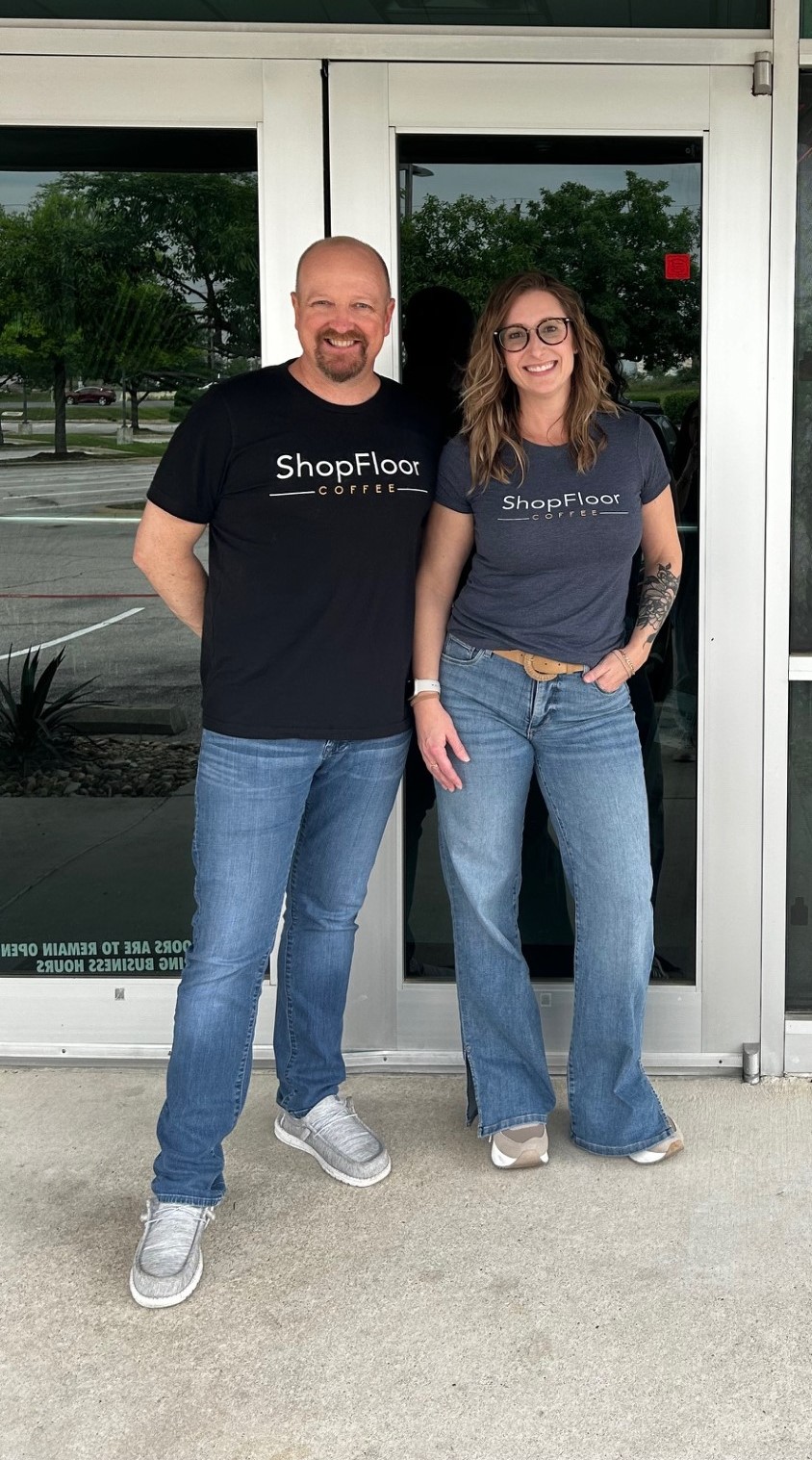
Over a cup of coffee, Amy Teal and Mike Franz came up with a novel way to support manufacturing.
Soon, Teal and Franz hope to add coffee frac packs and filter packs to their product lineup. Popular in work settings, these easy-to-handle packages contain a pre-measured amount of ground coffee that’s enough to brew a pot of coffee or a certain number of cups.
Donation Considerations
Besides selling their products, Teal and Franz are focused on selecting organizations that will receive their workforce development donations. Their objective is to fund programs that educate young people and their parents about careers in manufacturing.
To that end, “we’ve started partnering with a lot of local and national organizations, which also helps spread the word” about ShopFloor Coffee, Teal said. Current partners include the Minnesota Precision Manufacturing Association, the National Coalition of Advanced Technology Centers, and the National Tooling and Machining Foundation.
Teal and Franz have discovered that there’s no shortage of organizations that support manufacturing, so one of their biggest challenges is choosing from among so many candidates. To begin with, Franz said, they gravitated toward the large national organizations they knew of because of their involvement in the industry. At the same time, though, “we were thinking, ‘How can we push this down to the local level and support programs that are impacting people where they can see an actual difference?’ That’s the goal we’re working toward, and we’re learning about different opportunities at the local level every day.”
According to Franz, the manufacturers he and Teal have encountered so far are enthusiastic about ShopFloor Coffee, not only because of its support of workforce development initiatives but also for the positive impact it can have on existing workers. These firms “actually want to improve the coffee for their employees,” he noted. “Many companies just put a basic coffee out on the floor. So one of our selling points is that, if you improve the coffee, that’s one tiny step (forward) for employee satisfaction and what they get out of their job every day.”
Related


Subscribers can use MFGAxis notes, saves and discussion tools with their innoNET account.


