

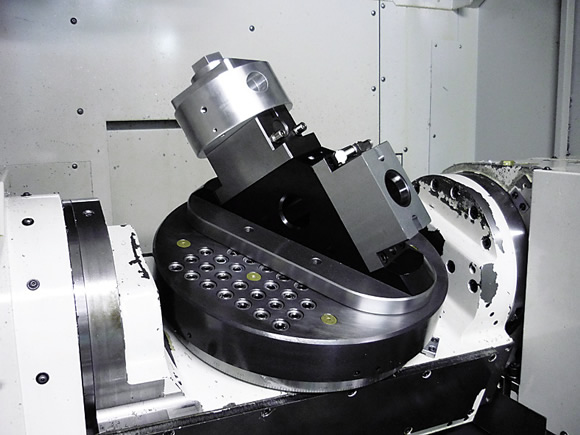
Significant progress in metalworking productivity most often results from the combined efforts of toolmakers, machine tool builders and software developers. Plunge, or Z-axis, milling is a good example.
Many manufacturers apply finishes such as black oxide, metal plating, adhesives and sealants to their parts. One key question is whether to apply those finishes in-house or outsource the operation. For many shops, the decision is based on part volume, cost of capital and practical considerations.
A shop grinding tungsten carbide with a resin-bonded diamond wheel asked the Grinding Doc about the difference between two conditioning sticks purchased from two differrent suppliers. With one stick the shop can do a lot more parts between stickings. Why is this? Dr.
Part manufacturers are examining every aspect of the production process, from cutting tool parameters to workholding methods, to find ways to reduce costs and improve quality. Conversations with metalworking professionals have revealed a heightened awareness of the role that nonmachining changeover time plays in manufacturing costs.