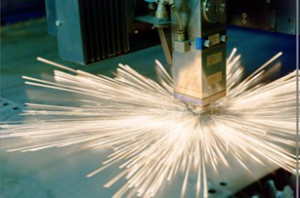
Lasers are used in a myriad number of applications to cut, drill, weld, mark, or structure parts in a wide variety of applications in many industrial sectors to optimize manufacturing processes and satisfy the need for ever increasing quality of components.
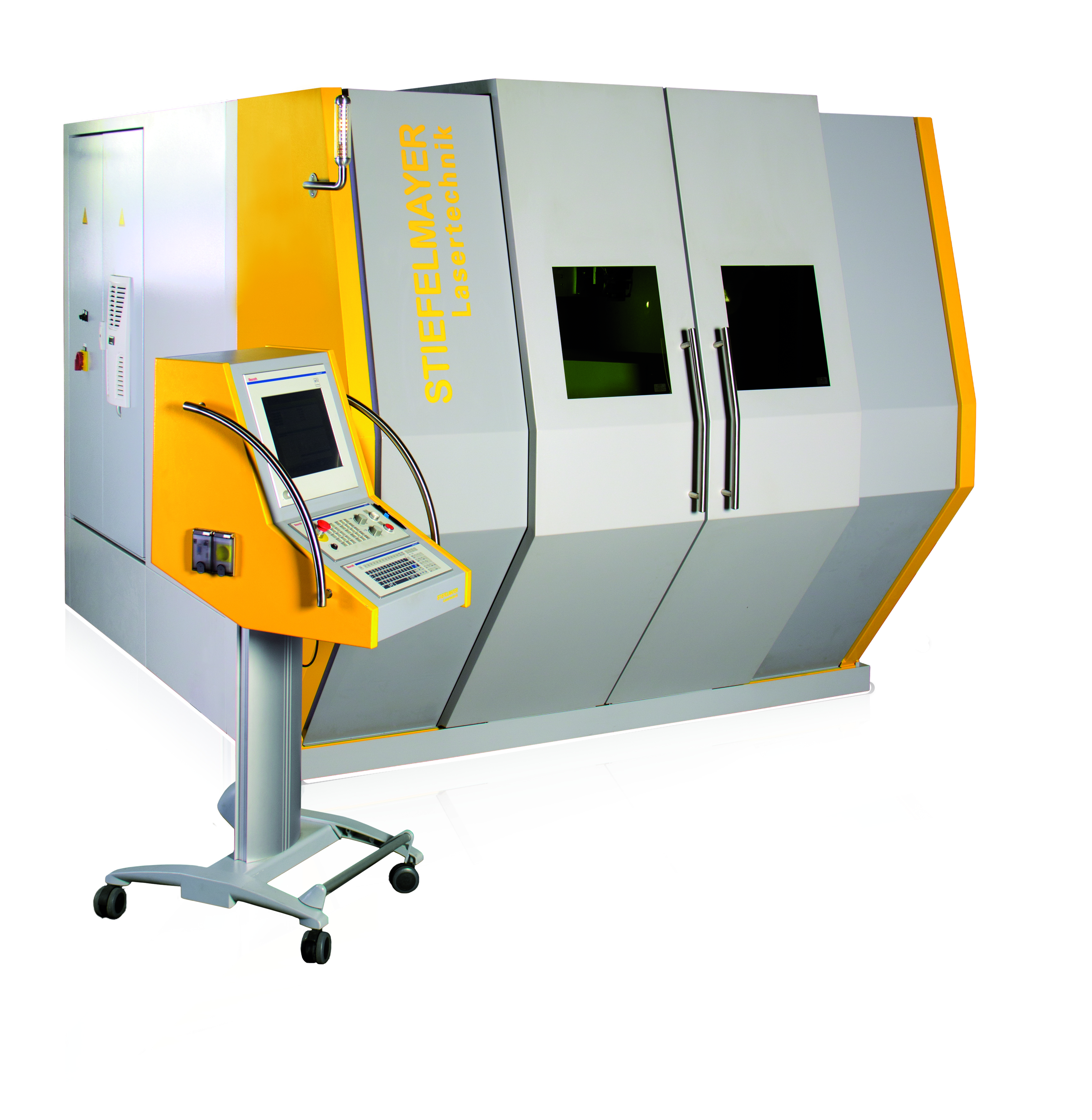
The Stiefelmayer laser is particularly well adapted to cutting precision shapes in thin substrates, including mild steel, stainless, copper and brass. Motor laminations are a particular specialty and this fact matches the drive to EV in the American auto industry.
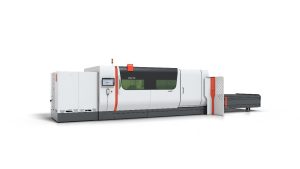
On average, thanks to the new 15kW laser, the cutting speed of the ByStar Fiber increases by up to 50 percent (when cutting with nitrogen) compared to a 10kW laser source. This means that sheet metal processing companies can benefit from higher productivity with relatively low unit costs.
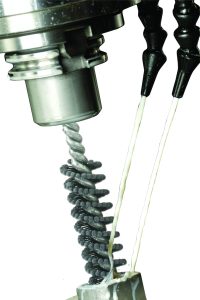
With new advances in abrasive technology, machining center operators are able to complete surface finishing simultaneously with other machining operations, to speed cycle times, improve quality and save on off-line finishing time and costs. The abrasive finishing tools can be easily integrated into CNC machines carousels or tool holding systems.
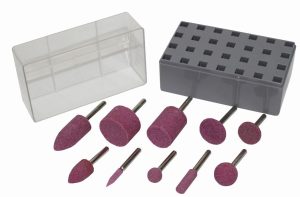
The stones have a distinct pink color due to their components and can be used on a variety of steels and alloys where sharp cutting action is essential. The characteristics of the pink abrasive grain make the stones exceptionally durable while providing cooler cutting.
The color-coding helps stop cross-contamination in operations working with both carbon and stainless steel by making it easy to identify the correct wire brush. The color-coding is a visual change to an existing product line — there will be no change to the performance of the stainless steel offering. Part numbers and pricing will also remain the same.
The innovative pyramid geometry of the WTX ensures extremely aggressive and precise drilling performance. In fact, the WTX achieves positioning accuracy of 0.03 mm and excellent centering properties. Higher levels of drilling quality, hole tolerance, surface finish, and positioning accuracy increase component quality, to the extent that there is no need for potential reworking.