Resources
Blind Resources
Explore 35 published CTE resources related to Blind across 4 articles, 25 products, 2 videos, and 4 news items.
4
Articles
25
Products
2
Videos
4
News
Articles
4 articles
Products
25 products
Videos
2 videos
News
4 news items
Browse
Browse all Blind resources
Browse results

Talking Points: Industry Trends & Analysis
A conversation with Lee Iacocca, chief spokesman and a member of the board of directors of The Online Asset Exchange (onlineassetexchange.com), a service for buyers and sellers of machine tools. Iacocca also is involved with a company that produces electric bicycles.
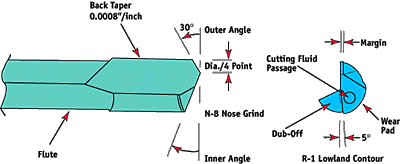
Back to Basics: Drilling Performance
Gundrilling: going deep
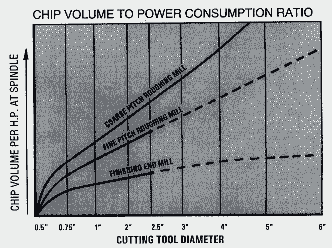
Smoother Roughing
The author discusses the disadvantages of using a finishing endmill for roughing applications. He also presents a quick, systematic, step-by-step series of calculations that allows machinists to optimize metalcutting when applying coarse-pitch, cobalt-HSS roughing endmills.

From Maudsley to CNC: The Evolution of Thread Cutting
A look at the different types of inserts used for single-point threading and how to figure feed rates for cutting threads on a CNC lathe. Also offers programming tips and recommendations for reducing tool wear.

Abrasive Personality: Drilling Performance
High-silicon aluminum--aluminum that consists of at least 11.8 percent silicon--has qualities such as lightness and strength that appeal to automakers. The abrasives nature of the material, however, makes it difficult to machine. The author offers suggestions for milling, tapping, drilling, turning and grinding high-silicon aluminum.

Getting to the Bottom of Chatter
Tool chatter is one of the biggest obstacles to effective machining that job nshops face. The author discusses the sources of chatter and offers nsuggestions for minimizing it.

Added Dimensions: 5-Axis Machining
A rotary table allows a 3-axis vertical machining center to machine in the n4th and 5th axes. The author explains the different types of rotary tables nthat are available and discusses the advantages and disadvantages of each.
High Expectations: Drilling Performance
People in the aerospace industry expect a lot from reamers. The author, an nengineer who works for a manufacturer of aerospace components, discusses nstrategies for job shops interested in developing a precision reaming nprogram.
Don’t Toss that Indexable Tool
Ninety-nine percent of indexable tools that break can be repaired, according to companies that repair tools. And, they say, a broken indexable tool can nbe repaired so it performs as well as or better than the original.
Company Saves Big with Custom Indexable Tool
Switching from a brazed-tip trepanning tool to an indexable-insert tool nreduced downtime for a manufacturer of cast iron cylinder heads by 45 nminutes. And, incredibly, the price-per-piece dropped so much that the ncompany could save $690,000 annually.
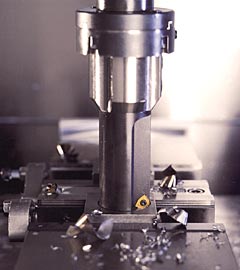
Expanding Possibilities and Self-Improvement: Turning Performance
Round-up of five recently introduced indexable tools: stub drill, universal nmilling cutter, center-cutting endmill, dovetail cutter and insert clamp.n

Software Solutions: Safety, Standards & Compliance
Tool management software is designed to help users of cutting tools get more control of their toolcribs. The article describes the types of tool management software available, the savings possible by utilizing software and includes comments from shop owners who've installed these systems.