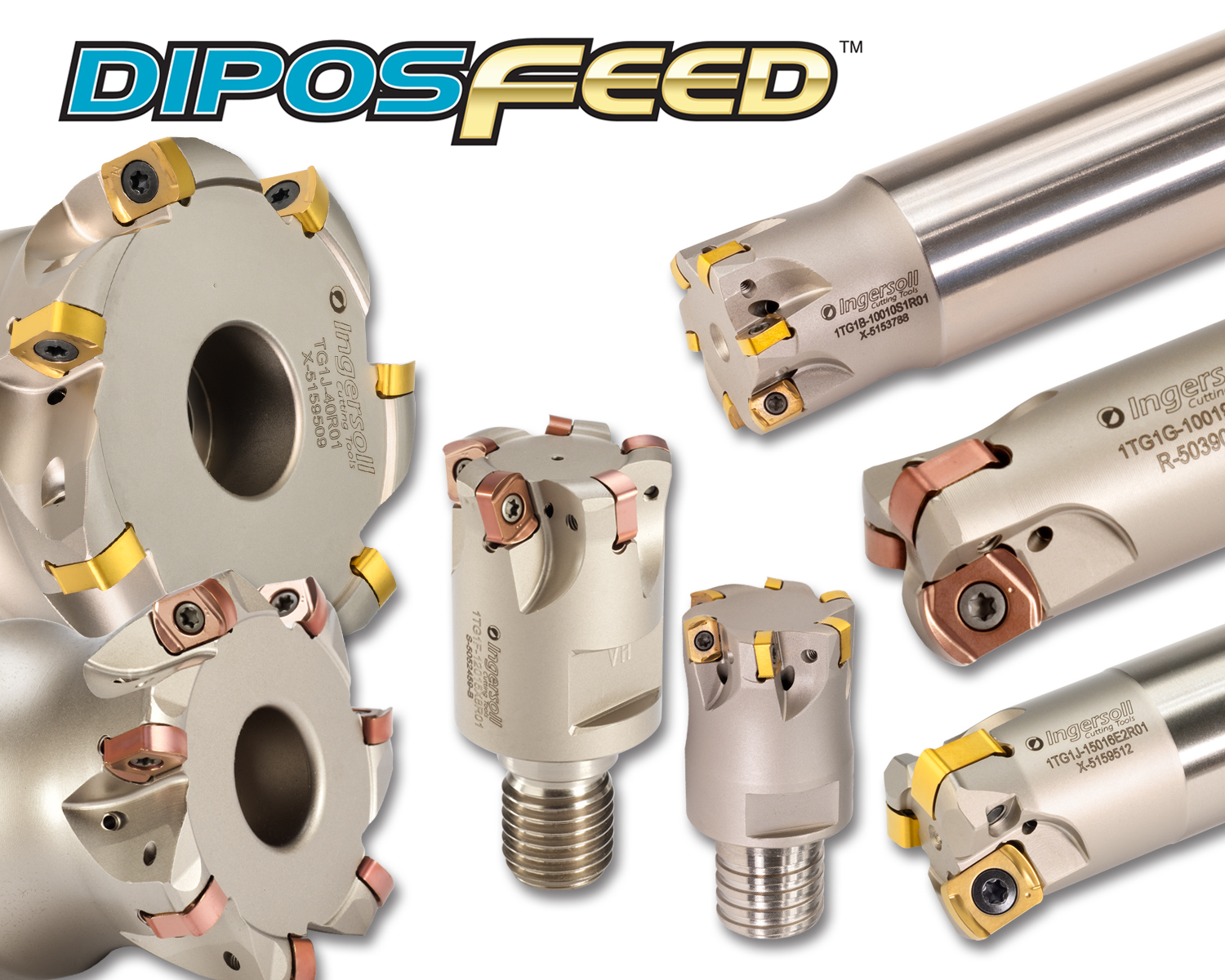
Key features include four insert sizes, grades for all materials, three different cutting-edge preparation options, super strong radius high feed insert geometry, fine and coarse pitch cutters. The 4mm, 6mm, 9mm and 11mm inserts offer depth of cut ranges of .5mm, 1mm, 1.5mm and 2mm, respectively.
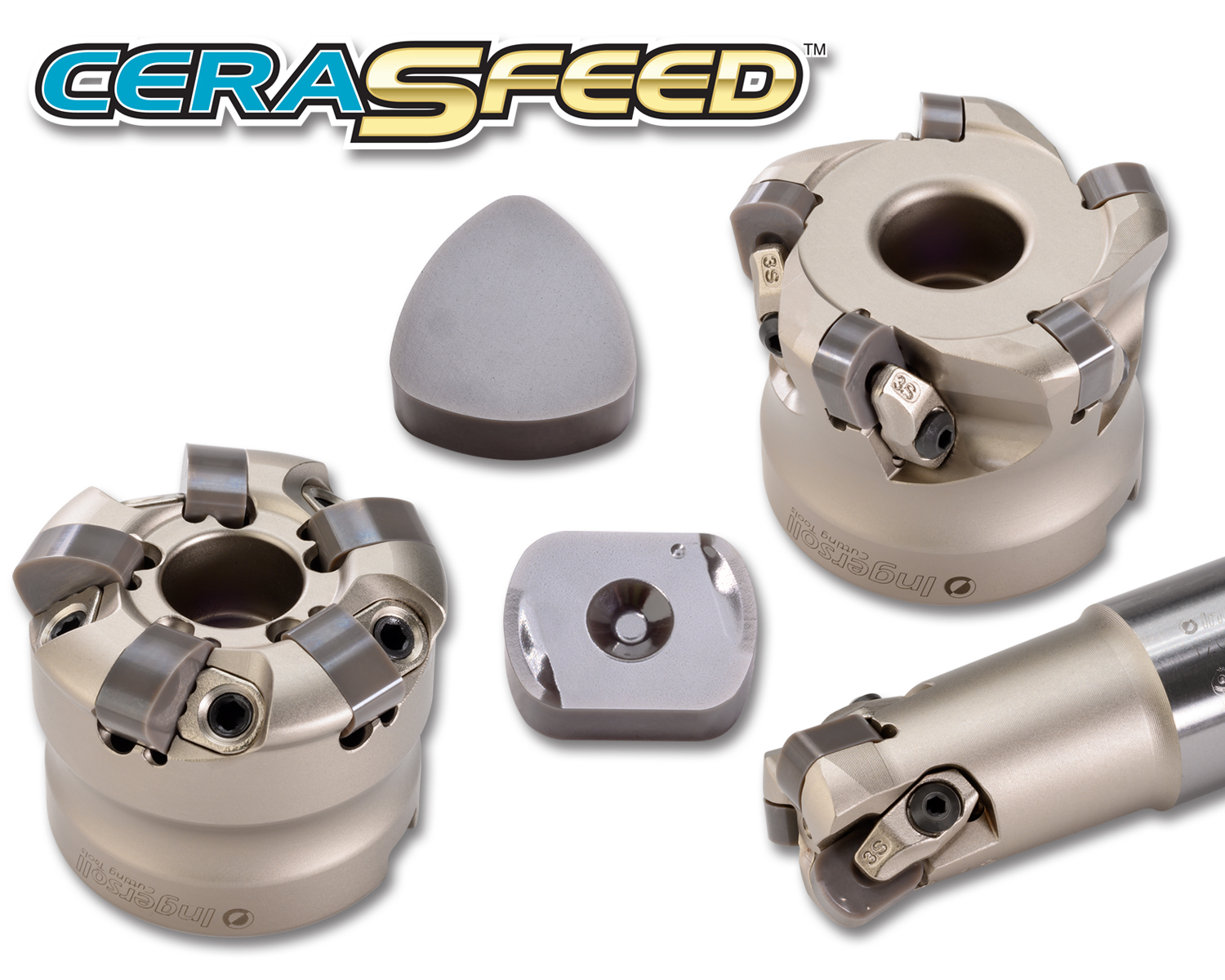
CeraSFeed features two unique double-sided indexable insert styles: LNXF09 and TNXN12. LNXF09 offers a 1.5mm depth of cut and 4 cutting edges. TNXN12 offers a 2.5mm depth of cut and 6 cutting edges. Both inserts are offered in grade IN76N, a highly engineered SiAlON ceramic grade having excellent high temperature thermal shock resistance, excellent toughness, and optimal thermal conductivity. n
Designed for extreme drilling in steels, Guhring's RT100 XF drill family delivers. The carbide grade developed for the RT100 XF balances hardness and toughness.
Star Cutter's NXT 5-axis Tool Grinder is a versatile 5-axis CNC machine, features a small footprint and a large grind zone. The machine can run small and large diameter wheels and is designed in a modular fashion that offers quick adaptation to application requirements.
Watch 2D Adaptive clearing paired with SwiftCARB's coolant through AV series Rampmill rip through aircraft grade aluminum @ 375 IPM on a Haas VF2-SS. ALL of our tools are proudly made in the USA.
Two technologies, one machine: The new VOLLMER VHybrid 360 combines the strengths of an innovative grinding machine and a proven powerful erosion machine. Allowing you to switch between the two functions in no time! Efficient processing and powerful machining of carbide tools with diameters of up to 50 mm.
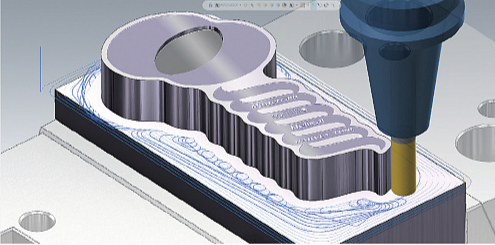
CNC Software Inc., Helical Solutions LLC and Makino Inc. — a software developer, cutting tool maker and machine builder, respectively — share the results of their joint R&D project that began with an email introducing a new high-efficiency six-flute endmill with a chipbreaker. This report is a video supplement to the Get With The Program column in the August 2021 issue of Cutting Tool Engineering magazine.
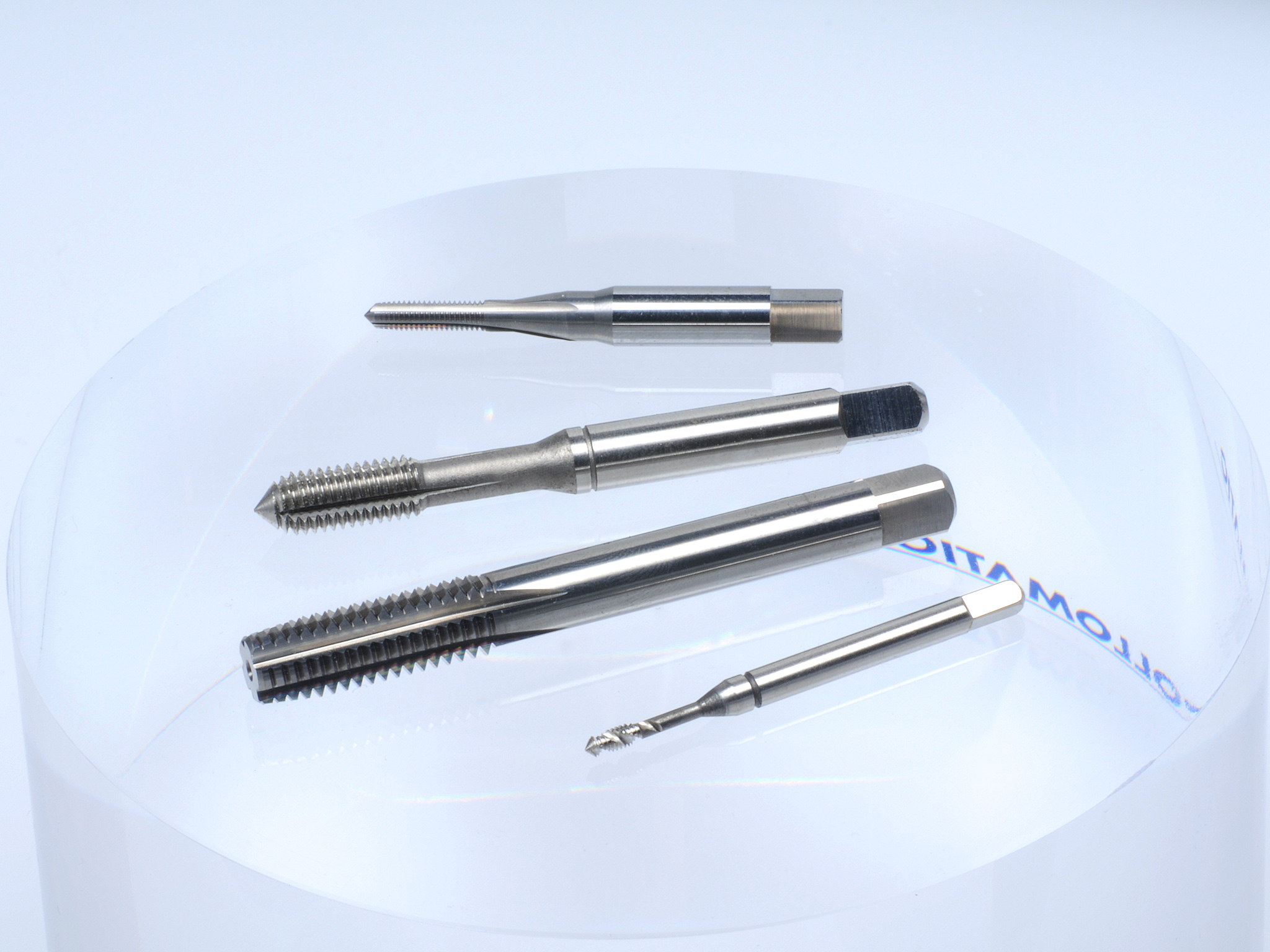
As the name suggests, cutting taps produce threads by progressively cutting away the space between threads into which the fastener's external threads will fit. Forming taps, by contrast, remove no material. Instead, they move or displace material inside the hole to build up the threads and dig into the grooves.