Skip to content
Editorial

Christopher Tate

Christopher Tate is the owner of Tate Engineering, a Natchez, Mississippi, firm that helps manufacturers solve efficiency problems. Tate, who earned master's degree in industrial technology from Mississippi State University, has 32 years of experience in the metalworking industry.

Christopher Tate headshot
Contributing Editor
Optional: narrow results to one content type.
Select one or more.
Select one or more.
Select one or more.
Select one or more.
Select one or more.
Select one or more.
Reset

Published content

Thin is in when cutting metal
Articles April 15, 2013 Christopher Tate
Thin is in when cutting metal
In last month's column, the Shop Technology column observed that chip thinning is one of the key concepts programmers and machinists should understand. Presented in this month's column is further discussion about how chip thinning can enhance productivity.
Boost cutting efficiency with training
Articles March 15, 2013 Christopher Tate
Boost cutting efficiency with training
Dynamic and aggressive cutting tool demonstrations are common at trade shows. Toolmakers present phenomenal displays, where chips spark and fly and machines move at feed rates that seem impossible. In other words, they demonstrate high-speed machining.
Cutting costs with tool reconditioning
Articles February 15, 2013 Christopher Tate
Cutting costs with tool reconditioning
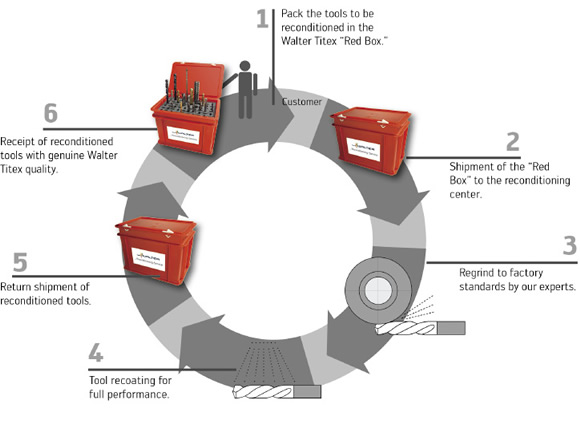
High-performance cutting tools can provide increased efficiency and productivity, but they can also be a drain on tooling budgets. Cost-justifying these tools often requires regrinding and reconditioning them when they are worn or damaged. A successful reconditioning program reduces tooling costs by extending life as long as possible.
Achieving flexible workholding: Turning Performance
Articles December 15, 2012 Christopher Tate
Achieving flexible workholding: Turning Performance
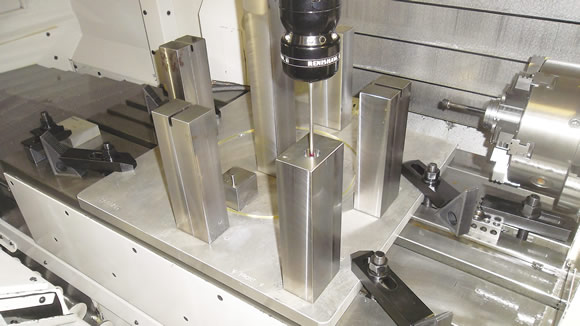
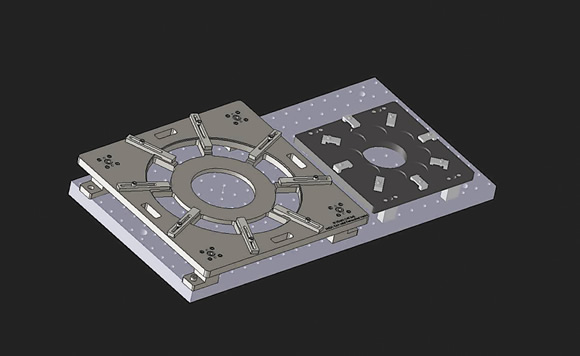
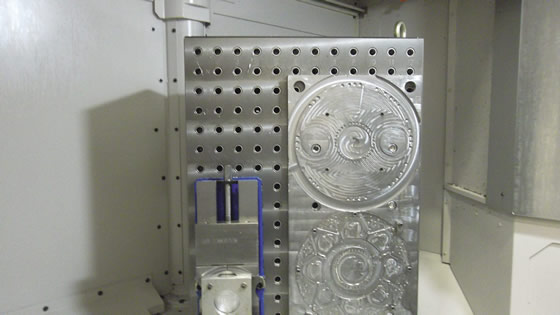
Combustion components from Mitsubishi Power Systems had never been built outside of Japan until Savannah Machinery Works opened its doors in November 2010. We were in the unique and challenging position of having to develop every manufacturing process from scratch while maintaining a tight production schedule.

1 10 11 12