Skip to content
Author

Dr. Scott Smith

Dr. Scott Smith is a professor and chair of the Department of Mechanical Engineering at the William States Lee College of Engineering, University of North Carolina at Charlotte, specializing in machine tool structural dynamics. Contact him via e-mail at [email protected] on the author to view all of their articles!

Dr. Scott Smith headshot
Optional: narrow results to one content type.
Select one or more.
Select one or more.
Select one or more.
Select one or more.
Select one or more.
Select one or more.
Reset

Published content

The basics of on-machine probing
Article December 15, 2013 Dr. Scott Smith
The basics of on-machine probing
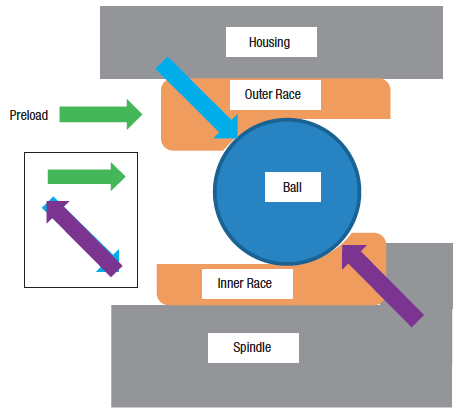
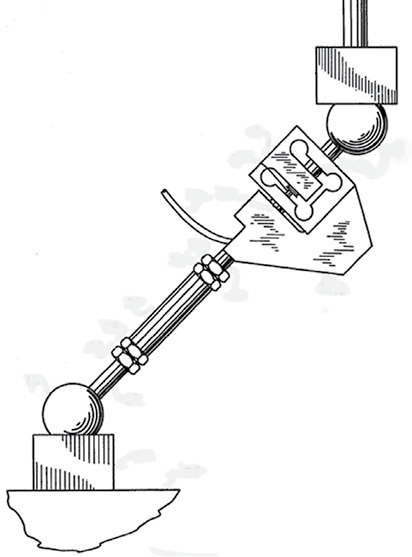
Many machine tools are equipped with touch-trigger probes to measure parts while they are still on the machine. The probe is often stored in the tool magazine and can be installed in the spindle like any other tool.
Minimizing Abbé machine position errors
Article July 15, 2013 Dr. Scott Smith
Minimizing Abbé machine position errors
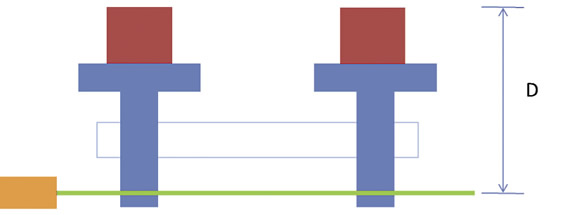
Two basic strategies exist to minimize the Abbé error in machine tools: eliminate the causes or compensate the result, according to the Machine Technology column in the July 2013 issue of Cutting Tool Engineering magazine.
Measuring performance in real time
Article March 15, 2013 Dr. Scott Smith
Measuring performance in real time
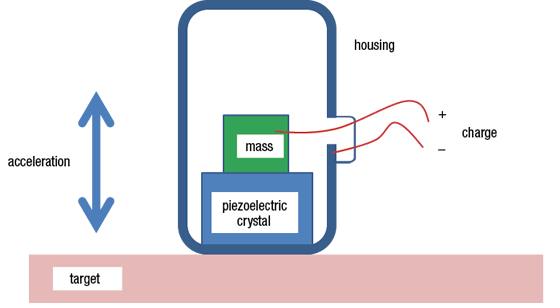
Real-time measurements during metalcutting can offer significant insight into machine tool performance. The parameters to be measured include position, velocity and acceleration of the axes; cutting force; sound; temperature; and acoustic emission, which is not the same as sound, but rather a high-frequency, structure-borne vibration.
The science of milling sounds
Article February 15, 2013 Dr. Scott Smith
The science of milling sounds
Milling sounds range from loud to quiet, and experienced machinists often use those sounds to judge what is occurring in the cutting zone. It is difficult to position a sensor such as an accelerometer or a displacement probe close to the cutting zone, and it is often a challenge to see the cutting zone, but the sounds are pervasive.

Keep reading