William Leventon is a contributing editor to Cutting Tool Engineering magazine. Contact him by phone at 609-920-3335 or via email at [email protected].
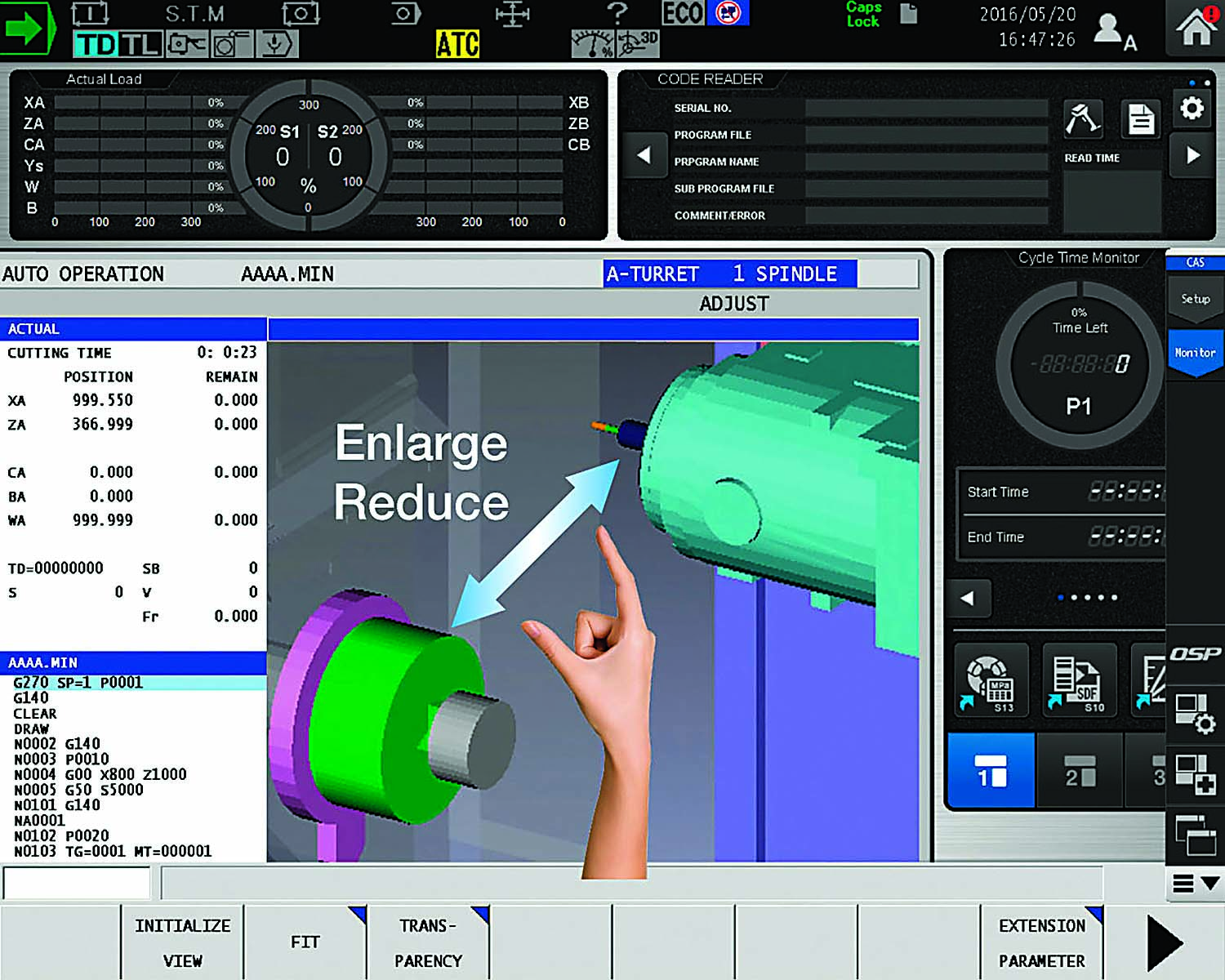
Advanced machine tool controls infused with artificial intelligence (AI) can learn about your machining processes. With this knowledge, a CNC can automatically take action that boosts machining speed and accuracy, as well as slash unplanned downtime for maintenance.
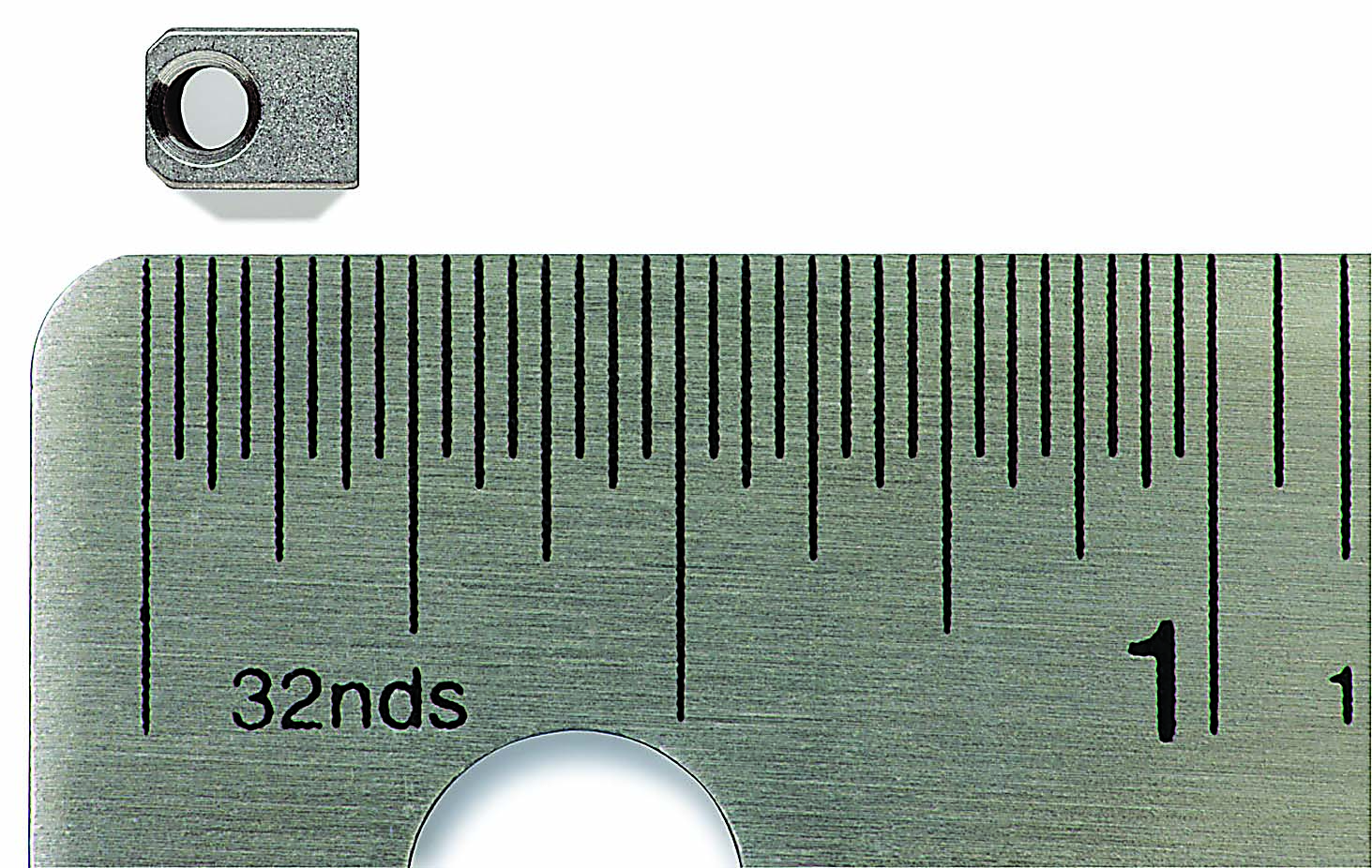
Though machining medical microparts presents many challenges, shops that tackle the task are meeting these challenges thanks to a combination of ingenuity and technology, along with a dose of effective machining practices.
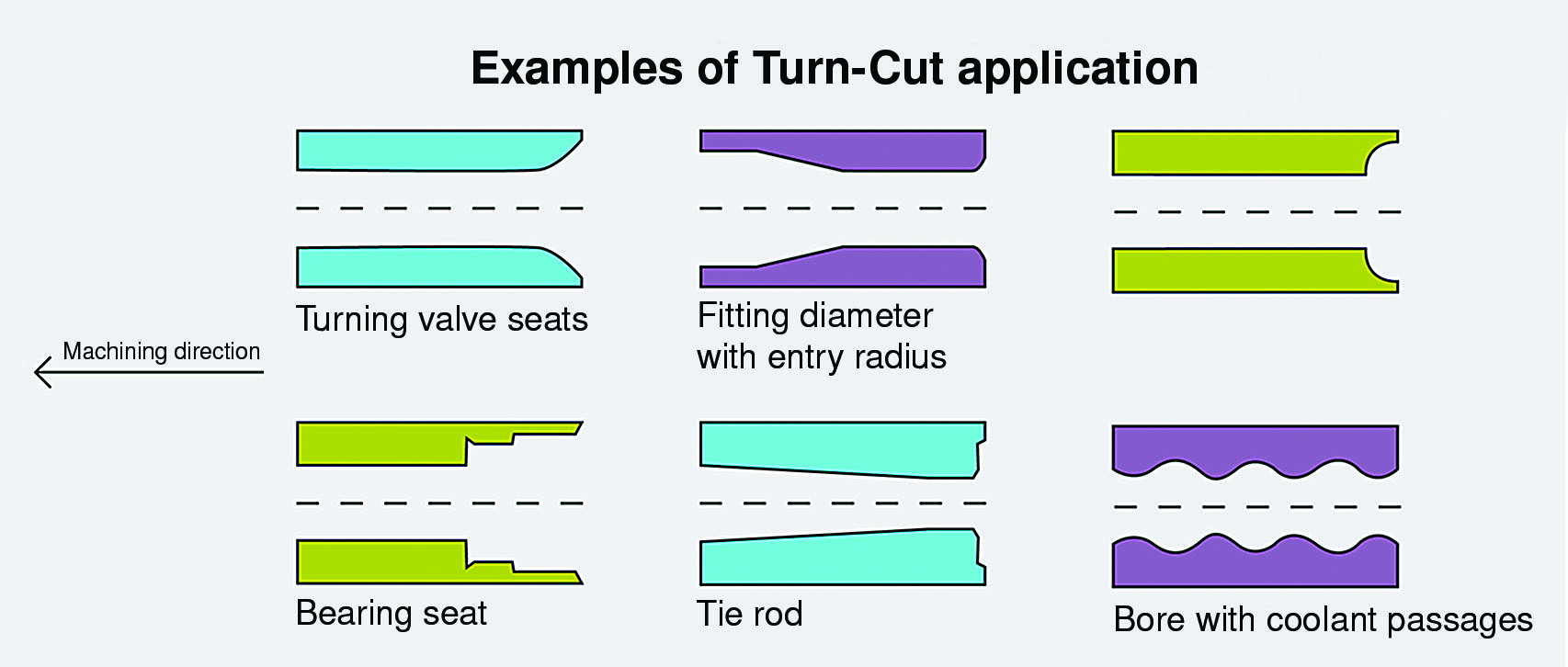
By packaging both turning and milling functions in a single machining center, machine tool builders believe they've hit on a winning combination that can boost part quality while also slashing cycle times, space and costs.
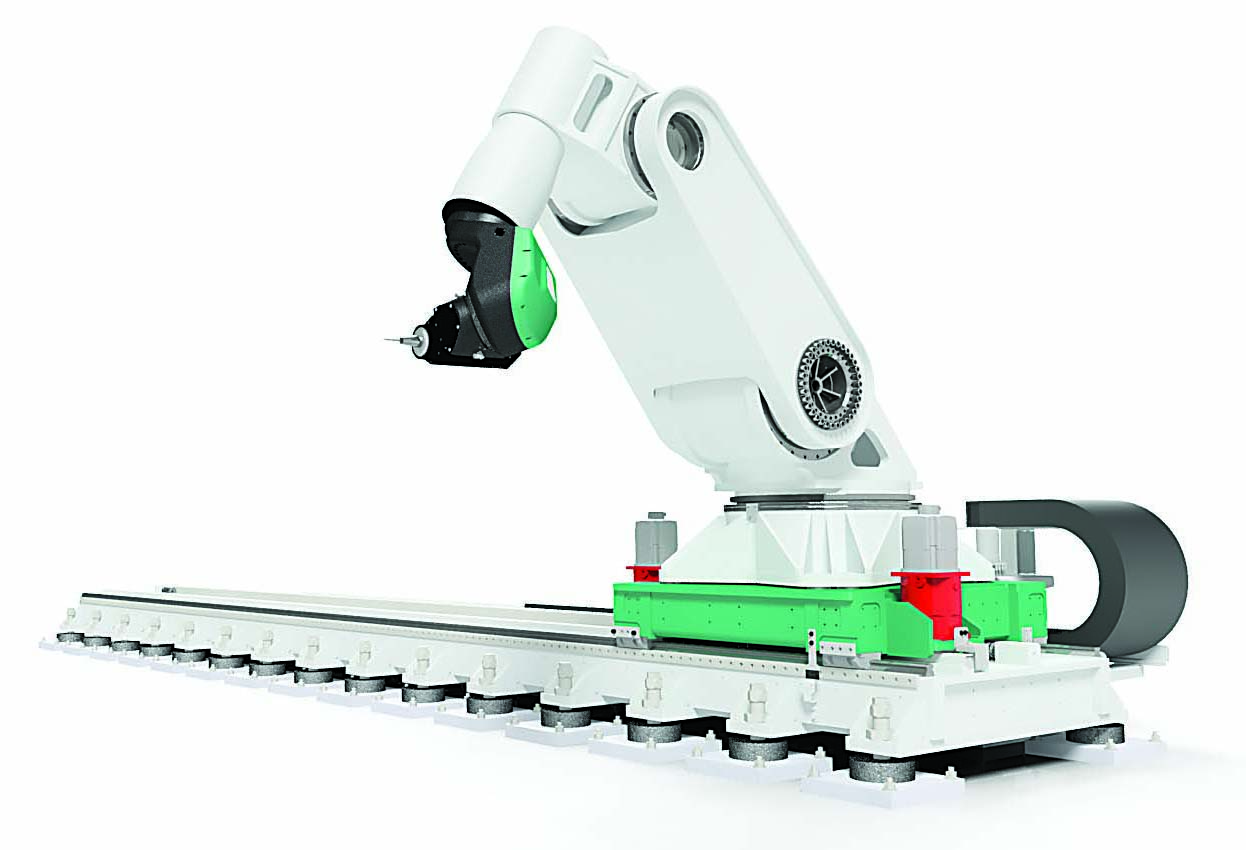
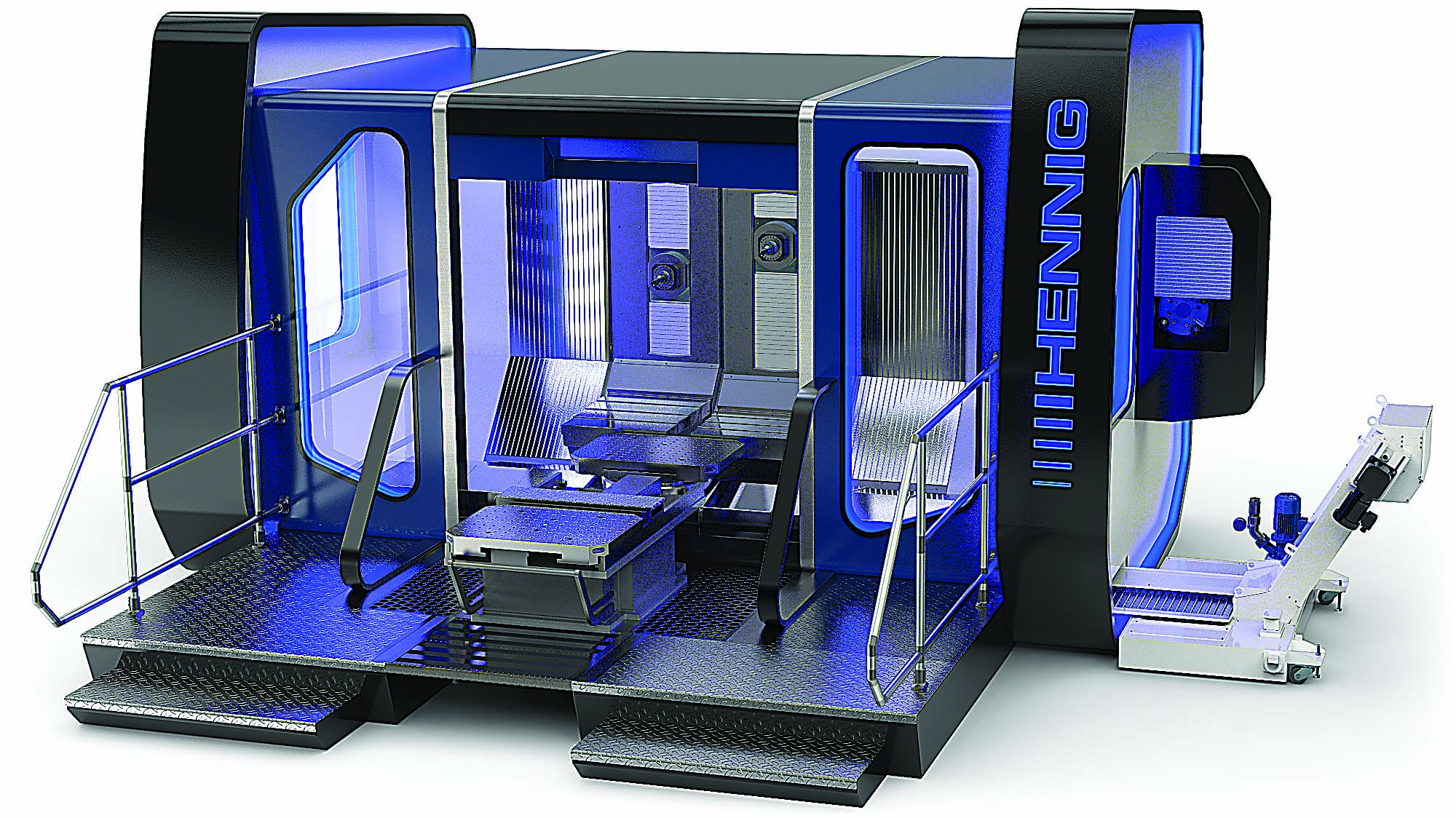
Part quality can suffer if a machine tool cannot hold tolerances uniformly everywhere in its "working envelope," the box-shaped region that defines a machine's 3D reach when cutting.
When CNC milling machines were conceived some in the metalworking industry asked why a computer couldn't also manage tool changes. That question was the impetus behind the development of the automatic toolchanger.