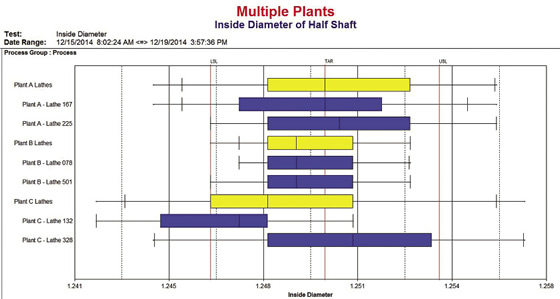
Most manufacturers have made great strides in optimizing operations. Many have even standardized multiple facilities with the same on-premise software to create consistency across the enterprise. However, no matter how many procedures are put in place, each plant has its own idiosyncrasies, making it nearly impossible for systems to communicate with each other.
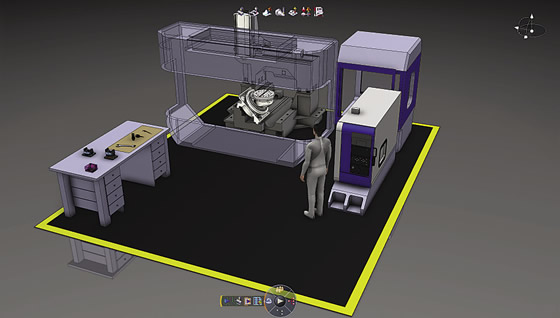
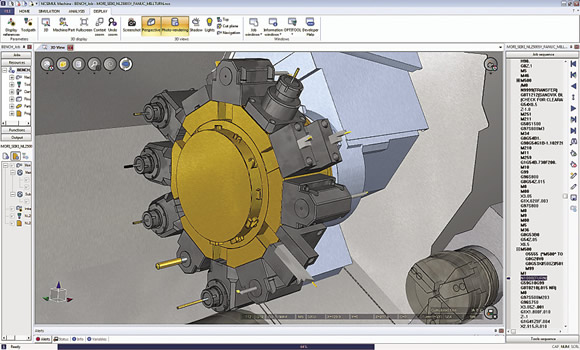
It's quite common for CAM software to come with built-in simulation to identify potential collisions and optimize virtual machining. However, most versions don't deliver the experience of programming in the context of the NC machine and instead rely on third-party machine simulation to connect the processes.
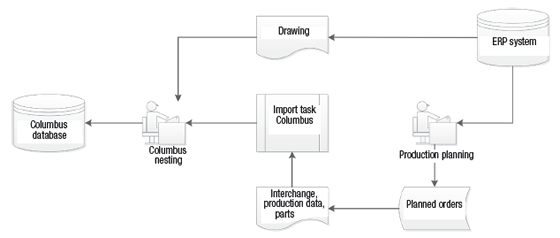
The Get With The Program column in the July 2014 issue of Cutting Tool Engineering magazine delves into integrating automated nesting into production work flows.
The digital revolution has impacted everyone. As is typical with a disruptive technology, expected cost savings drive initial adoption. But, over time, far greater impact is achieved once the new technology is better understood. For example, the Internet and e-mail have dramatically reduced the volume of mail carried by the U.S.
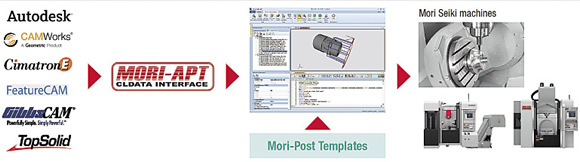
When people ask why it's important to select a high-quality post-processor, I always liken it to building a house, reports Surya Kommareddy, with DMG / Mori Seiki USA Inc. in this month's issue of Cutting Tool Engineering.
When management smiles down upon CAM initiatives, shops can realize numerous benefits, according to the Get With The Program column in this month's Cutting Tool Engineering magazine.
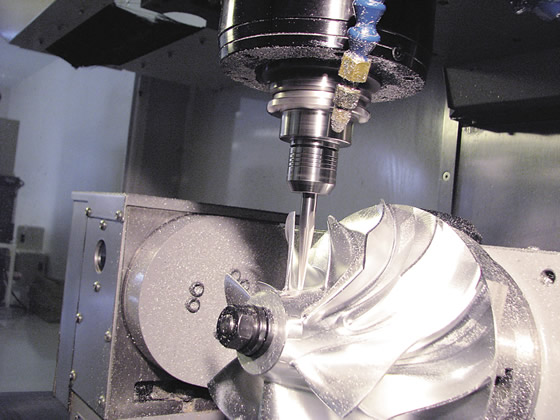
If you're new to 5-axis machining, simulation software can help you efficiently set up a post-processor and verify the strategies coming from the CAM system, according to this month's Get With the Program column.