Resources
Blind Resources
Explore 35 published CTE resources related to Blind across 4 articles, 25 products, 2 videos, and 4 news items.
4
Articles
25
Products
2
Videos
4
News
Articles
4 articles
Products
25 products
Videos
2 videos
News
4 news items
Browse
Browse all Blind resources
Browse results
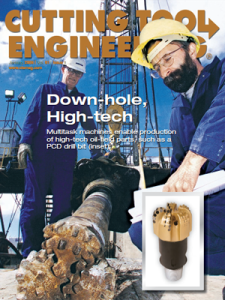
Should You Try Dry?: Drilling Performance
Cutting without metalworking fluid is looking increasingly attractive to U.S. shops hit with the high cost of fluid maintenance and disposal. This article discusses the benefits and drawbacks of dry machining and outlines the tools and equipment needed to machine successfully without the benefits of a coolant or lubricant.
The High Speed Aluminum Challenge
When shops crank up the speed, they have to be prepared for the consequences, even if they're milling "easy-to-machine" aluminum.

Hole in One: Drilling Performance
Solid-carbide drills made with advanced submicrograin carbide are capable of producing holes that meet tight specifications without secondary operations. This article explains how these tools produce reamer-like finishes while offering extended tool life and shortened cycle times. An accompanying article discusses coatings for solid-carbide drills.
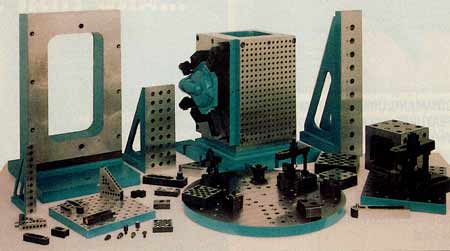
The Flexibility of Modular Fixturing
Modular fixturing offers a flexible and reusable alternative to dedicated fixtures. This article discusses the benefits of modular fixturing and the types of jobs for which a modular system makes economic sense. A description of typical modular fixturing components and how they are used is also provided.
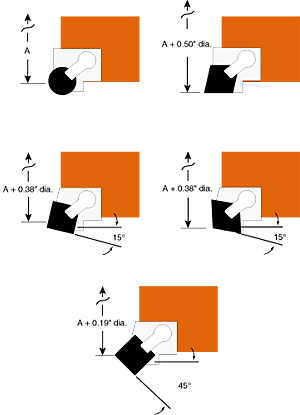
Ceramics Get Tough: Turning Performance
Improvements in cermet and ceramic inserts have made them a good choice for high-speed milling. This article describes how the compositions and designs of these newer inserts make them tough enough to withstand the punishment of a milling operation while maintaining the hardness that makes them wear-resistant.
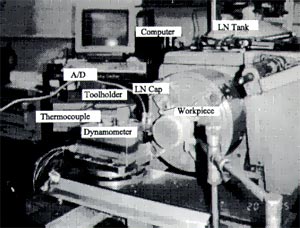
Beyond Cool: Turning Performance
Researchers tried bathing inserts in liquid nitrogen to keep them cool while cutting hard-to-machine materials. This article reports the results of this experiment. It shows how the use of cryogenic coolant can keep temperatures down and prolong tool life while machining titanium aluminum vanadium and reaction-bonded silicon nitride.
Milling Sculptured Surfaces
Researchers at Ohio State University produced contoured cuts with different ball mills to determine the best tool material and coating for the job. This article reports their findings and offers recommendations for extended tool life when milling molds and dies.

High Performance at High Speeds
The economic benefits of high-speed machining can be lost if the wrong tools are used. This article describes the types of solid-carbide drills and endmills that can ensure long-running performance. It also covers the proper handling and setup of these tools.

Presetters Produce Profit
There are a variety of presetters on the market. All reduce machine downtime by allowing shops to set up tools offline. This article discusses the different presetter types and the impact that these differences will have on the instrument's price and functionality.
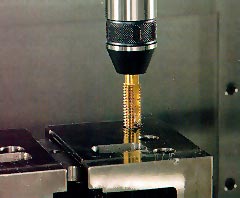
New Twists on Threading: General Industry Coverage
The advent of CNCs made new threadmaking technologies practical. Among these technologies are rigid tapping and thread milling. This article describes the uses, techniques and benefits of these two threadmaking methods.
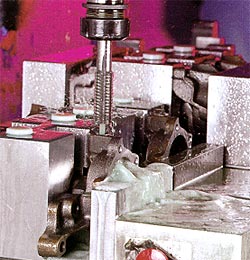
Rigid Rules: General Industry Coverage
There are some tapping situations that call for a rigid tapholder and some that call for a length-compensating holder. Often the choice depends on the capabilities of the machine and the CNC driving the tap. This article discusses why a machinist might choose one type of tapholder or the other.
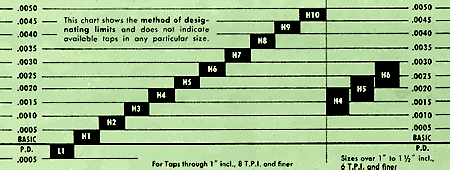
The Good, the Bad and the Retapped
Internal threads can end up undersized because of the work material's properties or because of changes to the hole's dimensions caused by plating or heat-treating processes performed after tapping. This article explains H- and D-limits and how to use them to specify a tap that will produce the right size thread, regardless of any post-tapping operations.