As 2017 winds down, economists and experts agree that manufacturing has had a good year and growth should continue throughout 2018 in the U.S. and globally.
If your shop makes parts that demand multiple setups, parts that have challenging geometry or parts with difficult GD&T requirements, 5-axis machining could provide significant benefits. Do not let the potential cost of the investment prevent you from conducting a thorough cost analysis of your current machining methods.
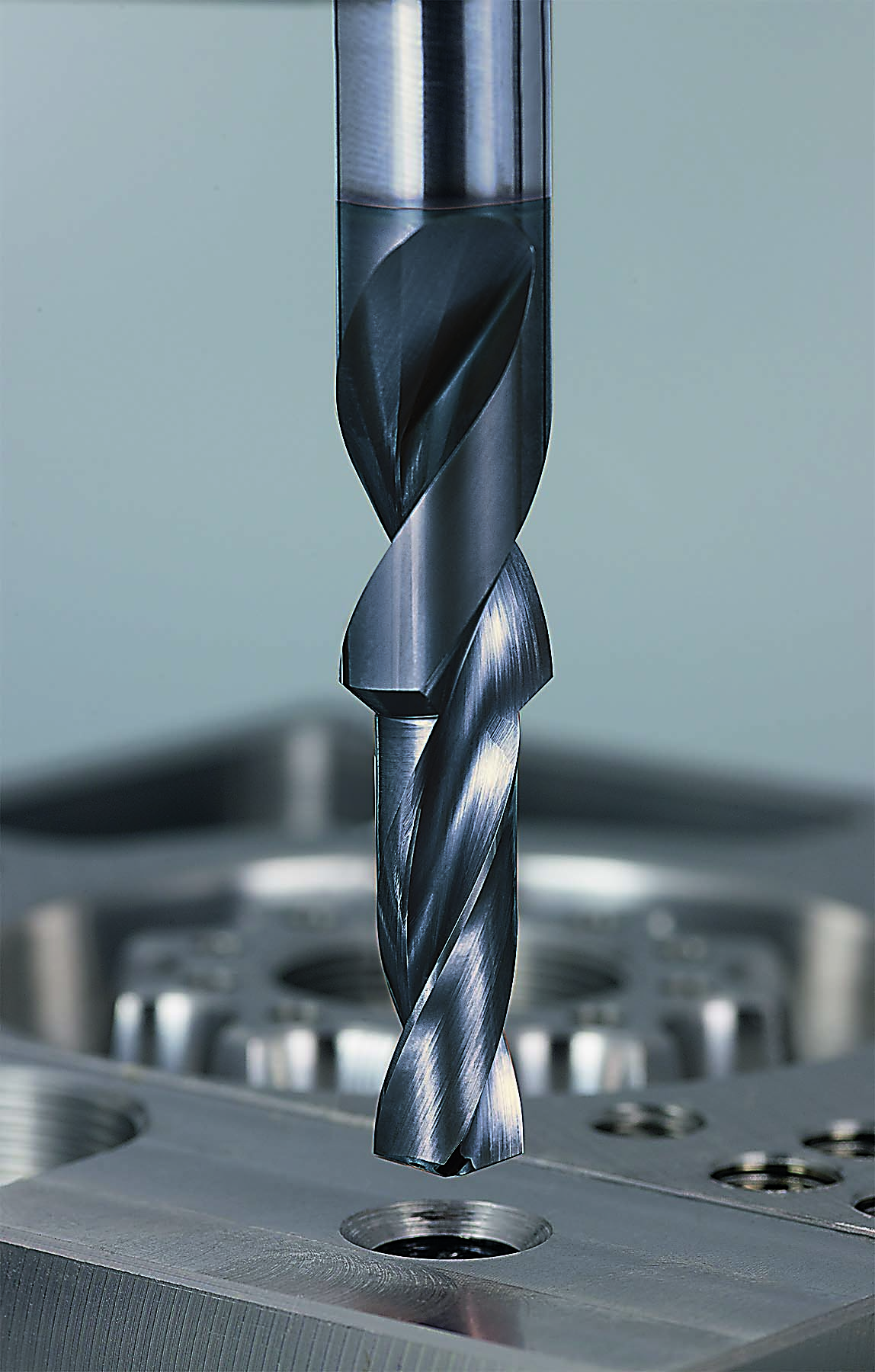
Chamfers and countersinks help control burr formation, improve thread starts, and protect hole quality. This guide explains where each operation fits and how tooling choices affect results.
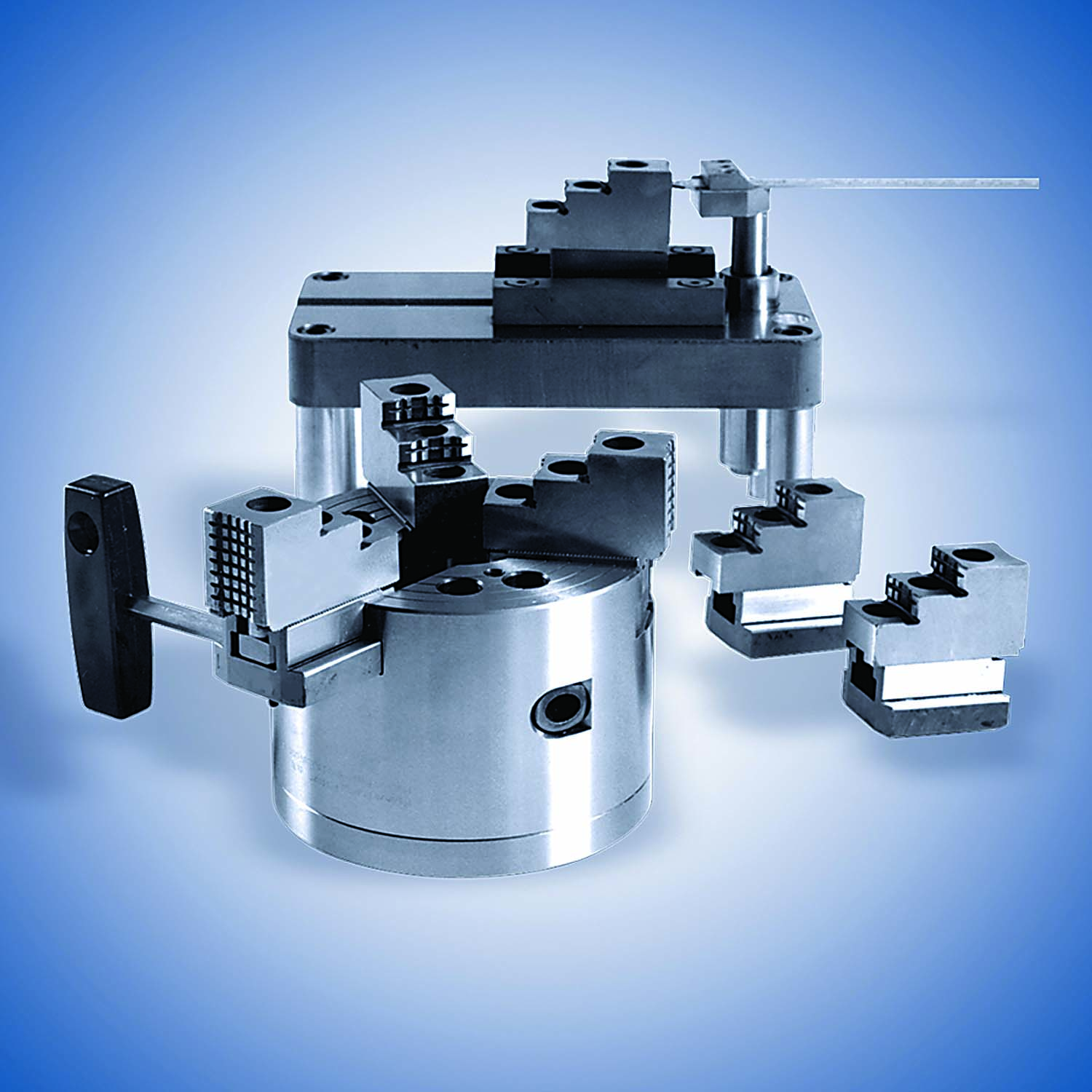
Modular fixturing at its best offers the stability and accuracy of dedicated workholding with the flexibility to be reconfigured quickly for a variety of parts. But sometimes compatibility issues arise.
The benefits of presetting are somewhat intangible; it takes a little digging to actually understand how much time is spent manually setting tools and what impact that has on shop throughput and profitability.
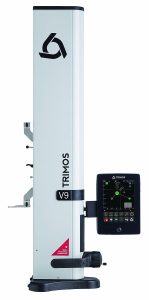
Measuring machined parts on a surface plate has long been a tedious job, one that requires mastery of dial indicators, a pocket calculator and an adjustable height gage that most in the industry refer to as a "Cadillac gage." But several metrology providers offer a more sophisticated way to quickly and accurately check hole diameters, the distance between part features, centerlines and more.
Like a broken record, decision-makers at parts manufacturers continually hear that monitoring machine tool utilization rates helps improve productivity. That's true, but the phonograph needle frequently skips over three other benefits of machine tool monitoring.
Maintaining constant cutting forces provides a constant radial tool engagement throughout the entire cut, which eliminates spikes in the cutting forces. This approach allows the programmer to take a larger axial DOC while simultaneously maintaining a high feed rate and extending tool life.
With its new EOS M 290 additive-manufacturing system, Indiana Technology and Manufacturing Cos. (ITAMCO) now 3D-prints medical devices. After obtaining the system in June, the company started shipping components in August.
Machining Inconel 718 and similar heat-resistant superalloys (HRSAs) at cutting speeds normally reserved for aluminum is not only possible but becoming an accepted practice at some aerospace OEMs.