Skip to content
Magazine Column

Feature Article

Select one or more.
Select one or more.
Select one or more.
Select one or more.
Reset

Latest in Feature Article

Three steps to optimizing machining
Articles September 15, 2017
Three steps to optimizing machining
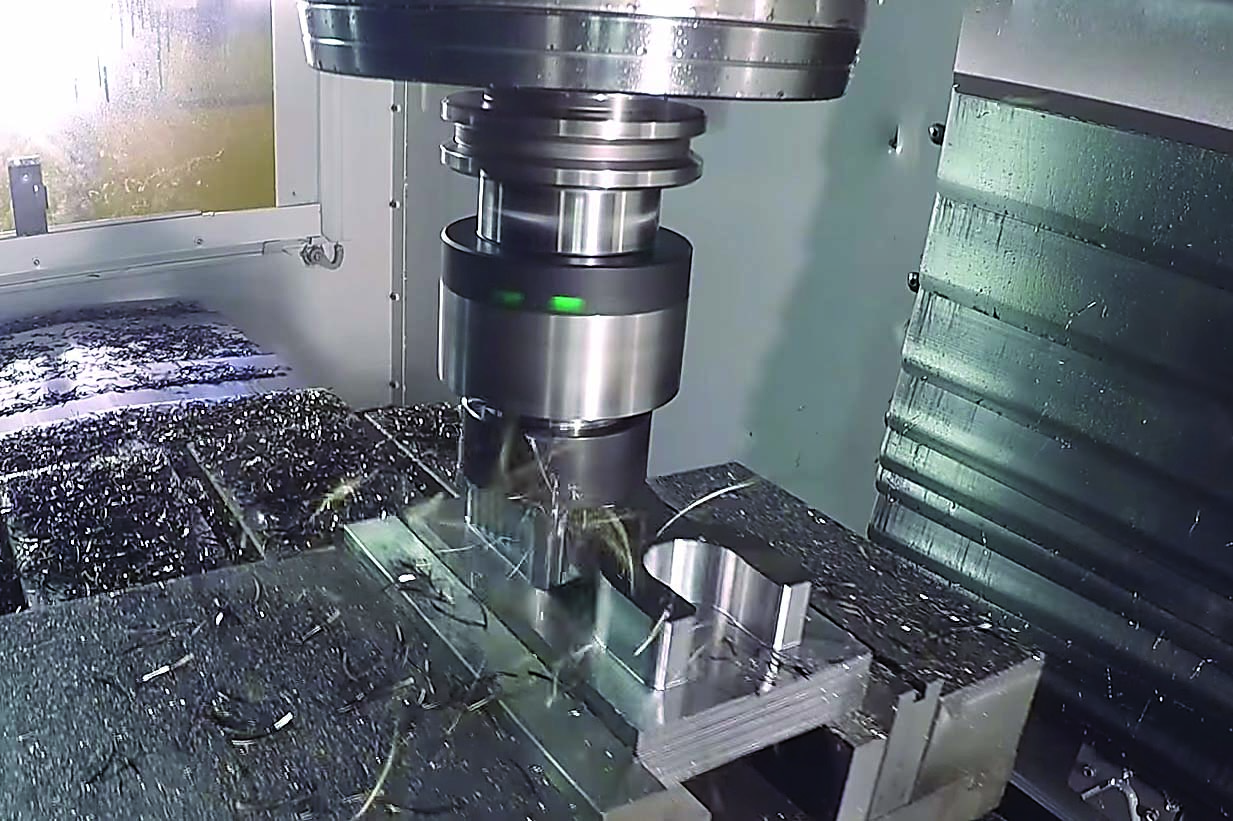
To profitably machine high-quality parts, many manufacturers follow a similar path, beginning with tool selection and application and then solving any problems that arise in a reactive way. However, research suggests that manufacturers should examine the entire machining process before cutting begins, focusing on eliminating rejected parts and unforeseen downtime.
No-cost thread mill program generators
Articles September 15, 2017 Michael C. Anderson
No-cost thread mill program generators
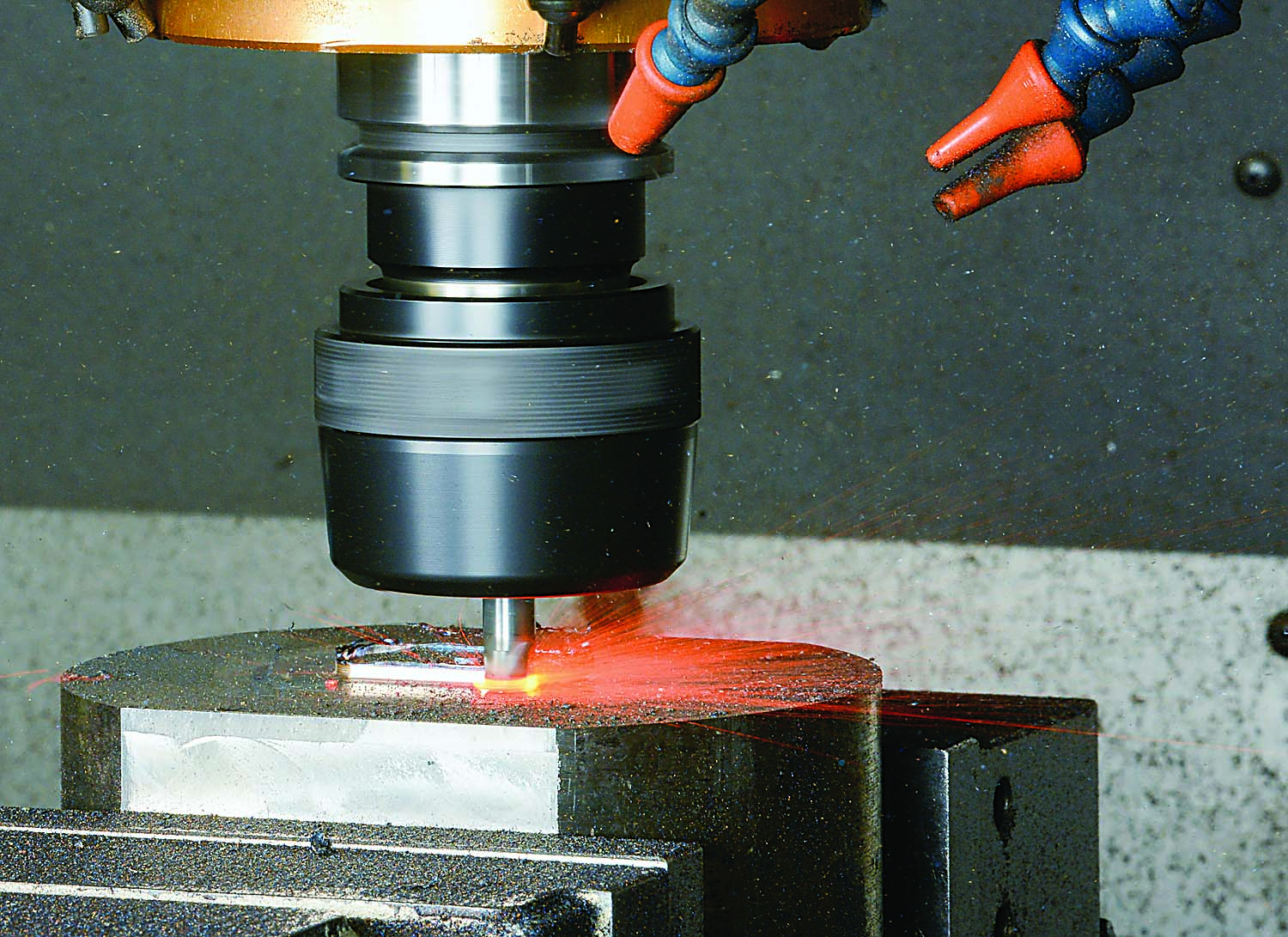
Numerous toolmakers provide free programs that will automatically generate G code for a specific thread milling application. The programs vary in sophistication and in whether they are online-only or downloadable, but all are useful tools. Among the suppliers of these apps are Scientific Cutting Tools Inc., Simi Valley, Calif.; Guhring Inc., Brookfield, Wis.; and Kennametal Inc., Pittsburgh.
How to keep from scrapping parts
Articles September 15, 2017
How to keep from scrapping parts
Scrap happens. By scrap, I mean parts that are out of tolerance and, therefore, useless. Unlike other by-products of the manufacturing process, such as chips, shavings and drops, you generate scrap only through mistakes. nnSo the challenge of reducing scrap comes down to preventing mistakes.
3D-printed bone drill improves surgeries
Articles September 15, 2017 Patrick Kuhlemann
3D-printed bone drill improves surgeries
Metal laser melting has made possible a number of groundbreaking developments in the medical field. One example is a 3D-printed bone drill that, unlike some traditionally manufactured drills, is designed not to damage tissue during surgery.
Choosing a parts-marking method depends on the application
Articles August 15, 2017 Michael C. Anderson
Choosing a parts-marking method depends on the application
Until a couple of years ago, the Food and Drug Administration required a unique identifier on each distinct assembly of a medical device in human- and machine-readable forms. That rule has changed. Now, every individual component in an assembly must be marked as well. Traceability is becoming more and more prevalent, not only in the medical device sector but throughout manufacturing.
Factors affecting proper coolant application when grinding
Articles August 15, 2017 John A. Webster, Ph.D.
Factors affecting proper coolant application when grinding
Grinding is a thermally dominated process, meaning a high percentage of process heat initially enters the part before coolant quenches it. Unless the coolant is applied at the correct flow rate and pressure, and the proper input conditions are selected, this process can lead to undesirable rehardening burn, thermal softening and tensile residual stresses.
Lessons learned from threading nuts, bolts for gas turbines
Articles August 15, 2017 Christopher Tate
Lessons learned from threading nuts, bolts for gas turbines
Spindle bolts are made from difficult-to-machine, high-strength superalloys. They have very tight dimensional tolerances, which makes thread cutting a challenge. As a result of facing several thread-cutting problems during process development, we have learned important lessons at Mitsubishi.
Process creates steel that’s a-peeling
Articles August 15, 2017 Kip Hanson
Process creates steel that’s a-peeling
If you've ever watched a bar of red-hot metal emerge from the furnace at a rolling mill, you might wonder how that scaly chunk of material became the smooth, shiny and accurate length of steel you just loaded into a lathe's bar feeder. Machinists know it as cold-finished bar stock. It got that way thanks to a process known as bar peeling.
CAD/CAM software for ultraprecision machining
Articles August 15, 2017 Kip Hanson
CAD/CAM software for ultraprecision machining
The primary application for ultraprecision machining is optical-grade surfaces for injection molds, which are used to make contact lenses, LEDs for TVs and head-up displays in military aircraft and luxury cars.
Explosive deburring ideal for complex parts
Articles August 15, 2017 Alan Richter
Explosive deburring ideal for complex parts
Machining manifolds generates numerous burrs, and removing them is no simple task. Basin Precision Machining attempted a variety of deburring methods, including waterjet, kinetic energy and the thermal energy method (TEM).

Keep exploring

1 39 40 41 42 43 148