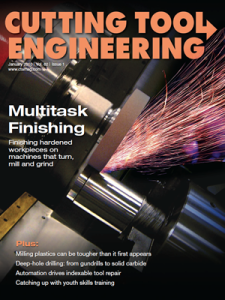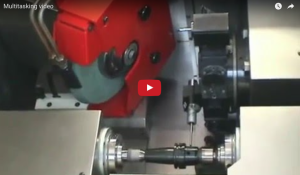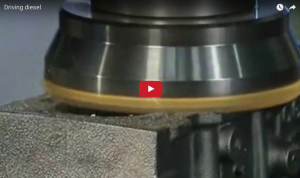
A Studer brand S242 machine, which combines hard milling and grinding, is shown hard milling a toolholder without coolant, then grinding the holder's taper with coolant to achieve the required surface finish.
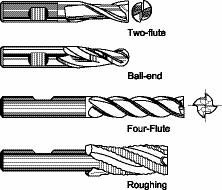
An array of milling tools is available, including endmills, facemills and plain mills. Typical milling applications include facing, filleting or edge cutting, profiling, slotting, pocketing and blind slotting.
In recent years, monolithic machined aluminum components have been replacing sheet metal assemblies throughout the aerospace industry. The monolithic structures are lighter, less expensive and stronger than their conventional sheet metal counterparts. Machining the components requires fewer special tools, fewer hand operations and less assembly time.
Watch Sandvik Coromant Co.'s CoroMill 365 cutter mill an engine blockmade of compacted graphite iron in this online complement to our September CTE cover story.
The creation of a part program for a CNC machine tool usually starts with a part drawing or model that contains the part material, geometry and tolerances.
Unlike lathes, which have been around for thousands of years, milling machines are less than 200 years old. Because they require much more power than hand-driven lathes, the introduction of milling machines had to wait for the invention of industrial water and steam power.
Applying "off-the-shelf," standard milling tools to get the job done provides several benefits: the tools are readily available and usually from numerous suppliers, their prices are competitive and the results are predictable. Nonetheless, even with a multitude of standard tools available for nearly every milling application, parts manufacturers often require specials engineered for a specific application.