



Resources
Why Resources
Explore 121 published CTE resources related to Why across 47 articles, 19 products, 20 videos, and 35 news items.
47
Articles
19
Products
20
Videos
35
News
Articles
47 articles
Products
19 products
Videos
20 videos
News
35 news items
Tungaloy responds to rising carbide costs
BIG Daishowa Hosts Breakfast & Learn Event
ZOLLER Open House Focuses on Integrating Success
The power of density determination in additive manufacturing
5 reasons why CFexpress is the future of industrial memory cards
Tricks and techniques for specifying surface texture parameters
Browse
Browse all Why resources
Browse results

Dorner Manufacturing Corp. appoints regional sales manager
Scott Lister has been appointed regional sales manager covering Texas and Louisiana for Dorner Manufacturing Corp., Hartland, Wis.
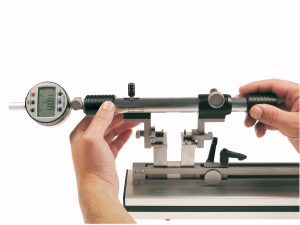
Multimar 844 S Bore Gage Setting Tool
A new bore gage setting tool from Mahr Inc. makes setting up adjustable indicating instruments, such as Mahr's 844 N adjustable bore gage and 844 T universal ID/OD gage, quick and accurate. The Multimar 844 S bore gage setting tool uses gage block combinations and a simple hand clamping mechanism to set instruments in either the horizontal or vertical position.

GapGun Laser Measurement System
Third Dimension says its laser measurement system, GapGun, has proved so valuable to quality inspection at Bombardier they have bought additional GapGuns for use on two London rail services. Bombardier is using GapGun to assist quality inspection for the production of 66 train carriages - on order for Transport for London's Elizabeth line service - and is now planning to use the system on 45 carriages for the LoTrain project for London Overground.
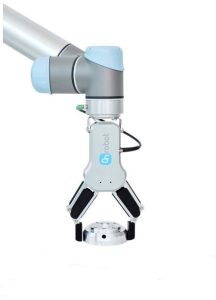
RG6 Gripper for Collaborative Robots
On Robot launched a flexible and energy-efficient gripper for cobots tasked with handling objects of various sizes. Easy to install on the arm of a cobot and simple to program, the RG6 is a bigger and stronger version of the company's popular RG2, with reportedly higher payload than other two-finger collaborative grippers available on the market.

Private Labeled Advanced Optical Cleaning Kits
An advanced optical cleaning kit is being offered for private labeling to manufacturers and distributors of lasers, cameras and other types of vision systems by Laser Research Optics.
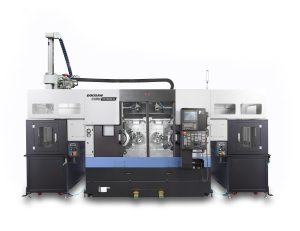
PUMA TW 2600/M-GL Turning Center
Doosan Machine Tools America introduces the PUMA TW 2600/M-GL to its lineup of high-productivity turning centers. The PUMA TW 2600/M-GL is a high-performance, 10-inch class, two-spindle turning center with an integrated gantry loader.
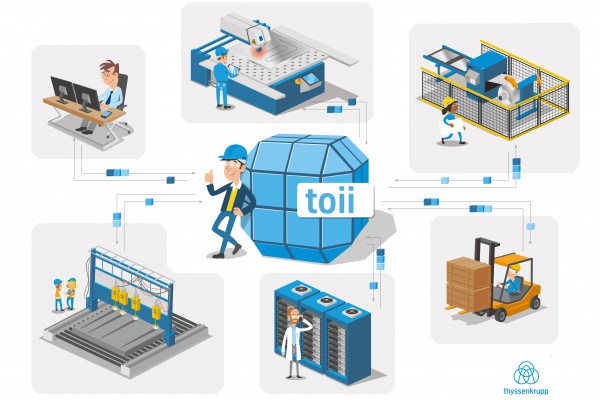
IIoT Platform ‘toii’
A milestone for the digital transformation: thyssenkrupp connects the machinery of the materials division via a new digital platform. Thanks to toii Industrial Internet of Things platform, all machines can communicate with each other. Due to predictive maintenance, the platform is also supposed to forecast the necessity of machine services in the future.
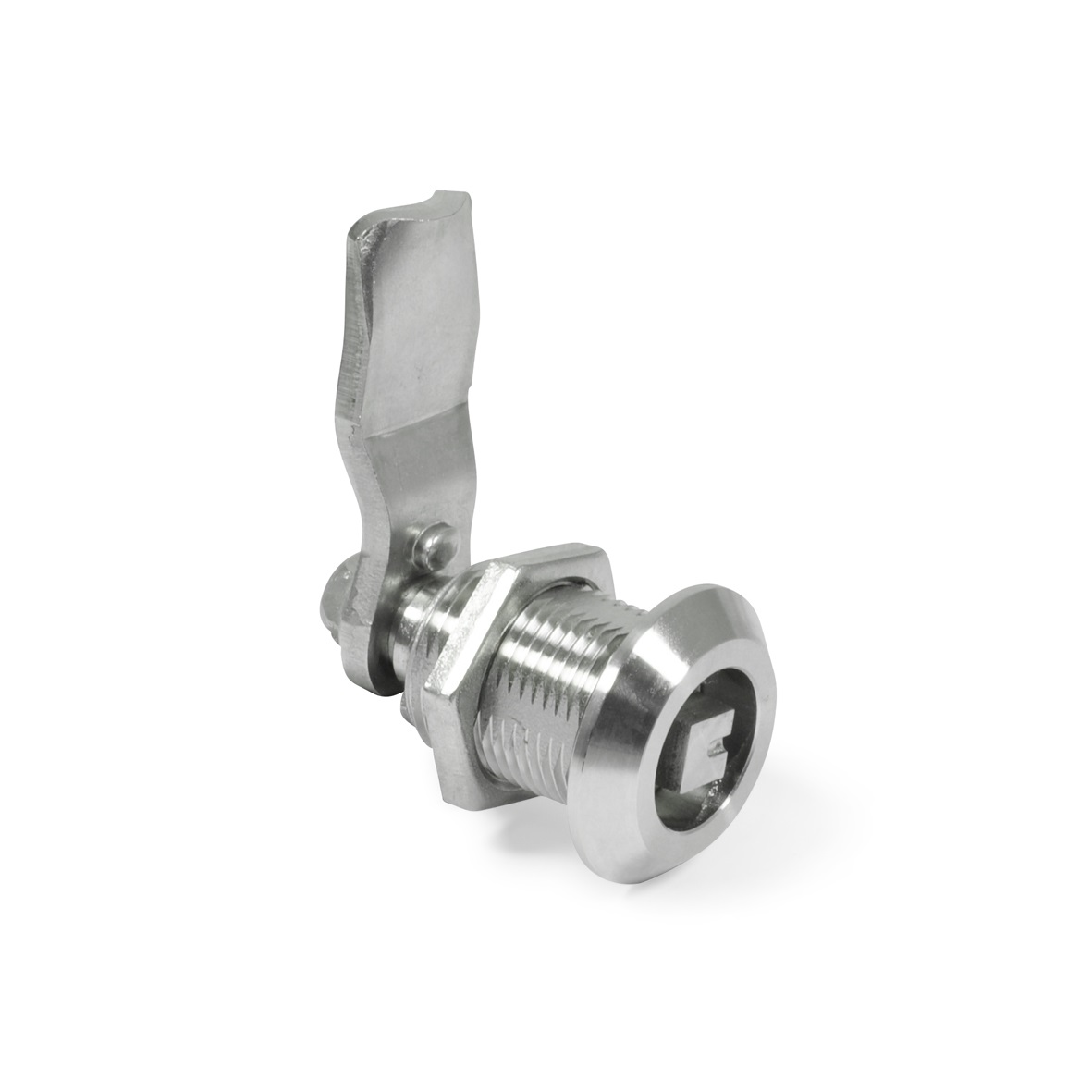
GN 516.5 Metric Size, Stainless Steel Compression Latches
J.W. Winco Inc. offers GN 516.5 metric size, stainless steel compression latches. The RoHS-compliant compression latches have a closing mechanism that transfers the rotary movement of the operating element (key) into a 90° turn and then into a 6 mm linear stroke.
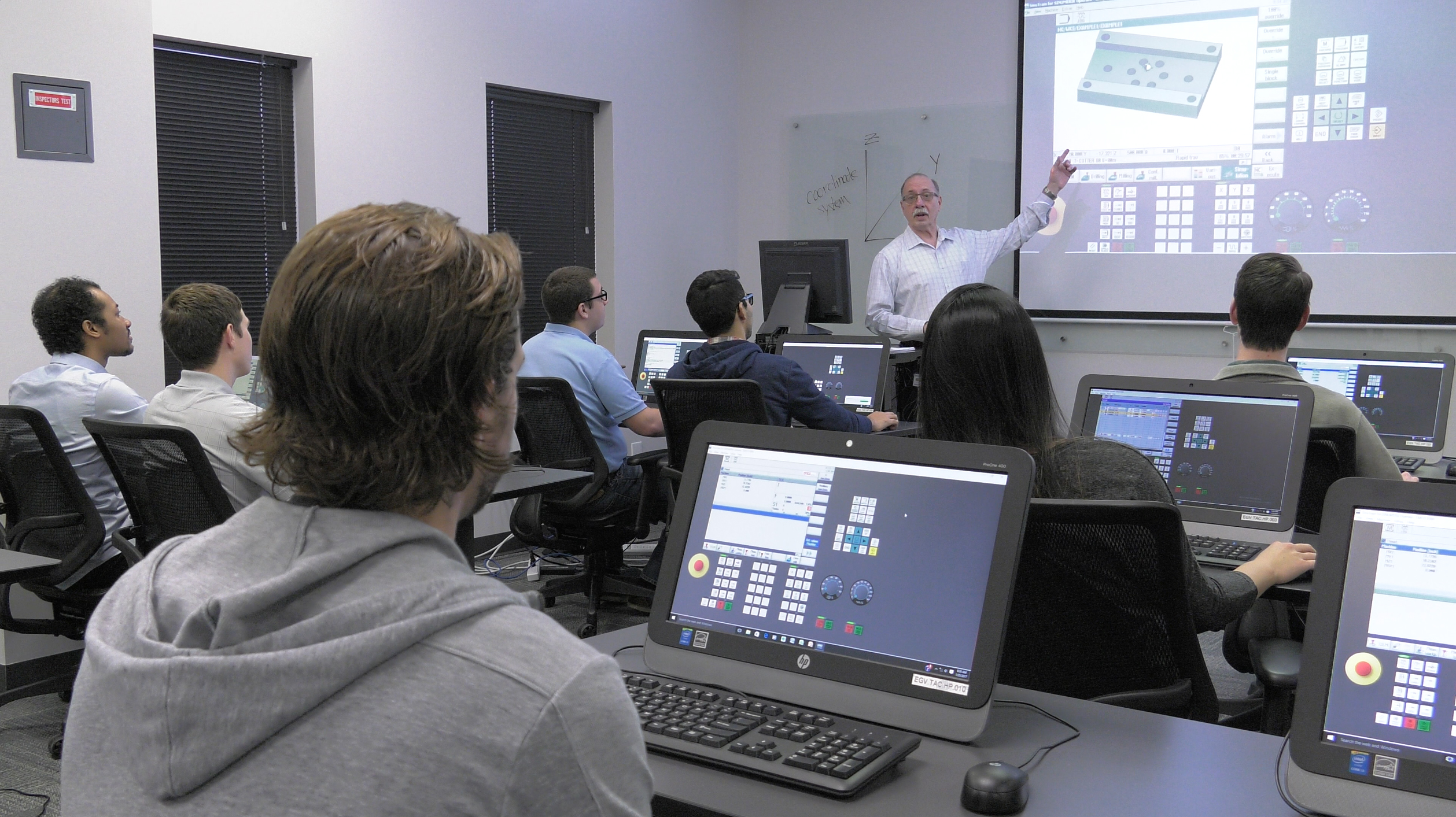
Siemens AG expands Technical Application Center
With digitalization and rapid changes in technology, training is more important than ever to keep employees' skills up to date with the newest industrial technologies.
Kosmo Machine invests $1 million, expands Virginia operations
Kosmo Machine Inc., a full service precision machine shop, will invest $1 million in new equipment to increase production capacity at its manufacturing operation in Henrico County, Virginia. The expansion is expected to create 36 new jobs. The ISO 9001:2015-certified company specializes in CNC milling and turning, EDM, and custom welding processes.
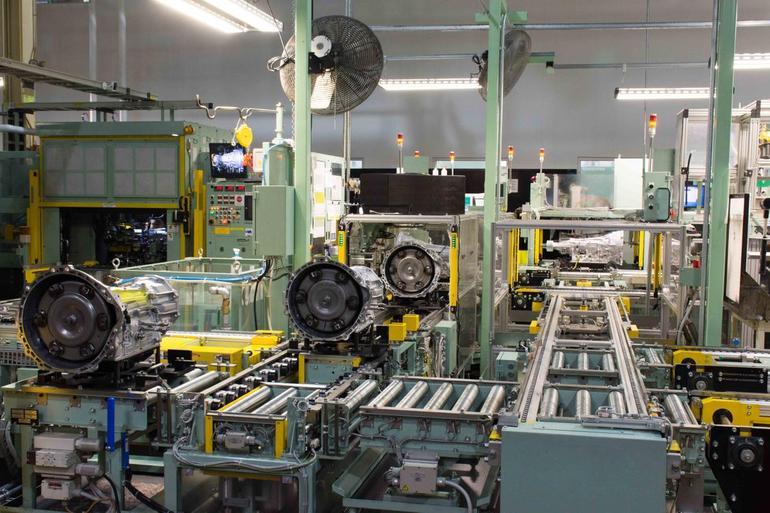
Take down: Hackers looking to shut down factories for pay
The malware entered the North Carolina transmission plant's computer network via email last August, just as the criminals wanted, spreading like a virus and threatening to lock up the production line until the company paid a ransom.

Find a Manufacturing Day event near you
Manufacturing Day is a celebration of modern manufacturing meant to inspire the next generation of manufacturers. Manufacturing Day occurs on the first Friday in October — this year Manufacturing Day is Oct 6, 2017.


