

Resources
Machining References
Featured Picks
Featured Authors
Browse
Browse all resources
Browse results

Toolholding tips
Experience is the best teacher.
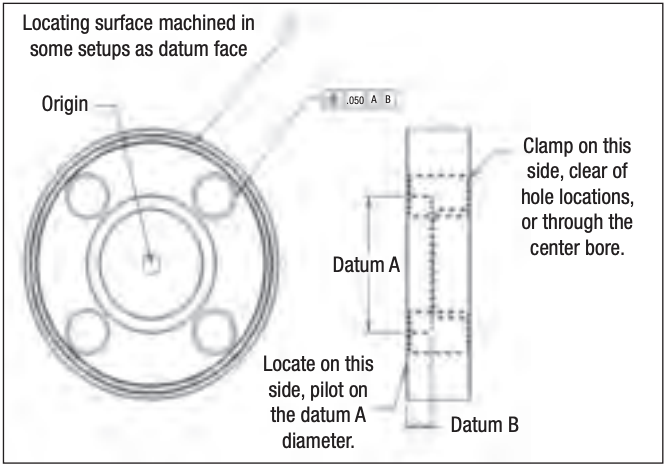
Defining workholding setups: Drilling Performance
Workholding involves much more than slapping a part in a vise or chuck and pushing the cycle-start button, according to the Workholding column in the April 2012 issue of Cutting Tool Engineering magazine.

Tips for a manual milling machine
In my October column, I explained how the design of manual milling machines could be improved. This month, I share some tips for enhancing the operation of a manual mill.
Getting reaming right: Drilling Performance
Appropriate scenarios for applying a reamer when finishing holes.
Know What You’re Tapping
Traditional tap/drill charts recommend drill diameters for each size of tapped hole. But, according to this article, these recommendations are based on the size holes that were typically produced by less-accurate tools and processes used in the past. This article suggests guidelines for producing holes that will, in turn, produce correctly sized tapped holes.
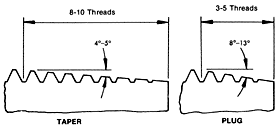
Tapping Deep Holes: Guide to Chip Evacuation and Tool Life
Deep-hole tapping raises chip evacuation, lubrication, and torque risk. This guide covers practical depth limits, tap selection, and process controls for deeper threaded holes.
Thread milling, simplified
Thread milling may seem exotic, but any shop can do it.

Threading on the manual lathe
Shop Operations columnist Tom Lipton shares a few tricks for cutting threads on a manual lathe.
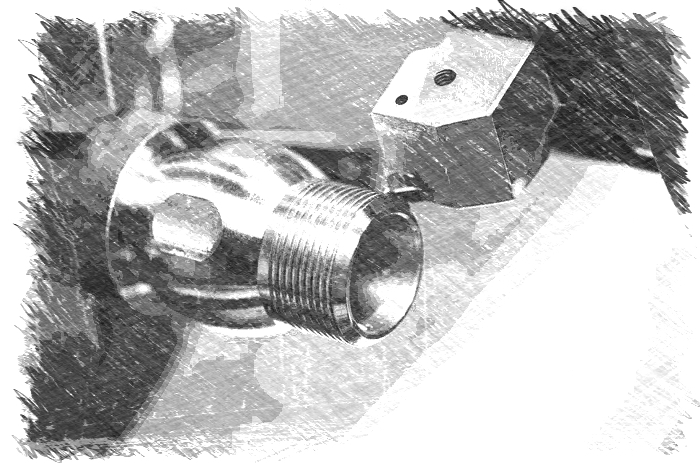
Single-point thread programming can be fun and easy
Before CNC lathes, single-point threading was a pain in the neck. Fast reflexes were needed to engage an engine lathe's lead-screw dial at precisely the right time and disengage it before crashing into the shoulder. Around the time of the U.S. Bicentennial celebration, tape-operated lathes made all of this headache obsolete.
Which is better: dry or wet machining?
Throughout the sometimes-contentious world of machining, the debate rages about whether to apply flood coolant or cut dry. As in many areas of machining, the choice is not easy and requires careful and informed consideration. To further complicate the decision, minimum-quantity lubrication (MQL) can be a successful compromise that provides an efficient and effective answer to the troublesome question.
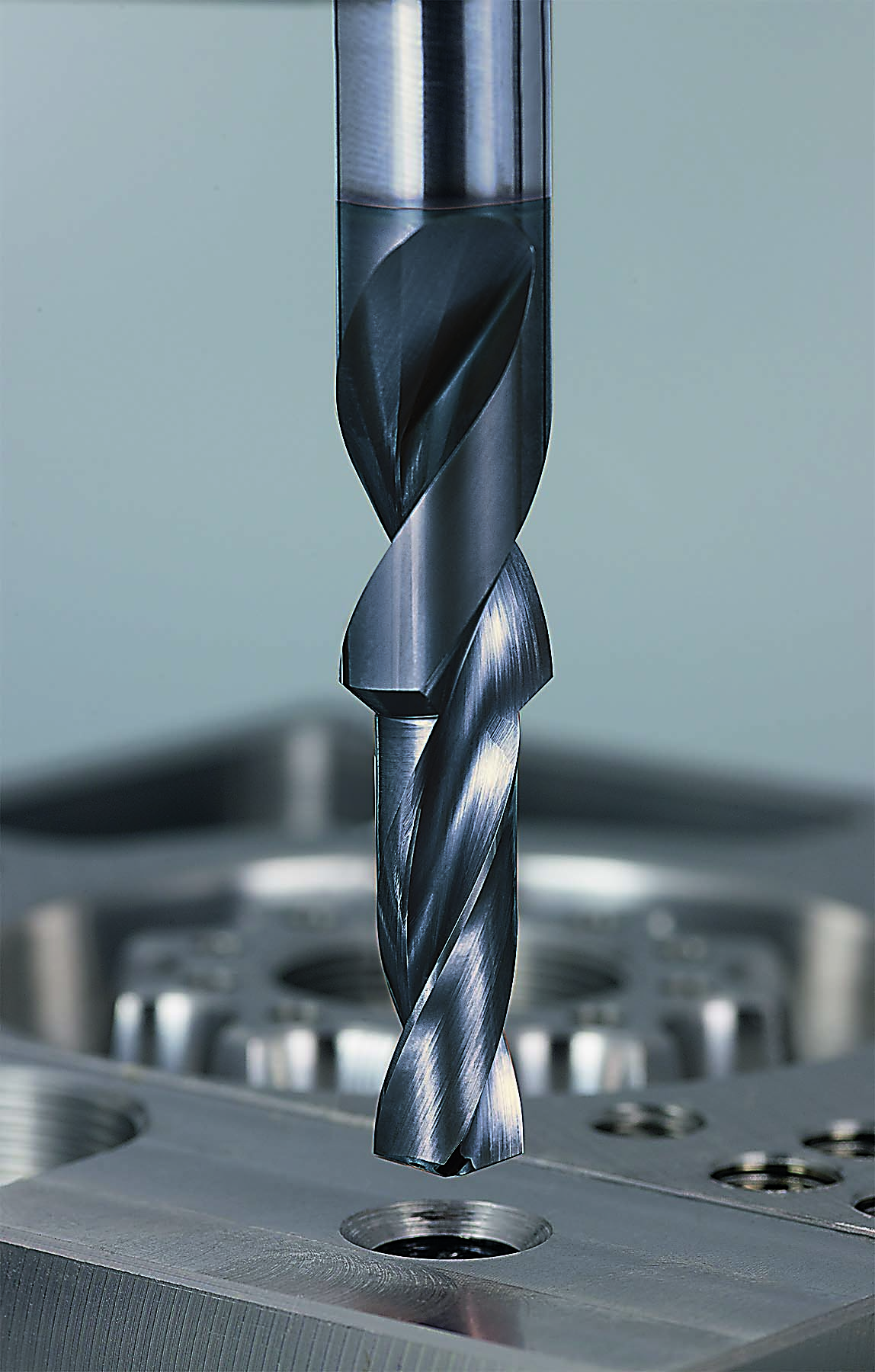
Chamfers and Countersinks That Halt Burr Formation
Chamfers and countersinks help control burr formation, improve thread starts, and protect hole quality. This guide explains where each operation fits and how tooling choices affect results.
Multiple methods are available for deburring holes
Burrs present a hazard to those who handle parts during and after the manufacturing process. The deburring method can have a major impact on cycle time, cost, quality and customer satisfaction.


