

Resources
Why Resources
Explore 121 published CTE resources related to Why across 47 articles, 19 products, 20 videos, and 35 news items.
47
Articles
19
Products
20
Videos
35
News
Articles
47 articles
Products
19 products
Videos
20 videos
News
35 news items
Tungaloy responds to rising carbide costs
BIG Daishowa Hosts Breakfast & Learn Event
ZOLLER Open House Focuses on Integrating Success
The power of density determination in additive manufacturing
5 reasons why CFexpress is the future of industrial memory cards
Tricks and techniques for specifying surface texture parameters
Browse
Browse all Why resources
Browse results
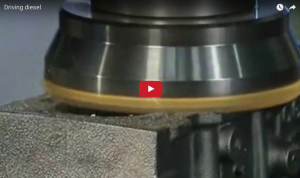
Driving diesel
Watch Sandvik Coromant Co.'s CoroMill 365 cutter mill an engine blockmade of compacted graphite iron in this online complement to our September CTE cover story.
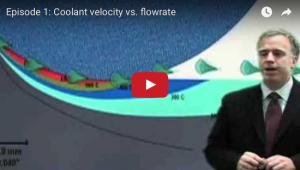
Cooling: Velocity or flowrate?
The debut episode of Cutting Tool Engineering magazine's Grinding Doc Video Series fields a question from a shop wondering about the relationship between coolant velocity versus the flowrate. Dr. Jeffrey Badger, the host of the video series, takes a look at the coolant issue.
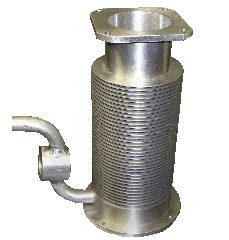
Concentric engineering: Turning Performance
In addition to handling prototype and production machining, R.E.F. Precision Products LLC, Deer Park, N.Y., provides engineering and productivity consulting services.
Tips for Sanding Titanium Parts Safely and Efficiently
Sanding titanium parts can consume major finishing time because burrs, heat, and surface requirements are hard to balance. This guide reviews practical sanding priorities for titanium work.

Training machinists the old-fashioned way
Talking Shop August 2009 column
Post-processing should not work: Design & Engineering
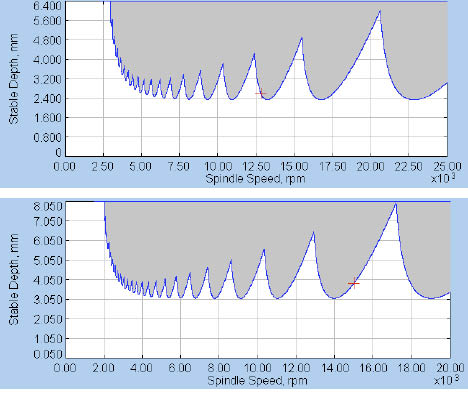
The creation of a part program for a CNC machine tool usually starts with a part drawing or model that contains the part material, geometry and tolerances.
Grinding Doc: Using the Ra eyeball technique
Dear Doc: I grind small parts with intricate geometries. I'd like to get a handle on what kind of Ra values I'm generating and if the grinding process changes I'm making are improving or worsening the surface finish. I was told to purchase a profilometer. Is this the best route to go?
Prepare for increasing business regs
As an owner or manager of a machining business, you have your hands full dealing with matters from the front office to the shop and everything in-between. Even so, nonproduction issues seem to be an increasing burden.
Spin doctors: Inspection Efficiency
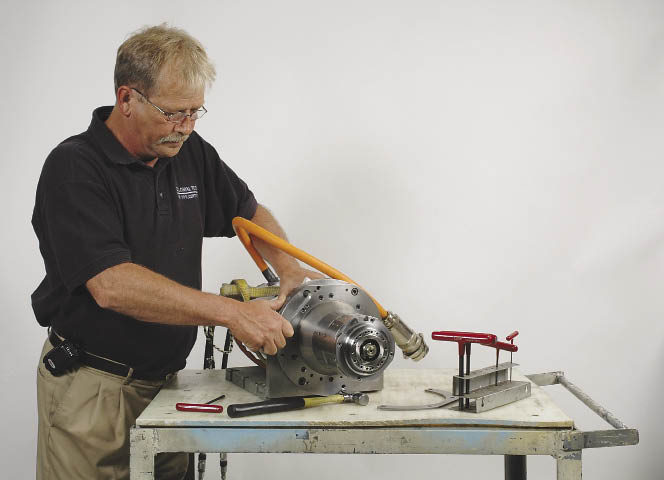
Who should perform spindle maintenance in machine shops?
Reaching the apex: Drilling Performance
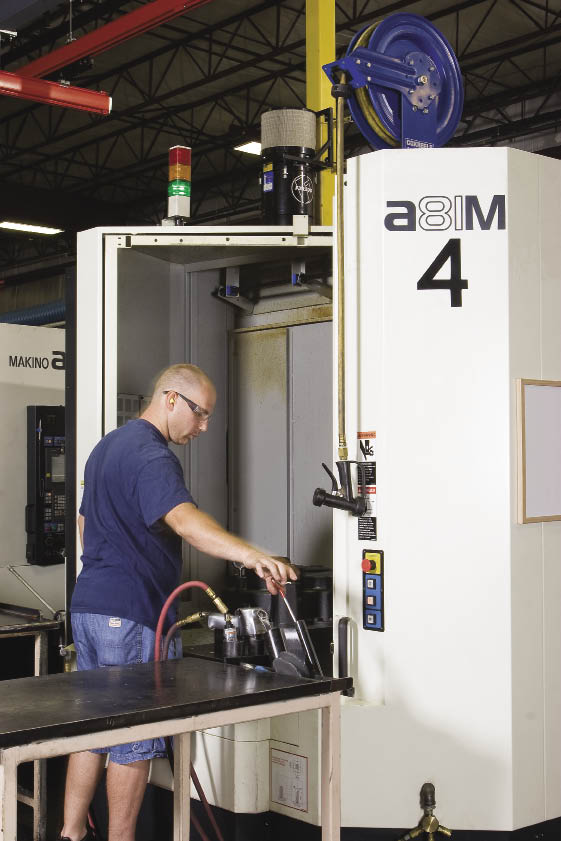
Combination tooling, custom fixtures and creative solutions help Apex Precision thrive.
Hit it again, harder
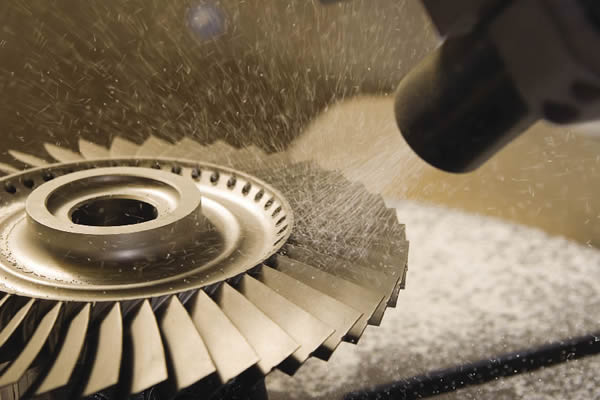
When finishing parts, shops may want to hit them with their best shot. Shot peening can produce longer part life.
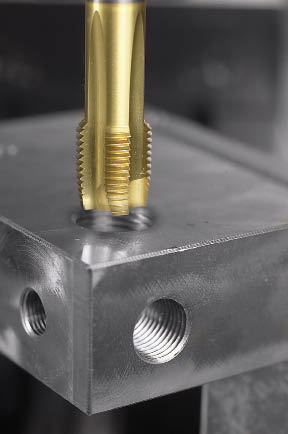
High anxiety: Drilling Performance
Understanding tool geometry and selecting the right tap for different workpiece materials can help take the anxiety out of tapping operations.


