

Resources
Why Resources
Explore 121 published CTE resources related to Why across 47 articles, 19 products, 20 videos, and 35 news items.
47
Articles
19
Products
20
Videos
35
News
Articles
47 articles
Products
19 products
Videos
20 videos
News
35 news items
Tungaloy responds to rising carbide costs
BIG Daishowa Hosts Breakfast & Learn Event
ZOLLER Open House Focuses on Integrating Success
The power of density determination in additive manufacturing
5 reasons why CFexpress is the future of industrial memory cards
Tricks and techniques for specifying surface texture parameters
Browse
Browse all Why resources
Browse results
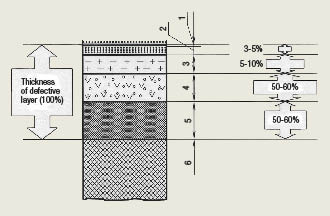
Tools With Abrasive Personalities
Machining polymetric composite materials with single-layer diamond abrasive tools.
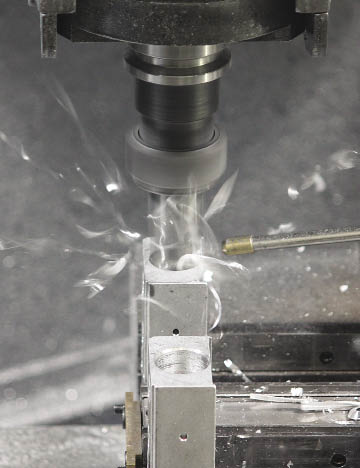
MQL: Lean and Green: Drilling Performance
The benefits of minimumquantitylubrication, which is suitable for many types of machine tools, are numerous.

Hole in Three: Drilling Performance
Ballizing, lapping with wire and brushing are three simple and economical hole finishing techniques that yield impressive results.
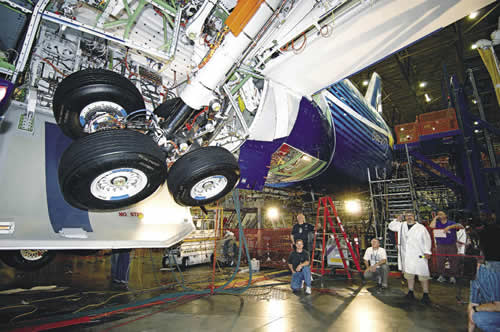
Wheels Up: 5-Axis Machining
New materials, the need for lightweight parts and the burgeoning size of some aircraft challenge manufacturers of landing gear components.

Landing Gear
Not all landing gear tests require facilities the size of small towns or the ability to land the 787 Dreamliner, which is discussed in the March 2009 cover story of Cutting Tool Engineering magazine.
Finish milling titanium
February 2009 Shop Operations column

Small shop wins big award
February 2009 Talking Shop column
Machining problems? Try universities
February 2009 Machine Technology column
Speed and accuracy island: Trade Shows & Events
February 2009 Part Time column
Extending CBN wheel life: General Industry Coverage
February 2009 Ask the Grinding Doc column
Credit: Extend or not to extend?
February 2009 Manager's Desk column

Tool Story
One of the largest cutting tool companies in the world began as a kitchen-table operation in a remote part of Israel.


