

Resources
Why Resources
Explore 121 published CTE resources related to Why across 47 articles, 19 products, 20 videos, and 35 news items.
47
Articles
19
Products
20
Videos
35
News
Articles
47 articles
Products
19 products
Videos
20 videos
News
35 news items
Tungaloy responds to rising carbide costs
BIG Daishowa Hosts Breakfast & Learn Event
ZOLLER Open House Focuses on Integrating Success
The power of density determination in additive manufacturing
5 reasons why CFexpress is the future of industrial memory cards
Tricks and techniques for specifying surface texture parameters
Browse
Browse all Why resources
Browse results
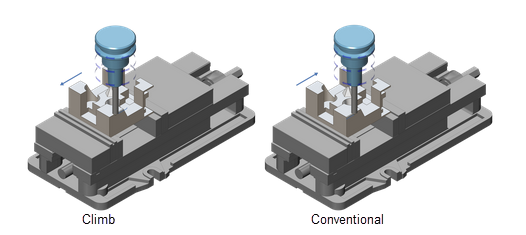
ModuleWorks 2023.04 Software
Users can choose between the climb or conventional cutting methods and define the contact point between the tool and the workpiece, e.g. in the middle of the flute. This is relevant for non-ball cutters like chamfer mills where careful control over the cutting conditions creates chamfered edges with a high quality finish.
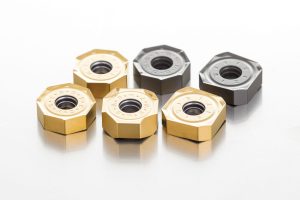
ONMX Inserts
The latest Pramet range includes three variants of a 16-edged ONMX insert for depths of cut up to 0.157" (4mm). The standard geometries include the F for light operations, M for versatile use, and R for rough cuts in a variety of materials.
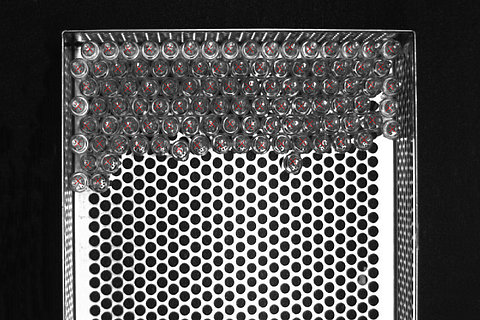
HALCON Version 23.05
With HALCON 23.05, it is now possible to further optimize the underlying deep learning networks, which are already pre-trained on industry-related images, for the user's own application. This allows even more robust recognition rates for Deep OCR applications as well as an even more reliable detection of suitable gripping surfaces for applications using 3D Gripping Point Detection technology.
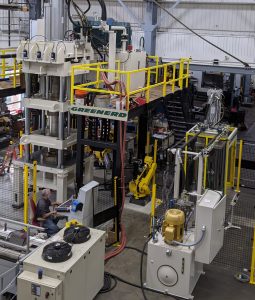
Two-Press Production Cell
The two-press production cell uses a centralized control station which sets the operating parameters of both presses and controls the action sequences of both FANUC robots.
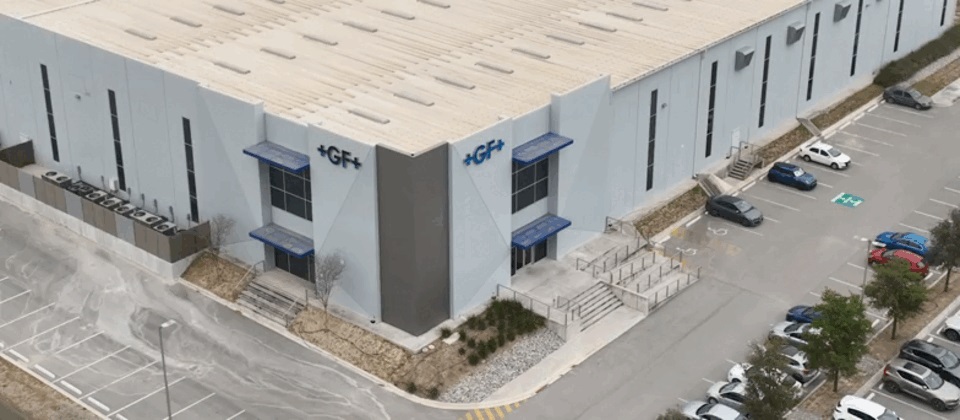
GF divisions schedule grand opening of facility in Mexico
GF Machining Solutions and GF Piping Systems broke ground on their Apodaca, Mexico, joint headquarters late in 2019. Construction of the 75,000-square-foot facility is now complete, and company leaders are hosting a grand opening celebration May 3.
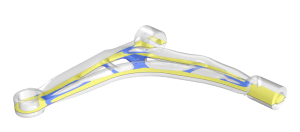
Toolpaths for Powder-Bed-Fusion (PBF)
Integrated into the Rafinex solution, the ModuleWorks software generates highly automated, collision-free toolpaths for PBF. The workflow enables users to quickly program resilient, high-performance parts for production where expert knowledge of the manufacturing process is not required. The pre-defined parameters assist engineers in optimising the workpiece geometry for the PBF process to generate a toolpath and NC code that automatically minimises material waste.
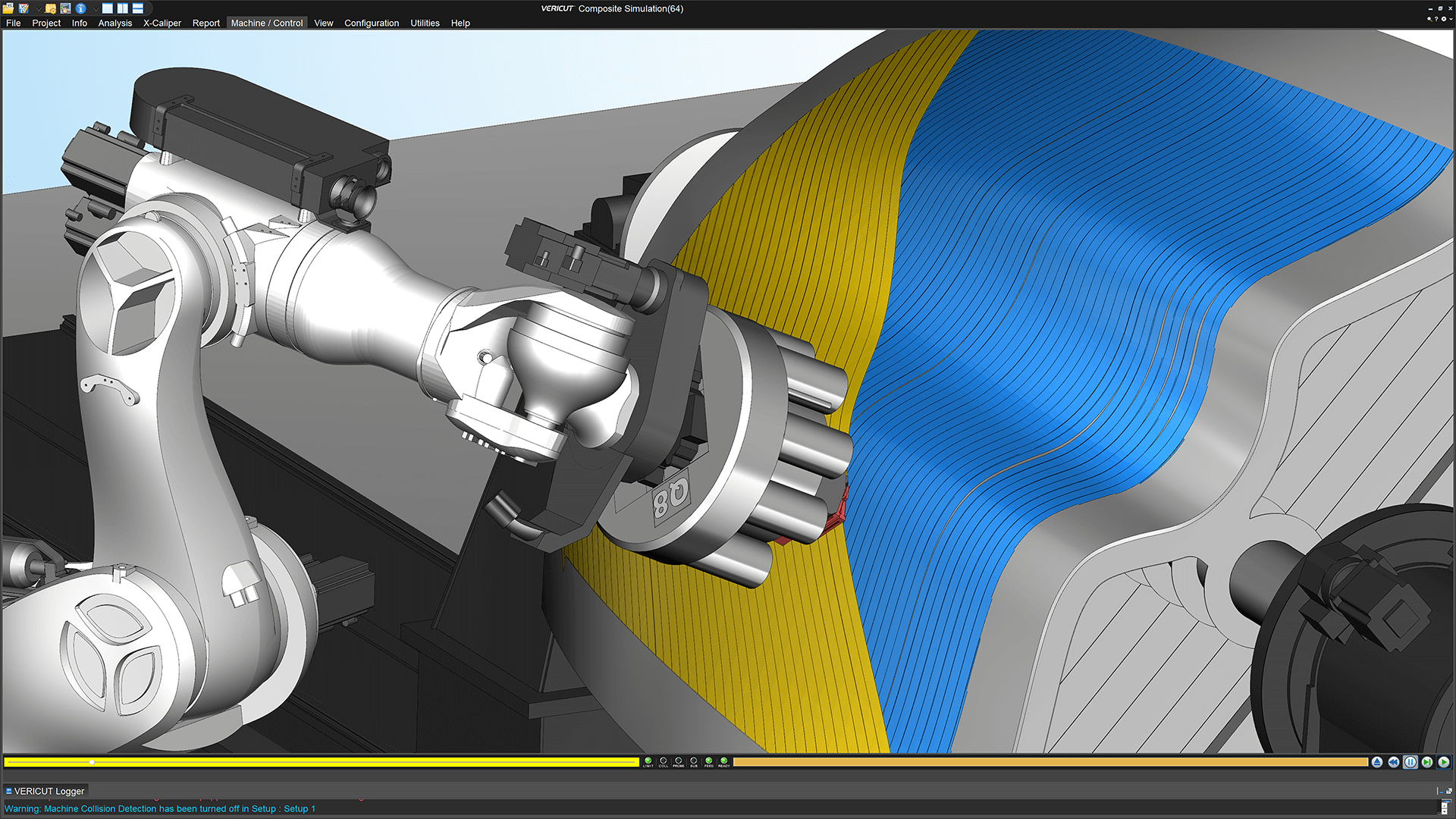
Composites manufacturing with advanced programming strategies
Advanced programming strategies and simulation can lead to the production of better composite parts, according to CGTech.
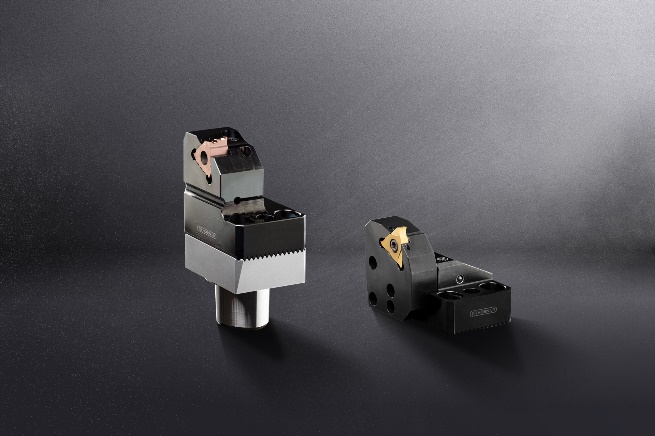
Modular Tooling System
The modular system has a selection of tool holders for turrets and other tool carrier interfaces based on common machine types. The matching grooving tool holders with integral coolant supply allow height adjustment of the cassettes and their mounting in the normal or overhead position, on the left or right of the holder.
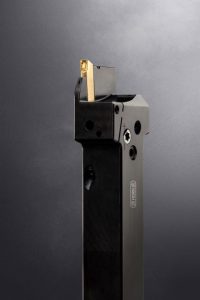
S224 Type Indexable Insert
Horn has revised the clamping of the S224 type indexable insert for use in Swiss-type lathes. In order not to have to remove the holder for indexing or changing the insert, the Horn engineers relocated the clamping screw to the side. Clamping now takes place via a camshaft.
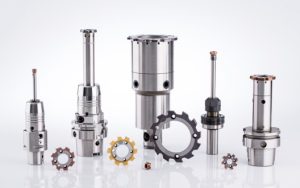
DR Reaming System
As with other tool systems, high-performance reaming systems are also subject to demanding requirements. In addition to high process reliability, long tool life and low tool costs, modern reaming tools must fulfil further criteria. These include, among other things, the modularity of the tools.
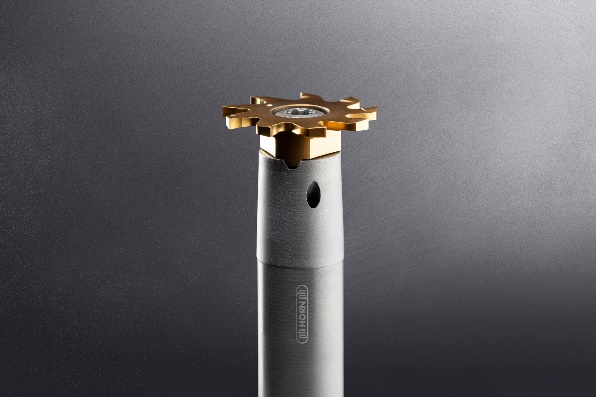
M911, M913 and M928 Nine-Edged Milling Systems
The nine-edged milling systems M911, M913 and M928 are stocked in cutting widths from 1.5 mm (0.059") to 3 mm (0.118") as standard. The maximum milling depth is 3.5 mm (0.138") (M911), 4.5 mm (0.177") (M913) and 6.5 mm (0.256") (M928).
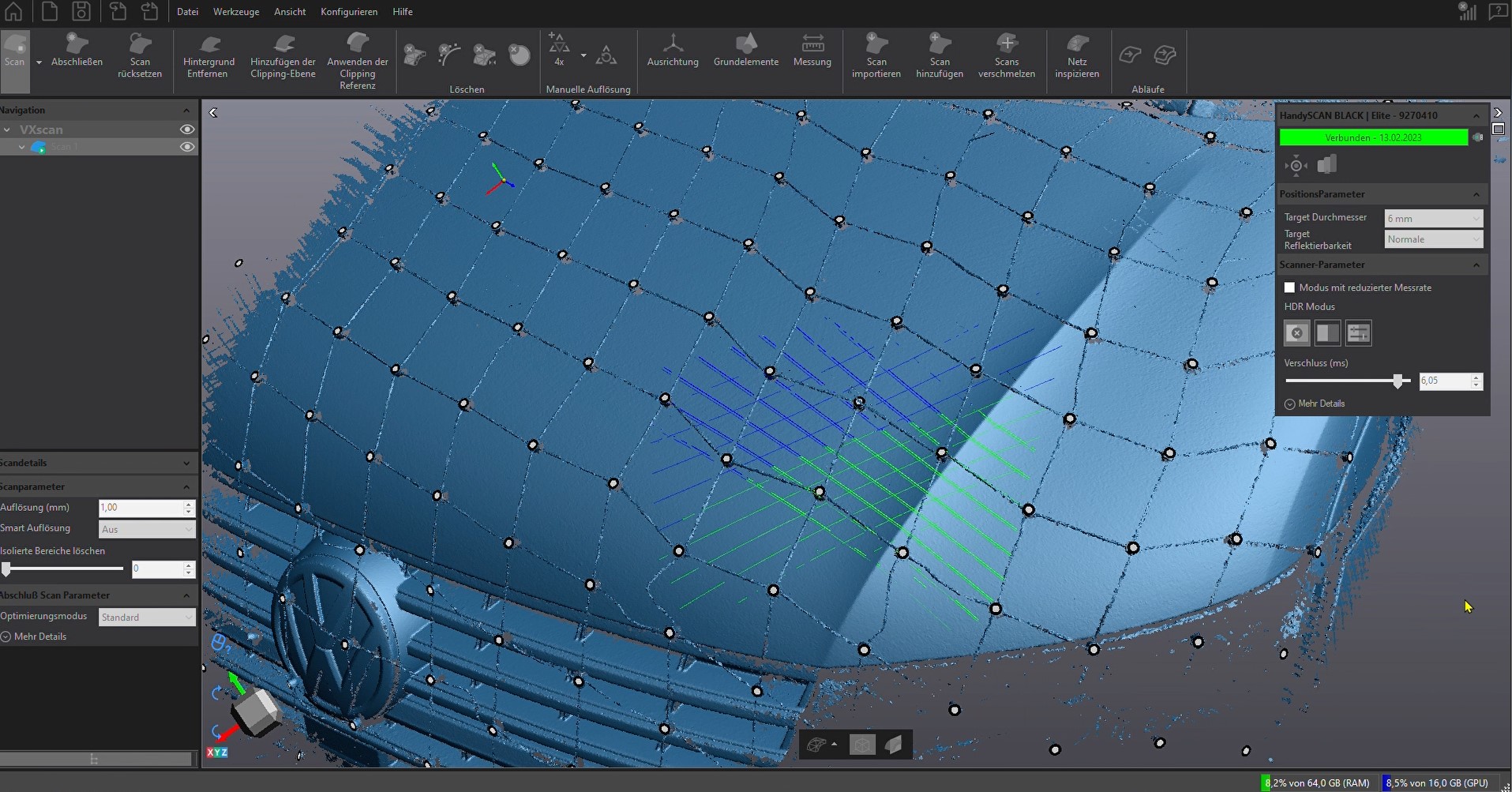
Target-Net
The measurement targets are distributed uniformly at intervals of approx. 100 millimetres across the entire Target-Net. The Target-Net itself measures 1500 x 2500 millimetres and has in total approx. 300 measurement targets. Thanks to the high measurement target density, several scans can be performed very quickly from different perspectives.