Resources
Composite Resources
Explore 81 published CTE resources related to Composite across 22 articles, 44 products, 5 videos, and 10 news items.
22
Articles
44
Products
5
Videos
10
News
Articles
22 articles
Products
44 products
Videos
5 videos
News
10 news items
Cellulose-based components mass produced with AP&T press line
CGTech announces worldwide reseller agreement
AM-produced mandrels provide new market opportunities
Composites manufacturing with advanced programming strategies
Composite material cutters offer a growing opportunity for toolmakers
The next generation of surface profilometer for in-process inspection
Browse
Browse all Composite resources
Browse results
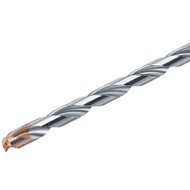
Walter solid-carbide, through-coolant drill
Walter USA LLC offers a solid-carbide, through-coolant drill for ISO-P and ISO-K materials. The design allows coolant flow to encompass the entire drill point, producing optimal cooling of both the drill and the tool/workpiece interface, according to the company. Controlling the coolant flow contributes to fine surface finishes, helping users avoid reworking holes.
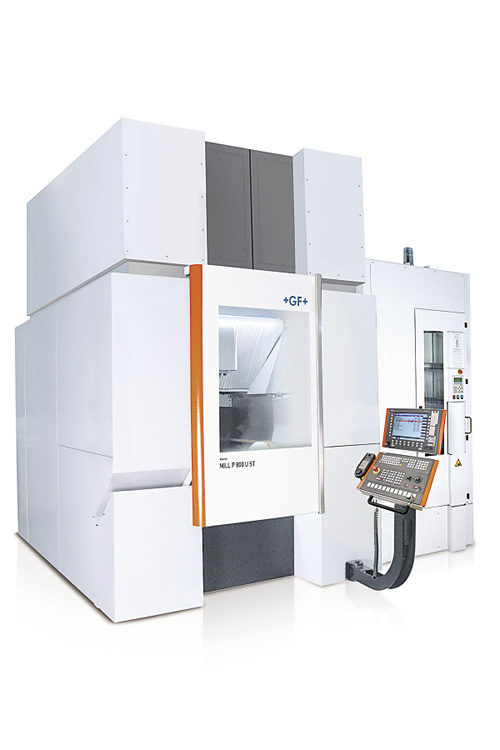
Mikron MILL P 800 U ST
The Mikron MILL P 800 U ST is the first machine tool from GF Machining Solutions LLC to combine milling and 4-axis simultaneous turning in a single clamping. The machine has a 20,000-rpm HSK T63 spindle.
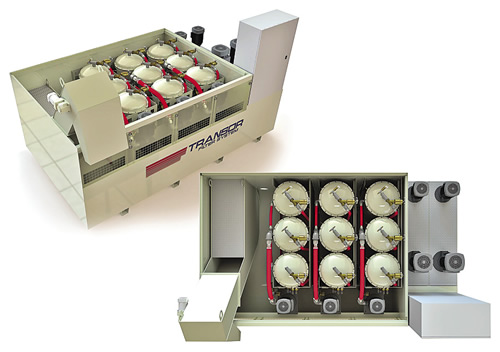
Transor central oil filtration systems
Transor Filter USA offers a line of central oil filtration systems for tool and cutter grinders. The units can be expanded by adding a filter module that consists of three filter vessels, filter pump and plumbing. Model V9 can service up to 10 grinders, and the system can incorporate three additional machines by adding a module.
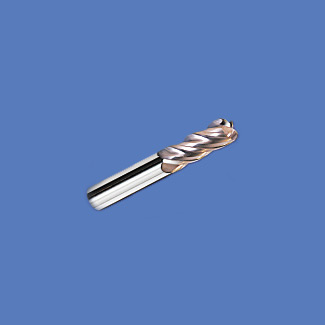
Quad Force Machining
Millstar's Quad Force Machining carbide cutting tools provide four cutting actions in one tool. The series uses advanced chipmaking technology that combines geometries for high-speed machining, trochoidal machining, plunge milling, and slide and slot milling, according to the company. The tools are suitable for cutting soft or hard tool and die steel, stainless steel and titanium.
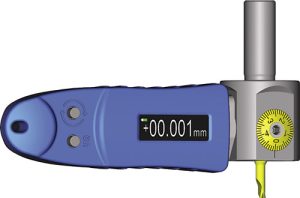
Swiss Bore Digital Finish
Swiss Tools NA Inc.'s Swiss Bore Digital Finish boring tools range from 0.3mm to 2,200mm (0.012" to 86.614") in diameter. According to the company, the digital-display unit can be used in numerous digital heads throughout a customer's plant.
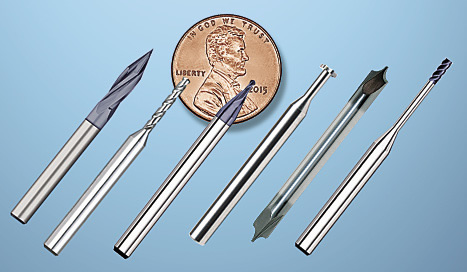
Miniature carbide endmills
Microcut Inc.'s line of miniature carbide endmills are from 0.002" to 0.125" (0.051mm to 3.175mm) in diameter and are available with long shanks and long reaches. The company offers AlTiN- and diamond-coated endmills and special rotary cutting tools, including thread mills, keyseat cutters, double-angle cutters, microdrills, spotting drills and dovetail cutters.

Ultrafine-grain graphite
Mersen USA offers ultrafine-grain graphite for sinker EDMing. The top-performing DS4, featuring the DarkStar ultrafine-carbon particle, helps users confidently handle challenging EDM operations while saving money, according to the company. The easy-to-machine and strong DS4 imparts a fine surface finish and intricate detail.
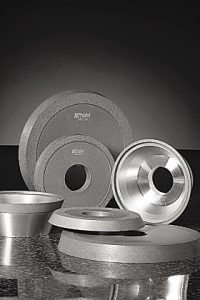
Flute-Tech diamond grinding wheels
TechMet Carbides Inc. says its Flute-Tech diamond grinding wheels have a universal hybrid bond system that performs better than polyimide bond systems at a similar price point. The diamond wheels are easy to true and dress on conventional truing equipment and are suitable for use with all spindle powers.
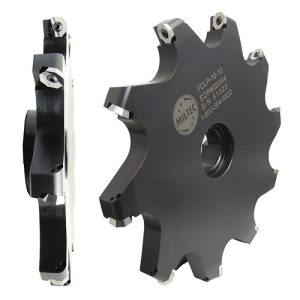
Low-Profile Freedom Cutter
Mil-Tec Inc. says its Freedom Cutter low-profile, indexable milling system offers the value and performance of the standard Freedom Cutter but has less mass and half the weight. It is ideal for single-pass finishing on 40-taper CNC machines and small milling machines. The low-profile cutter accepts all standard Freedom Cutter inserts.
EXOPRO AERO-D-REAM
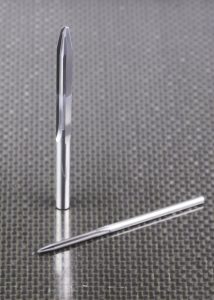
OSG USA Inc. offers the EXOPRO AERO-D-REAM drill/reamer for cutting carbon and glass-fiber composites. The tool has a tapered 4-flute design to limit peel-up at the hole entrance and an elongated, double-angle geometry to reduce thrust and limit exit delamination.
VEX-P tool
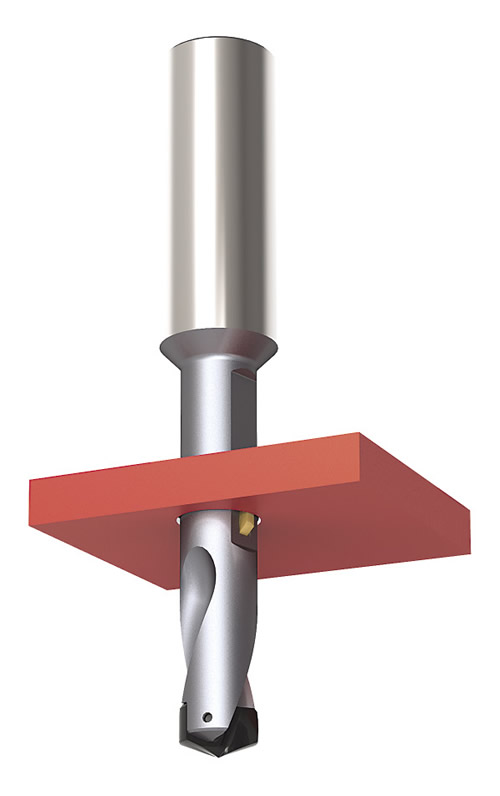
Heule Tool Corp.'s VEX-P tool combines a replaceable, solid-carbide, high-performance drill tip and the company's SNAP chamfering system to enable drilling and front and back chamfering in one operation. The cutting geometry creates short chips when machining steel, aluminum and other long-chipping materials and has a helix gullet for chip evacuation.
Beamer Laser Marking machines
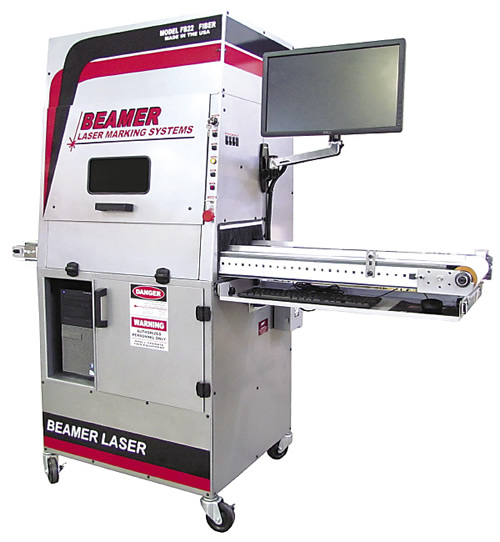
Beamer Laser Marking Systems says it builds the Beamer laser marking machines around productivity and precision. Benchtop, full-enclosure and XL models are available. The newest machines have a larger Z-axis travel, an enhanced fiber- laser power source and more user-friendly software, enabling them to replace old and inefficient parts marking technologies, according to the company.