

Resources
Why Resources
Explore 121 published CTE resources related to Why across 47 articles, 19 products, 20 videos, and 35 news items.
47
Articles
19
Products
20
Videos
35
News
Articles
47 articles
Products
19 products
Videos
20 videos
News
35 news items
Tungaloy responds to rising carbide costs
BIG Daishowa Hosts Breakfast & Learn Event
ZOLLER Open House Focuses on Integrating Success
The power of density determination in additive manufacturing
5 reasons why CFexpress is the future of industrial memory cards
Tricks and techniques for specifying surface texture parameters
Browse
Browse all Why resources
Browse results
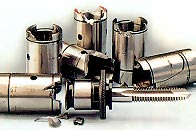
Ball-Drive Superiority: Drilling Performance
This article makes the argument that ball-drive quick-change tapholders, which transfer torque through hardened-steel balls fitted into mating detents, are more reliable than tang-drive units. The technology behind ball-drive tapholders and the design's benefits are explained.
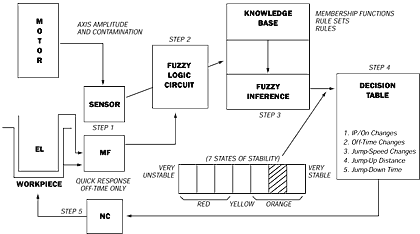
Burning Brightly: Turning Performance
The more sophisticated die-sinker EDMs on the market today possess enough intelligence to monitor cutting conditions and make necessary adjustments on the fly. This article describes the technology that drives these smart machines and the "fuzzy logic" they use to maintain an optimal spark.
Use Your CNC Wisely: Drilling Performance
CNCs have the power to dramatically increase productivity, yet many shops fail to make use of their controllers' full potential. This article suggests ways that a shop can fine tune its CNCs to create controllers that are optimized for the type of work being performed. The tips include many CNC features, capabilities and options that users often overlook.
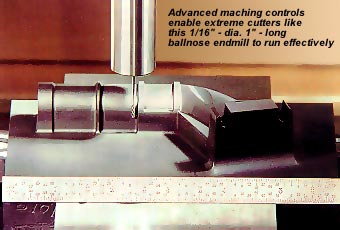
Cutting-Edge Control: Drilling Performance
Modern control technology makes extremely fast milling speeds possible. But the top speed can only be as fast as the slowest link in the chain between controller and machine. This article looks at some of the bottlenecks that can prevent a mill from running at full speed.
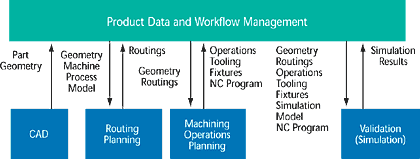
Seats of Knowledge: Turning Performance
In the lab, researchers are using artificial intelligence to turn CAD and CAM programs into systems that can think and make decisions. This article looks at several of these efforts and the capabilties of the systems that have been developed.
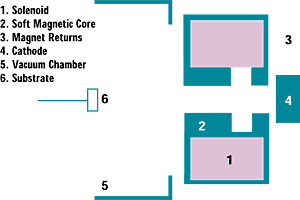
Amorphous Diamond Shapes Up: Drilling Performance
Amorphous diamond coatings can offer performance close to that of CVD diamond film at a fraction of the cost. This article describes the amorphous diamond coating process and the coating that is produced. A comparison to CVD diamond coatings is also presented.
Behind the Carbide Curtain
Many end users would like to see carbide tool standards that would ensure consistent quality in tools from shipment to shipment or between manufacturers. Today's C and ISO designations do not provide this assurance, according to this article.
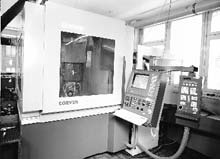
Unattended Tool Grinding
A CNC tool grinder connected to an automated loading unit can be programmed to grind tools during a shop's off hours. This article discusses the planning and preparation that are necessary to set up an unattended run.
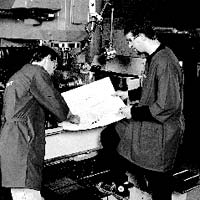
Help Wanted: Workforce Development & Training (June 1997)
This article describes the apprenticeship program and other activities that toolmaker Komet of America is pursuing to bring new people into the metalworking industry as machinists. The company has met with some success working with the Tooling & Manufacturing Association and a local high school.
CBN Wheels in Peak Condition
CBN grinding wheels offer the promise of higher productivity and longer wheel life, but they must be carefully maintained with dressing routines that differ from routines for standard wheels. This article details the techniques and tools needed to perform CBN wheel dressing effectively and economically.
Consider the Source: Drilling Performance
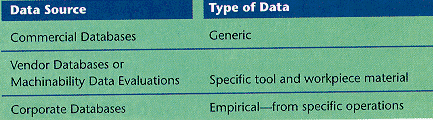
This article discusses the various sources of machining information available, and the body of knowledge on which each type of source bases its recommendations. Emerging sources that make use of such innovative media as the Internet also are discussed.

Shrink-Fit Toolholding
A toolholder that uses metal's natural thermal expansion and contraction to hold tools does not suffer from many of the drawbacks of other toolholding mechanisms, according to this article. In addition to outlining the benefits of this "shrink-fit" toolholding system, the article also explains the technology and describes how shops have benefited from it.


