

Resources
Why Resources
Explore 121 published CTE resources related to Why across 47 articles, 19 products, 20 videos, and 35 news items.
47
Articles
19
Products
20
Videos
35
News
Articles
47 articles
Products
19 products
Videos
20 videos
News
35 news items
Tungaloy responds to rising carbide costs
BIG Daishowa Hosts Breakfast & Learn Event
ZOLLER Open House Focuses on Integrating Success
The power of density determination in additive manufacturing
5 reasons why CFexpress is the future of industrial memory cards
Tricks and techniques for specifying surface texture parameters
Browse
Browse all Why resources
Browse results
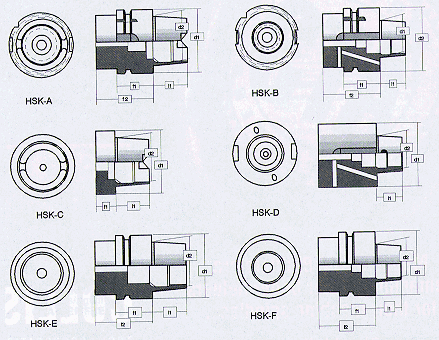
HSK Leads the Way: Drilling Performance
HSK toolholders were designed with high-speed machining in mind. This article explains the features of the toolholder that make it perform well in modern machining centers at high spindle rpm. It also discusses the toolholder's handling and maintenance requirements.
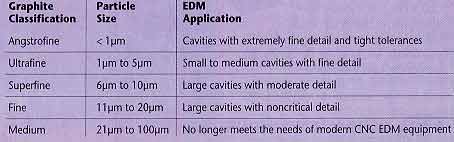
Grading Graphite: General Industry Coverage
This report details the results of a test of graphite electrodes. The test compared the performance and machinability of three graphite grades, ranging from an inexpensive coarse grade to a relatively costly ultrafine grade.
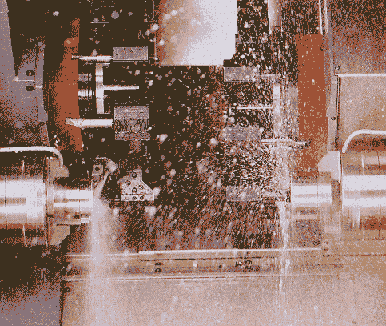
2 Spindles Are Better Than 1
Dual-spindle turning centers allow shops to combine several processes into one setup. This article describes a typical dual-spindle turning center's configuration and capabilities. A common scenario is given showing how such a machine might be used to reduce cycle times.

Will Work for Sales: Turning Performance
Machine tool builders and distributors are trying to distinguish themselves by selling customers complete turnkey packages that are ready to make good parts from the day they are installed. This article discribes the services being offered and the process that puts a turnkey system on a shop's floor.

Grinding Your Teeth
CNC bandsaws are designed to run for long periods unattended. This is only possible if the blades used are reliable and long lasting. According to this article, bimetal blades with ground teeth fit the bill. The article describes how these blades are made and what makes them different from conventional blades with milled teeth.
Turning Stainless Made Painless
Stainless steel is one of the more difficult materials to cut. This article discusses the problems that can occur when turning various types of stainless steels, the reasons for these problems and ways to avoid them. Advice is given on diagnosing problems based on tool-wear patterns. The article also suggests ways to correct problems once they are discovered.
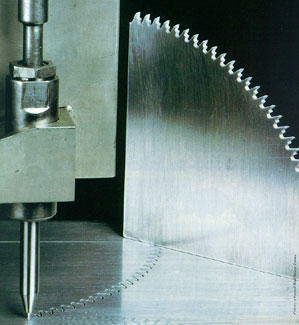
AWJ Options: 5-Axis Machining
There are many good reasons a shop might choose to purchase an abrasive waterjet machine. However, as this article explains, many factors must be considered to determine if the investment makes economic sense. The article discusses how and when a shop can adopt AWJ profitably and it explores the possibility of achieving the same results more cost effectively by subcontracting the work to an AWJ specialty house.
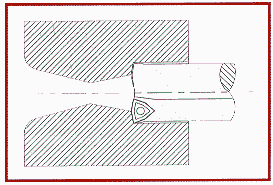
The Performance Edge: Drilling Performance
This article makes the case that a core drill is the best tool for opening existing holes. Being designed for the operation, the two-flute indexable drill can produce more accurate holes with less tool wear and breakage than alternatives such as boring bars, drills or endmills.
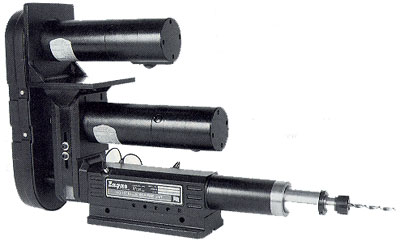
The Need for Feed Units
There are several types of feed units for drilling and tapping on the market, varying in capability and the type of drive. This article discusses the difference between units and suggests questions users should ask themselves before selecting a unit. Factors to be considered include the volume of production, cost engineering and tool requirements.
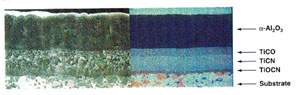
New Coatings Meet New Challenges
As the use of hard-to-machine work materials grows, the need for high-performance tool coatings increases. This article discusses developments in coatings that have increased their usability. Among the coatings discussed are medium-temperature CVD coatings and multilayer PVD coatings.
Should You Try Dry?: Drilling Performance
Cutting without metalworking fluid is looking increasingly attractive to U.S. shops hit with the high cost of fluid maintenance and disposal. This article discusses the benefits and drawbacks of dry machining and outlines the tools and equipment needed to machine successfully without the benefits of a coolant or lubricant.
The High Speed Aluminum Challenge
When shops crank up the speed, they have to be prepared for the consequences, even if they're milling "easy-to-machine" aluminum.


