

Resources
Why Resources
Explore 121 published CTE resources related to Why across 47 articles, 19 products, 20 videos, and 35 news items.
47
Articles
19
Products
20
Videos
35
News
Articles
47 articles
Products
19 products
Videos
20 videos
News
35 news items
Tungaloy responds to rising carbide costs
BIG Daishowa Hosts Breakfast & Learn Event
ZOLLER Open House Focuses on Integrating Success
The power of density determination in additive manufacturing
5 reasons why CFexpress is the future of industrial memory cards
Tricks and techniques for specifying surface texture parameters
Browse
Browse all Why resources
Browse results
Freer Thinking: Medical Manufacturing
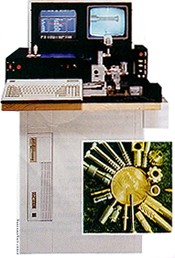
This article describes a self-contained micromachining center. The unit uses PC-based controls and a video system to machine small parts with precision, while giving the machinist a magnified view for setup and prototyping.
Putting Fluids to the Test
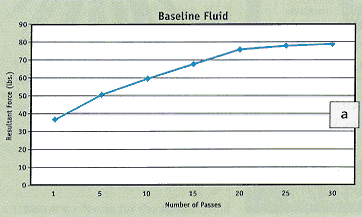
A machining research institute describes the testing method it developed to quantify and compare the performance of metalworking fluids.

Internal Decision: General Industry Coverage
Tapping and thread milling can both produce internal threads in a variety of sizes, pitches and materials.
Get it Straight
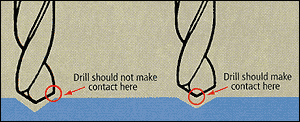
Spot drilling is a time-consuming process, but sometimes it is necessary to prevent drill walk. This article describes the reasons for spot drilling and the economic impact of adding the operation to a job. It also explains why a spot drill is a better choice for the operation than a center drill.

Supplier in Demand: CMM Inspection
This article describes how one aerospace manufacturer boosted production capacity by partnering with a supplier, which began machining parts formerly made in-house.

X-Treme Machinists: Supply Chain & Logistics
The latest generation to enter the workforce comes to the shop floor with a different set of skills and experiences than their predecessors.
Back Off: Drilling Performance
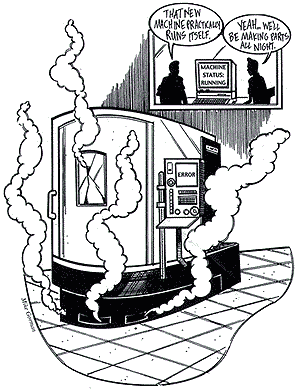
A tool design supervisor makes a case for cautious machining. This article explains how, by extending tool life, less aggressive speeds and feeds can lead to greater economy than a shortened cycle time will yield. Tips for monitoring and recording tool data are also given.
Desktop Machining
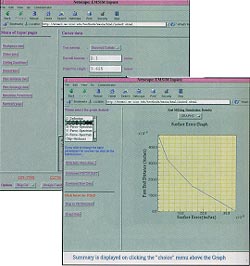
Machinists can now find machining simulators on the Web that can tell them what the results will be for a given set of conditions as well as what set of conditions will produce the results they are looking for. This article describes these simulators and the research consortium that developed them.

Hone Improvement: Inspection Efficiency
This article describes reconditioning tools through hand honing, a process that can help a tool produce 20 percent more parts. In explaining the art of hand honing, the author reviews the hone materials and honing techniques to be used.
Ready, Preset, Go
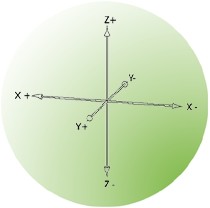
This article reviews the basics of coordinate systems and machine programming as a basis for presetting tools. The process for setting tool offsets is described with an explanation of the G-codes involved. In an accompanying article, the author tells how his company built its own presetter.
Tolerances Feel the Heat: Inspection Efficiency
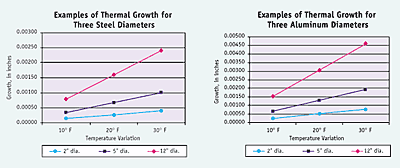
With close-tolerance machining, variances in the temperature of the part or gage can lead to out-of-tolerance work. This article describes the compensation systems that have been developed to measure temperatures and make the necessary adjustments to gage readings.
Steep Trouble: CMM Inspection
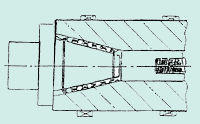
The steep-taper toolholder shank design remains popular, but it needs updating to keep pace with modern machining practices. This report suggests minor design changes that these researchers say might overcome steep tapers' limitations.


