


Resources
Why Resources
Explore 121 published CTE resources related to Why across 47 articles, 19 products, 20 videos, and 35 news items.
47
Articles
19
Products
20
Videos
35
News
Articles
47 articles
Products
19 products
Videos
20 videos
News
35 news items
Tungaloy responds to rising carbide costs
BIG Daishowa Hosts Breakfast & Learn Event
ZOLLER Open House Focuses on Integrating Success
The power of density determination in additive manufacturing
5 reasons why CFexpress is the future of industrial memory cards
Tricks and techniques for specifying surface texture parameters
Browse
Browse all Why resources
Browse results

Productive Times: 5 days to ROI
END USER: Northeast Tool & Manufacturing, (704) 882-1187, www.northeasttool.us. SOLUTION PROVIDER: MachineMetrics, (413) 341-5747, www.machinemetrics.com. CHALLENGE: Reduce the time and manual inspection required to measure productivity. SOLUTION: A machine monitoring system.

Productive Times: Getting a grip on automation
END USER: Lowercase, (212) 510-7621, www.lowercasenyc.com. SOLUTION PROVIDERS: Axis Inc., (908) 429-0090, www.axisnewjersey.com; Robotiq, (888) 762-6847, www.robotiq.com; Universal Robots USA Inc., (844) 462-6268, www.universal-robots.com. CHALLENGE: Cost-effectively integrate automation into the production of eyewear frames. SOLUTION: A collaborative robot tooled with an easy-to-use, flexible gripper.

Choosing a parts-marking method depends on the application
Until a couple of years ago, the Food and Drug Administration required a unique identifier on each distinct assembly of a medical device in human- and machine-readable forms. That rule has changed. Now, every individual component in an assembly must be marked as well.

Look Ahead: Trochoidal endmill (over)laps competition
Trochoidal milling is a relatively new cutting strategy that involves the overlapping of circular toolpaths with linear movement. It is well-suited for difficult-to-machine materials and thin-walled components.

Look Ahead: Titanic robot, tiny tolerances
An item in the Look Ahead department of the August 2017 issue of Cutting Tool Engineering magazine features large-volume, high-accuracy robots.

Low-wattage lasers: faster, gentler, eco-friendly
Low-wattage lasers are faster, gentler and more eco-friendly than traditional parts-cleaning methods. So why aren't they more prevalent?

Factors affecting proper coolant application when grinding
Grinding is a thermally dominated process, meaning a high percentage of process heat initially enters the part before coolant quenches it. Unless the coolant is applied at the correct flow rate and pressure, and the proper input conditions are selected, this process can lead to undesirable rehardening burn, thermal softening and tensile residual stresses.

Lessons learned from threading nuts, bolts for gas turbines
Spindle bolts are made from difficult-to-machine, high-strength superalloys. They have very tight dimensional tolerances, which makes thread cutting a challenge. As a result of facing several thread-cutting problems during process development, we have learned important lessons at Mitsubishi.
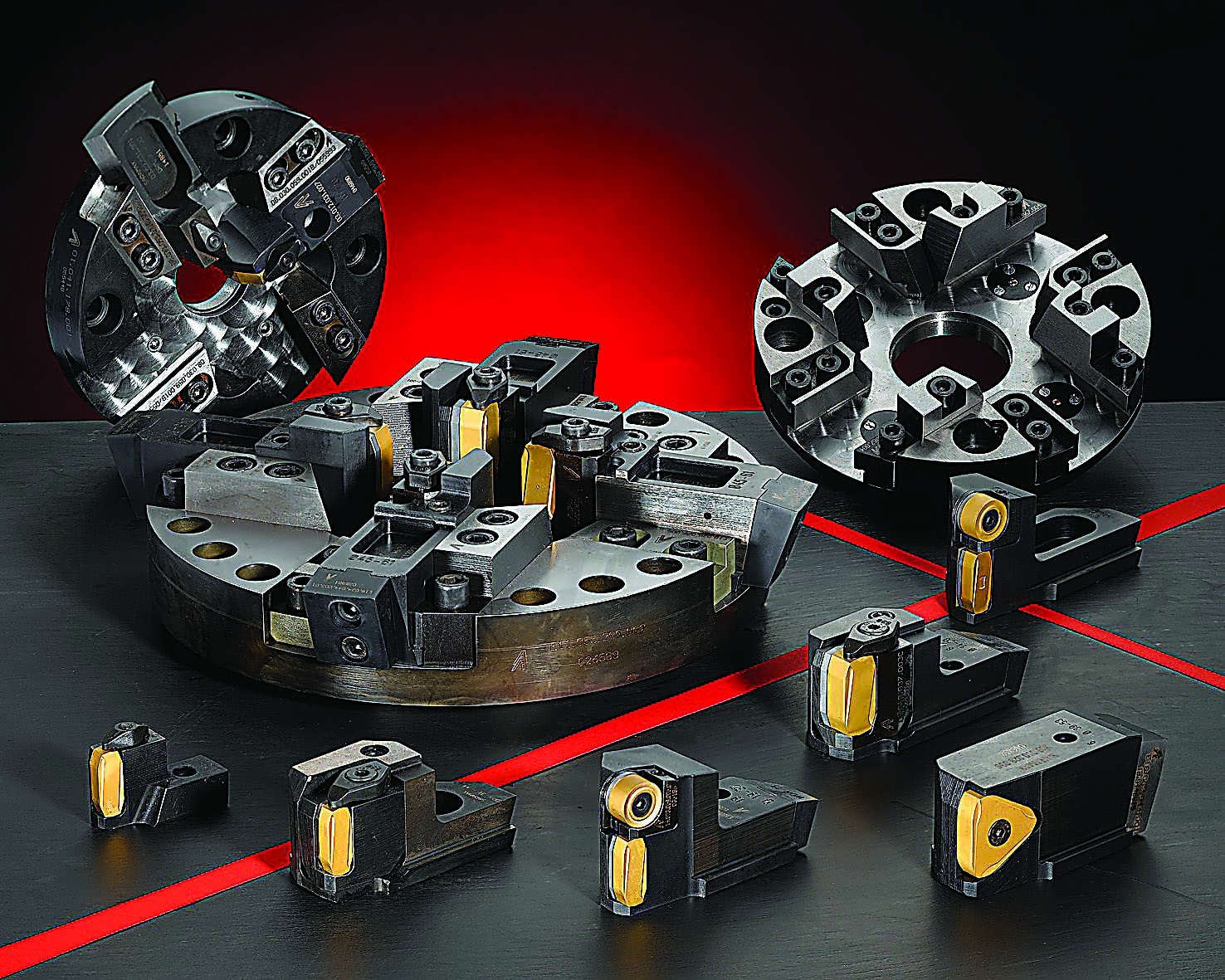
Process creates steel that’s a-peeling
If you've ever watched a bar of red-hot metal emerge from the furnace at a rolling mill, you might wonder how that scaly chunk of material became the smooth, shiny and accurate length of steel you just loaded into a lathe's bar feeder. Machinists know it as cold-finished bar stock.

CAD/CAM software for ultraprecision machining
The primary application for ultraprecision machining is optical-grade surfaces for injection molds, which are used to make contact lenses, LEDs for TVs and head-up displays in military aircraft and luxury cars.
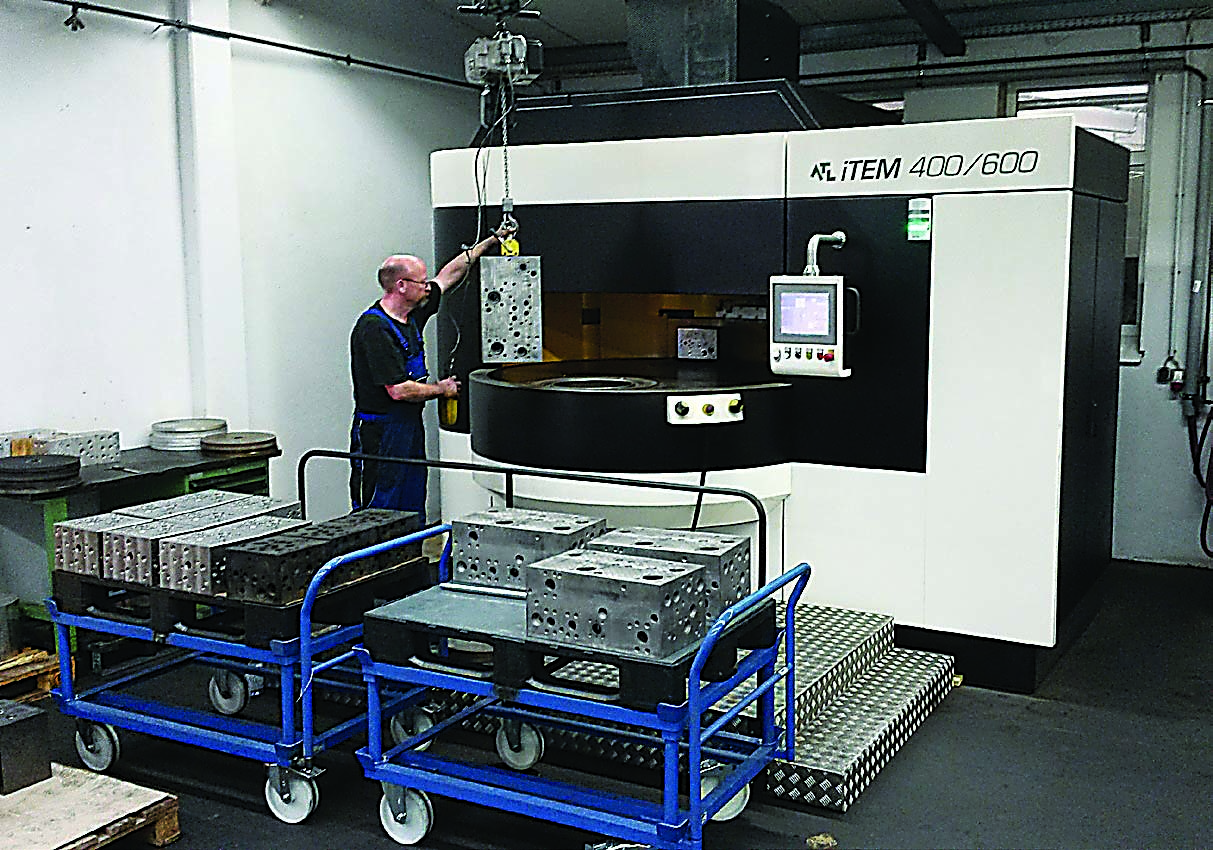
Explosive deburring ideal for complex parts
Machining manifolds generates numerous burrs, and removing them is no simple task. Basin Precision Machining attempted a variety of deburring methods, including waterjet, kinetic energy and the thermal energy method (TEM).
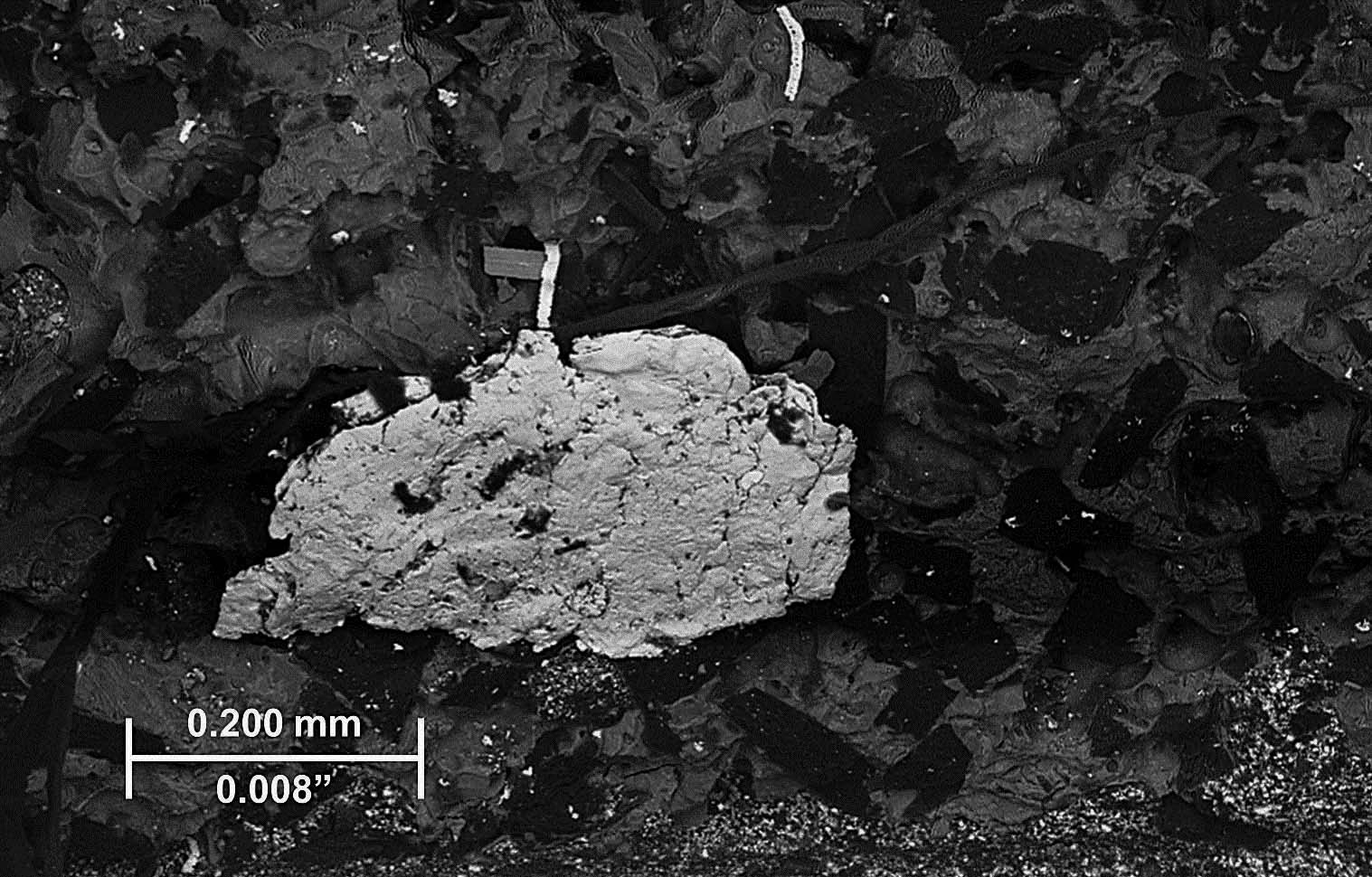
Ask the Grinding Doc: Loading the wheel
In the August 2017 issue of Cutting Tool Engineering, Ask the Grinding Doc Columnist Jeffrey Badger, Ph.D., fields questions about spotting wheel loading, white sticking for hardened steel loading, and what causes barber pole marks during cylindrical-traverse grinding.